
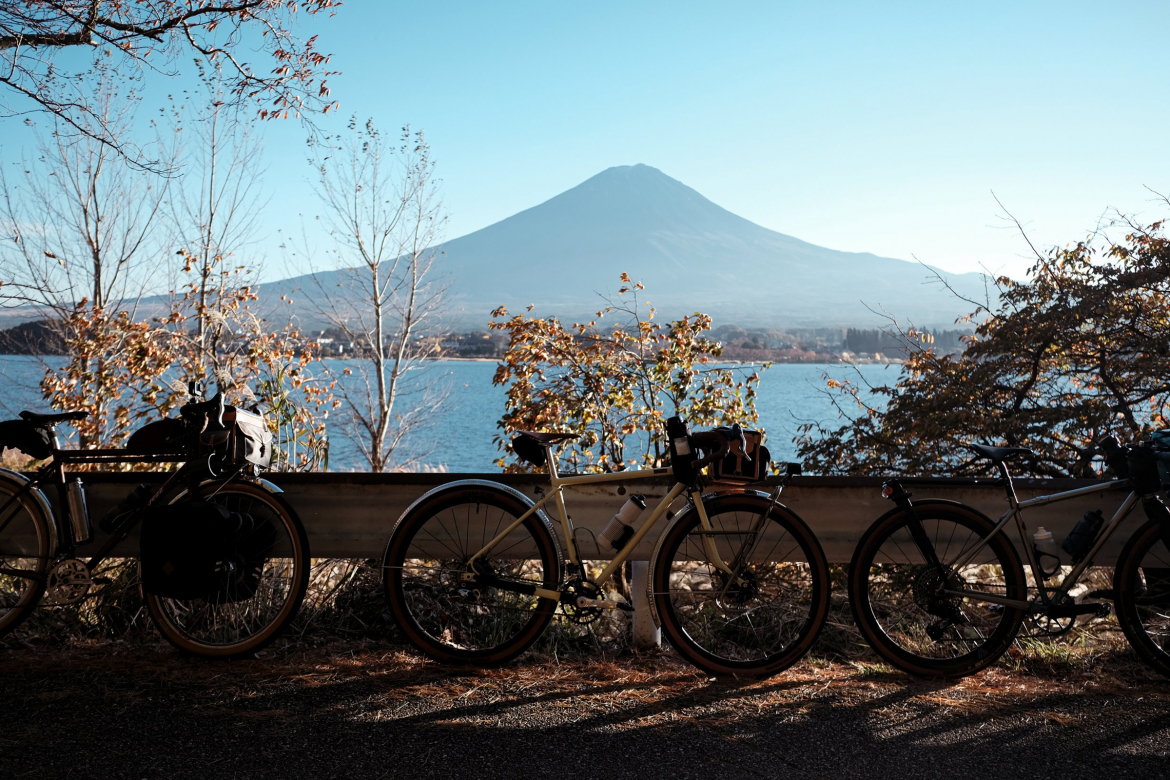
A Pass Hunting Journey across mountains, post towns and lakes from Kanazawa to Yokohama
Words and pictures by Nadiah Aziz.
Segment 1: Ishikawa and Toyama
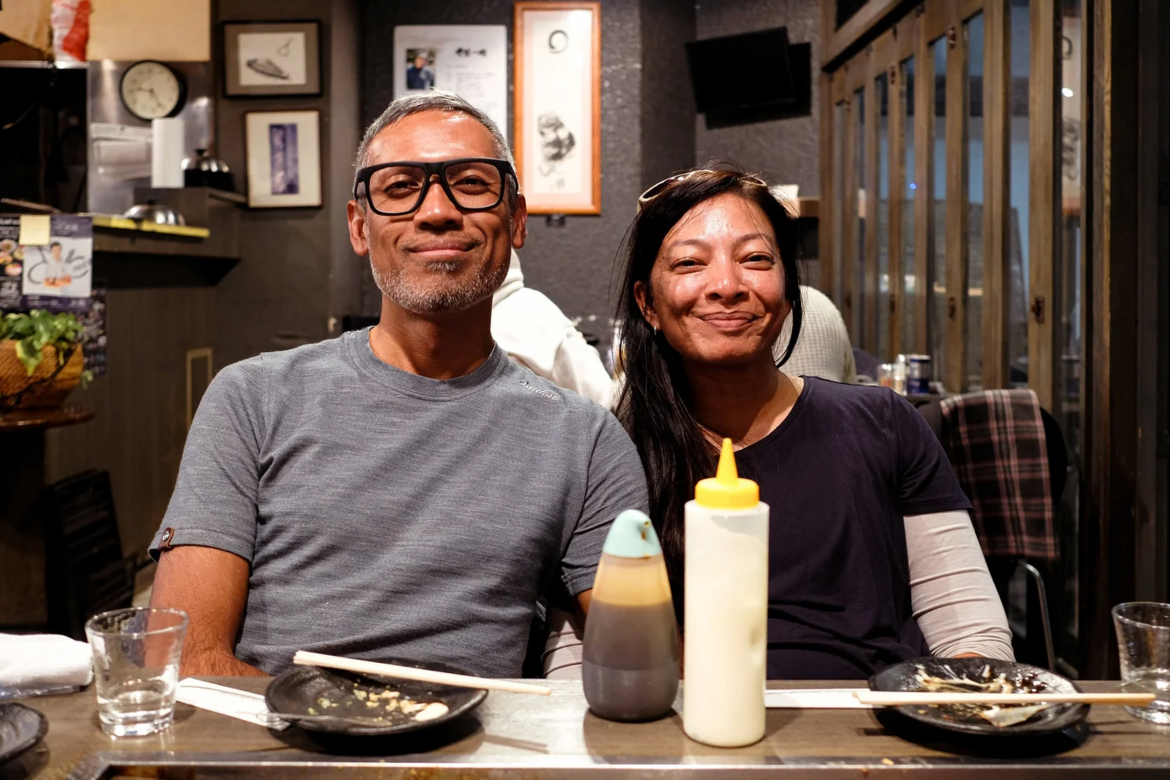
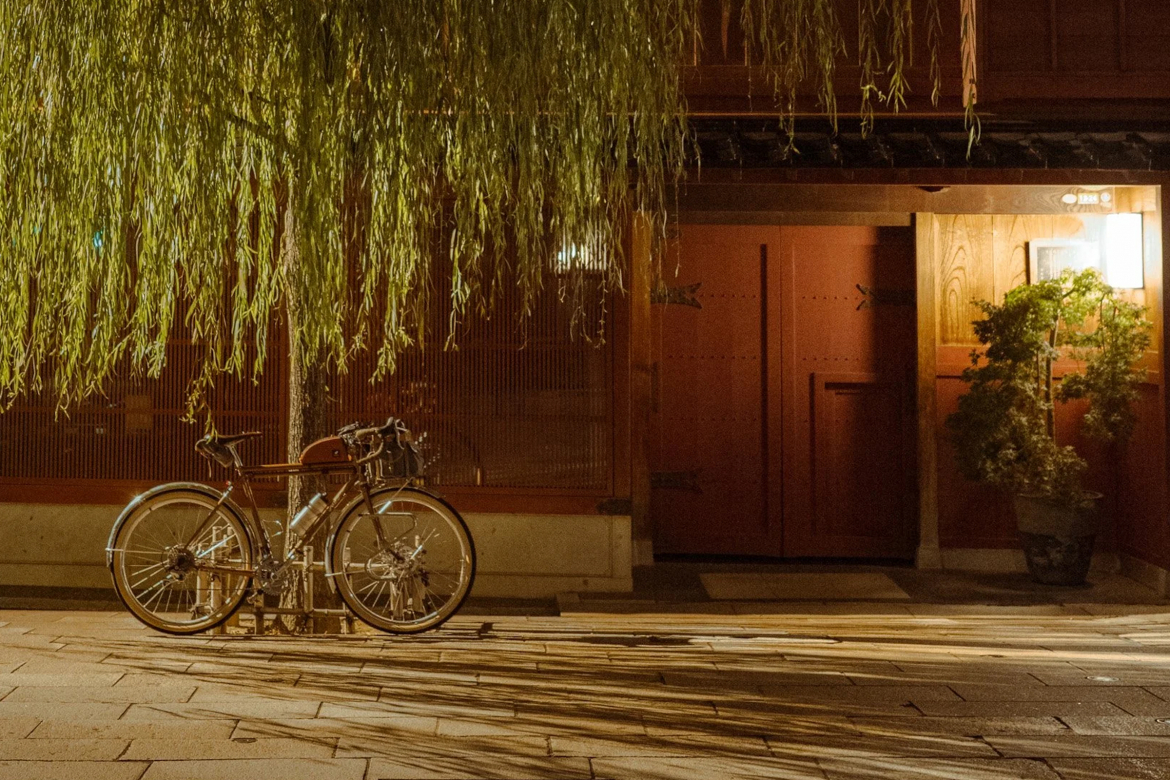
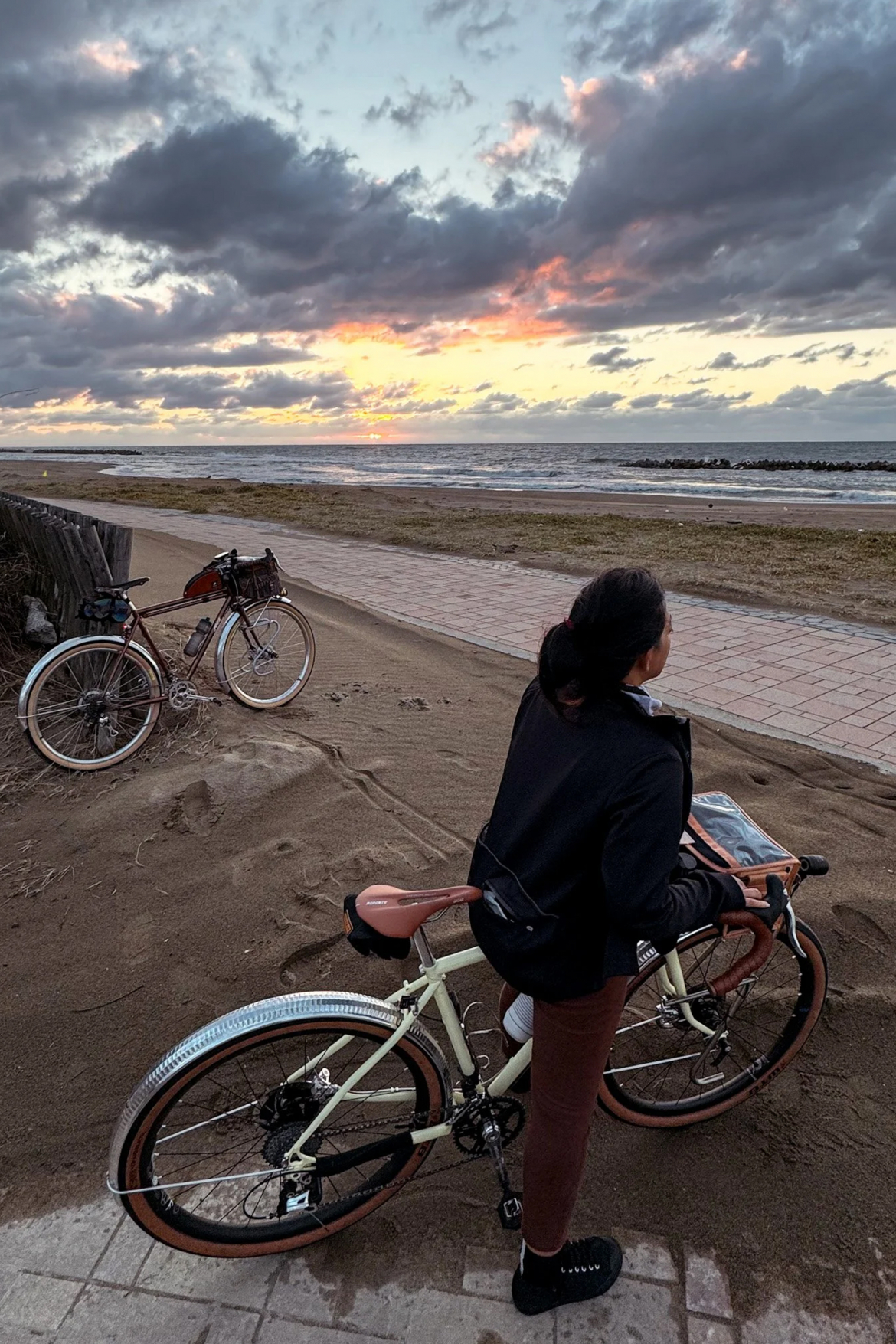
The trip began in coastal Kanazawa, a city whose history is a lived-in part of its streets. We had spent a day warming our legs up with a ride to the Sea of Japan, home to succulent, sweet and fresh seafood unlike any other. Marine life here fattens up nicely for the coming cold sea climate of winter, and autumn is the best time to savour sashimi only available in this region.
The variety of agricultural products also wildly changes with the seasons in Japan, so exploring the historic sites - Kenrokuen Garden, the samurai district, bustling Omicho Market and the Higashichaya teahouse district was squeezed in between pumpkin and chestnut desserts. By the time we rolled out of the city, we had sufficiently carbo loaded for the journey ahead more than once.
Leaving Kanazawa, the terrain softened as the roads turned quieter and rice fields flanked the path. Our legs welcomed the gentler gradients — this was the prelude, the calm before the climbs. Small villages dotted the 42-kilometer stretch to Johana, in Toyama Prefecture, and vending machines glowed outside local houses like lanterns in the night. The road twisted through valleys, steadily nudging us toward the foot of the Japanese Alps.
Nearing Johana the mountains began to rise sharply, signaling tougher climbs to come. An omakase sushi dinner was a fitting end to the night, spent in blissful slumber in a guesthouse that dated back to the Meiji period.
Segment 2: Into the Gifu Highlands
A chilly morning in Johana began with a visit to the nearby Zentokuji Temple - the oldest in the area - a visit kept deliberately brief as we remained wary of the climbs that we knew would come quickly. An okonomiyaki and yakisoba brunch added to our simple breakfast of kombini buns, as we followed the contours of the Shogawa River against a backdrop of the autumn foliage. The gradual ascent had turned into a long, steady push toward Gokayama, a UNESCO-listed region known for its villages of thatched-roof farmhouses and deep, wooded valleys.
We passed through Ainokura, the largest of the villages where most of the traditional farmhouses remain as private residences. The quietest and most remote of the villages in the region, there was unsurprisingly little traffic as we followed the river upstream. Continuing further we soon stopped at Suganuma for a teatime power up, as the light began to fade in tandem with our energy levels.
Complete darkness had fallen by the time we reached Shirakawa-go’s biggest village Ogimachi, arriving at our minshuku or inn Otaya in the nick of time for our elaborate kaiseki dinner, which had already been laid out for our late arrival. Venturing out after dinner, we felt a profound detachment from the world beyond the mountains; there was a stillness to the village that could only be felt once the last tourist bus had left and calm returned once again. A hot bath in the public onsen nearby afterwards soothed our tired muscles, warming us up nicely for bed.
The sun came out to send us off the next morning, as we enjoyed a breakfast spread of locally grown seasonal produce as equally splendid as dinner the night before. After a mid morning snack of ice cream made from the milk of local cows of the Hida Highlands, we bid farewell to the village as the tour buses began arriving for the day.
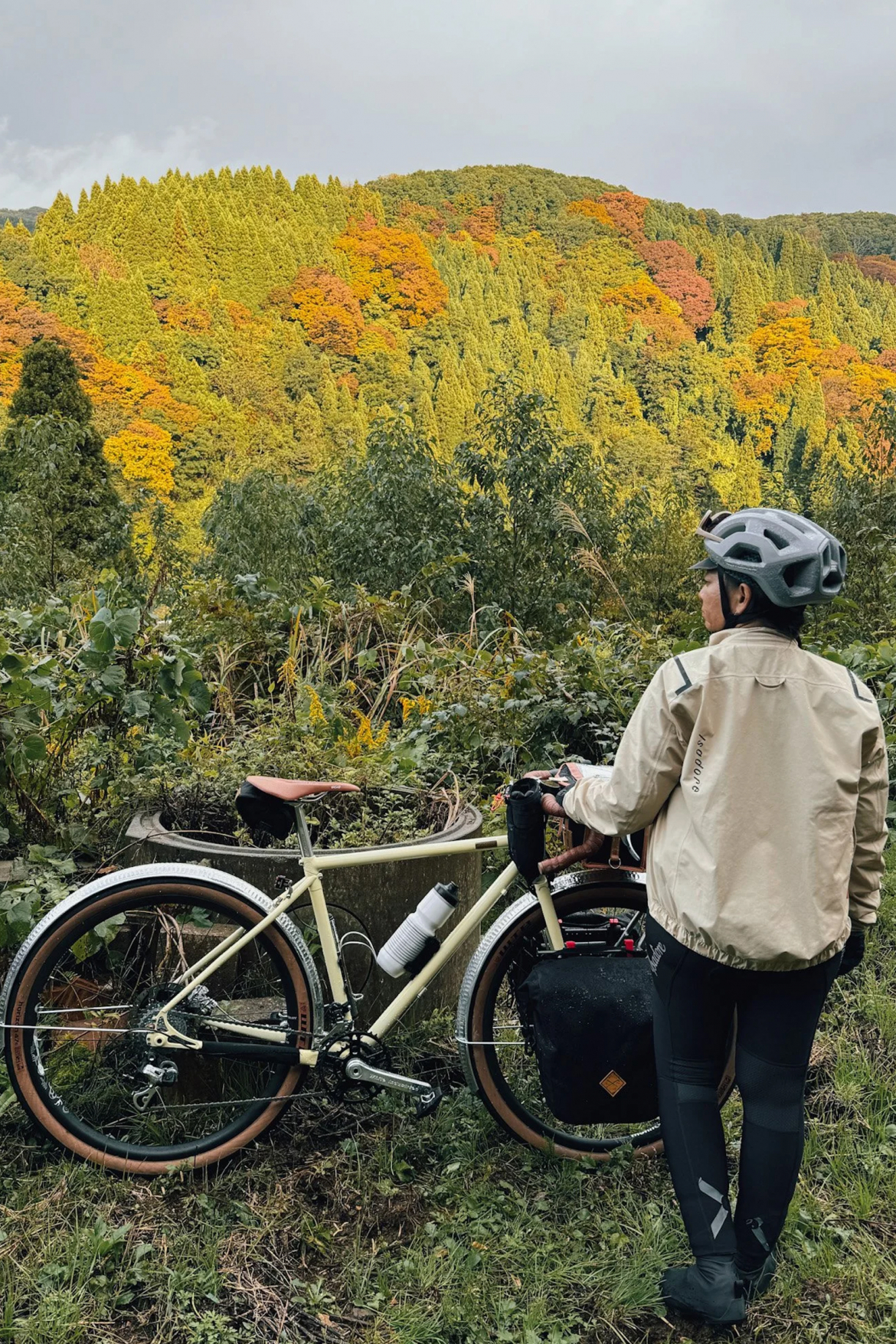
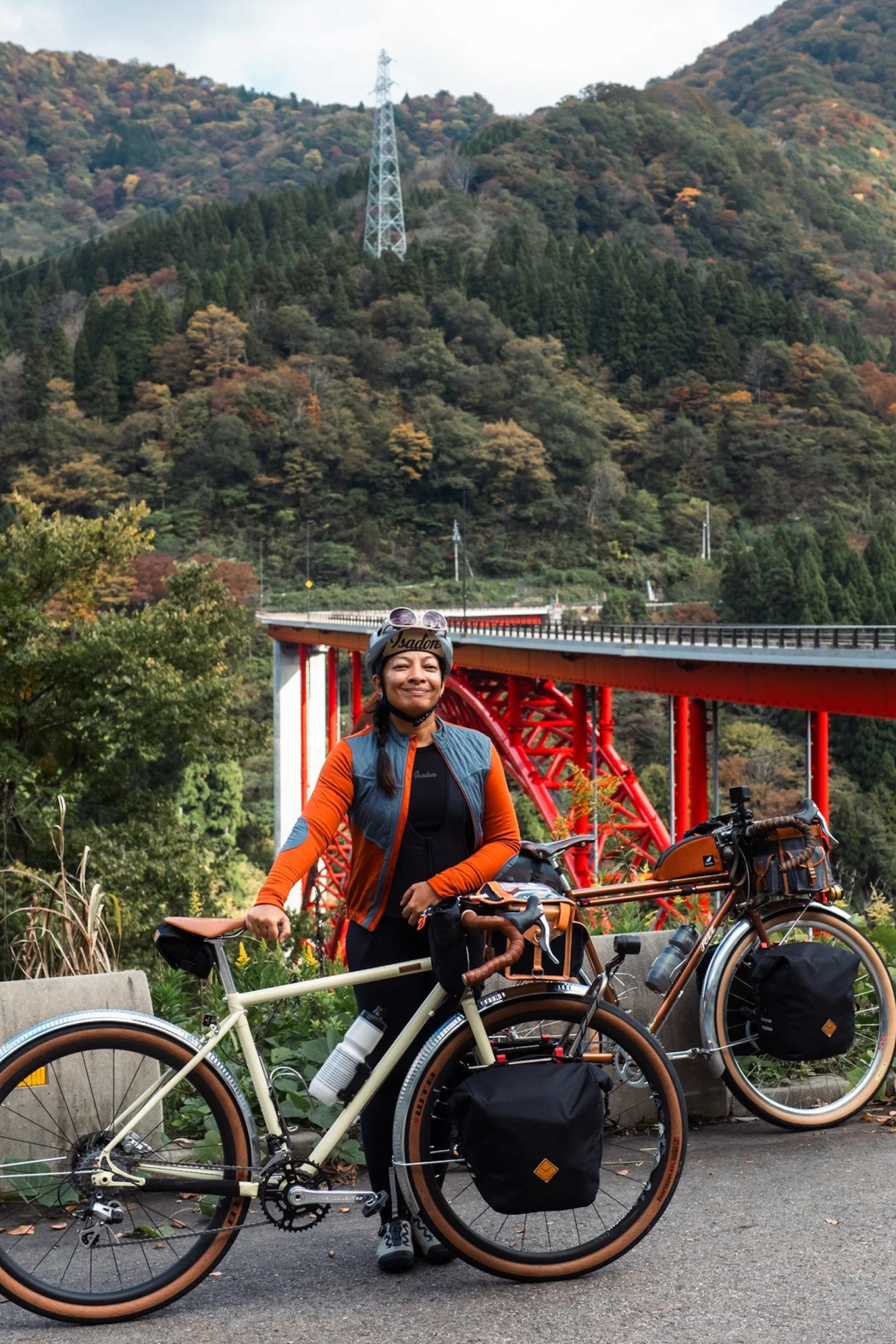
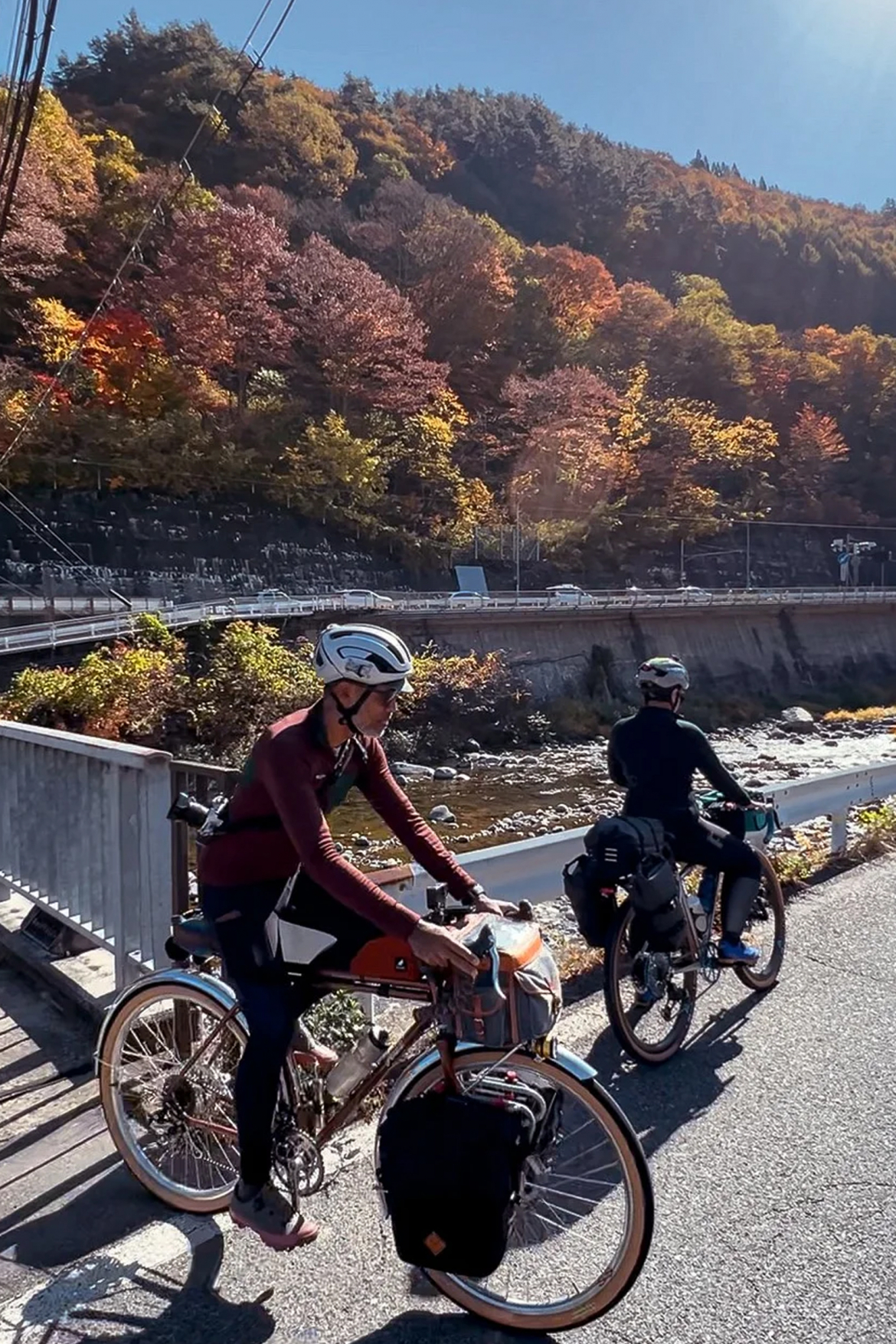
Rolling terrain greeted us as we continued south along the Sho River, crossing many bridges and enjoying the riverside views until we reached the Hida Hakusan roadside station for a lunch of Hida beef with rice. A big climb to Miboro Dam was followed by more climbing to the Sakura-no-sato Showa roadside station for some hida beef potato croquettes and some pastries, accompanied by a hot drink. By dusk the colours of the leaves gave us the first warning sign of dropping temperatures as we climbed higher, being the oranges and browns of the traditional momijigari season.
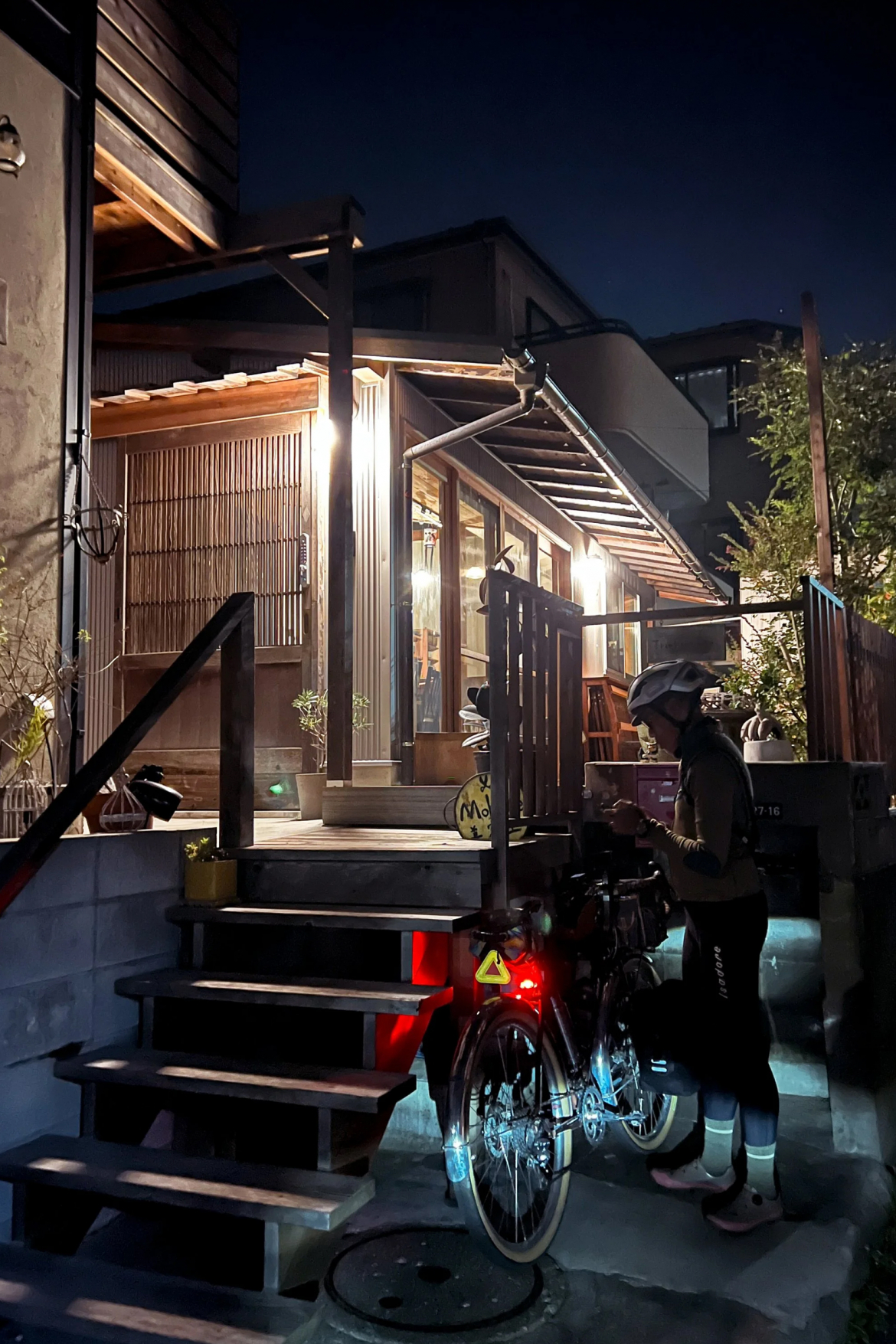
Darkness settled in at 5pm when we had our biggest ascents to grind through, namely two mountain passes on remote roads with barely anything along the way. The temperatures had dropped to 3 degrees celsius as we kept moving to stay warm as the Halloween moon rose high in the sky, stopping only for a quick dinner at a roadside cafe. After what felt like an eternity of climbing, the descent began — fast, cold, and exhilarating — and we eventually rolled into Takayama, a city known for its Edo-era architecture and calm, tidy streets. It had been a long day in the saddle, but one of the most rewarding. We arrived after dark, legs heavy but heart light.
Segment 3: Nagano’s Forest Roads and Castle Towns
One cannot pass through Takayama without sampling the Hida beef of the highlands, so a day of relaxing to replenish our depleted energy reserves was needed. We had our fill of some of the best wagyu of the region before continuing east into the heart of the Kiso Valley and entering Nagano Prefecture. This stretch was longer, more varied — skimming through weathered towns, deep forests, and ridgeline vistas.
The ride to Kaidakogen started with a chill in the air; with the steady climb past volcanic foothills helping to keep us warm. It was ultimately one of the more challenging routes of the tour, with plenty of long sustained 8-9 percent gradients immediately out of town. Several more dams including the Takane Dam offered stunning views, with the winding road offering occasional glimpses of distant mountain peaks including Mount Otake, rising like a quiet giant to the south. A brief stop at a local sundry shop offered the best kind of cycling reward: home cooked rice gifted by the owner to eat with soba noodles.
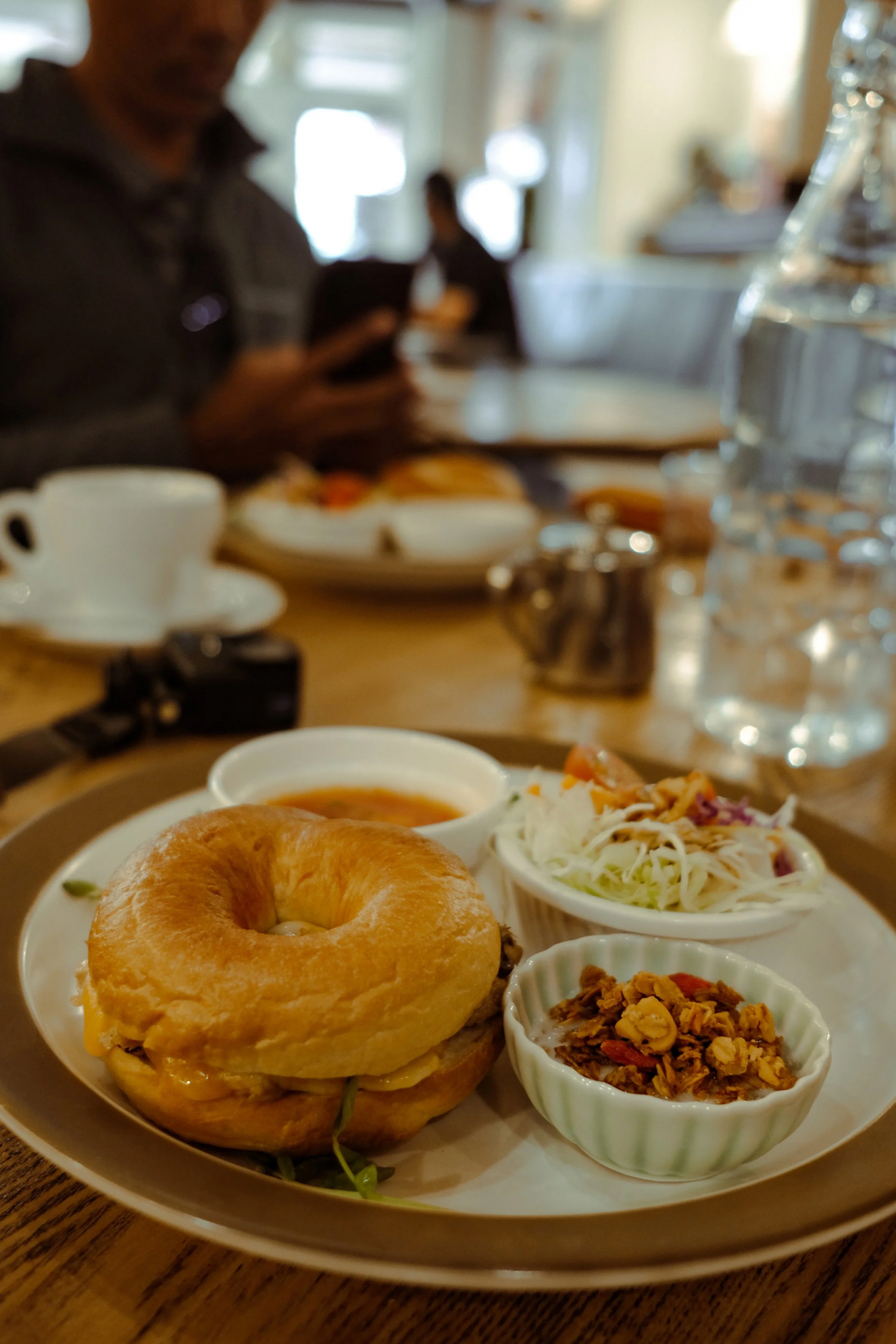
Kaidakogen itself — a highland plateau known for its open fields and dairy farms — was serene. The route offered stunning autumn foliage views, and the crisp alpine air carried the scent of pine and cedar trees. We reached our accommodation, Pension Kaoru, before the highlands were plunged into darkness, to enjoy another exquisite homemade kaiseki meal. As per Japanese tradition in these quaint remote villages - it featured seasonal vegetables only grown on their land.
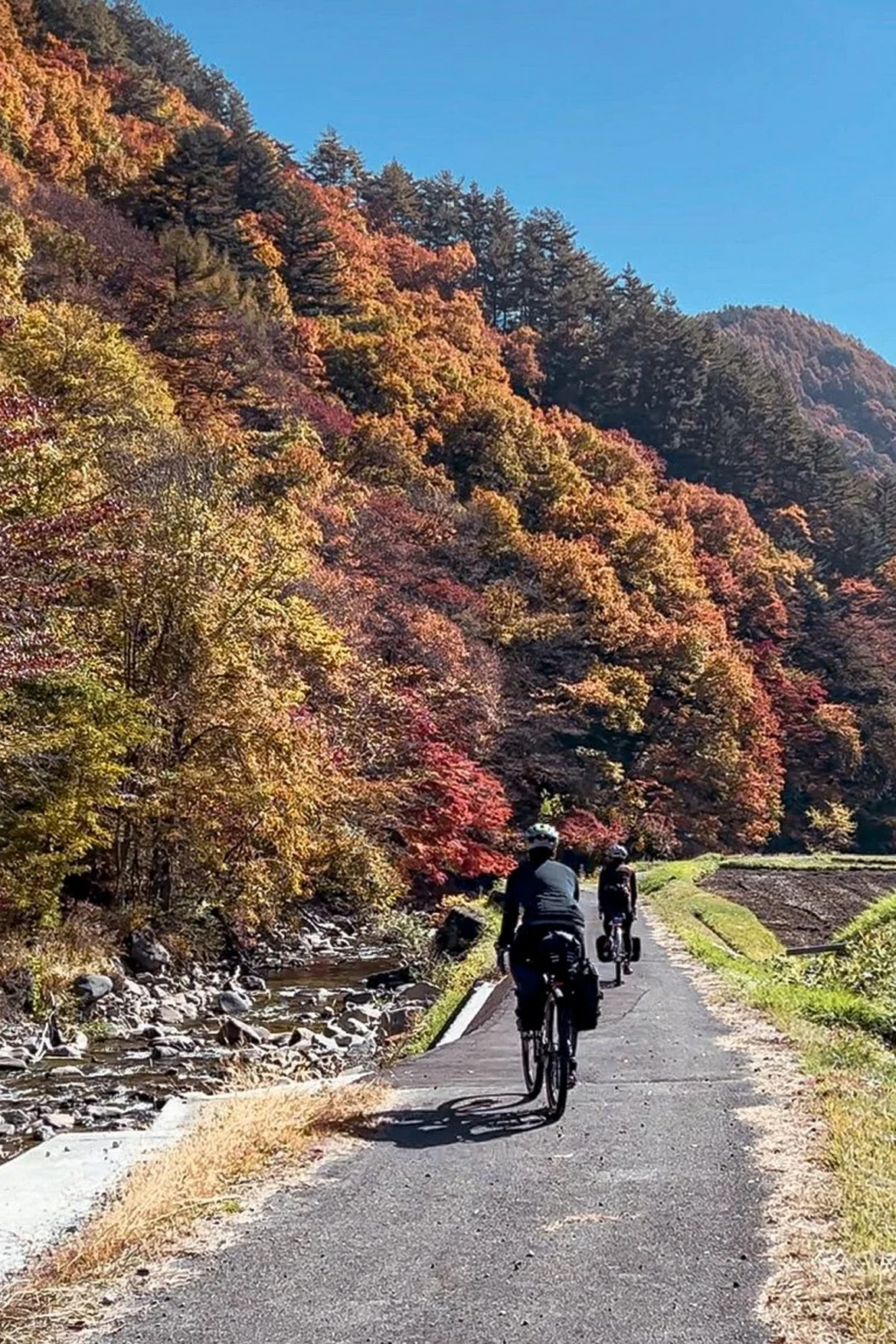
The next morning, the descent toward Kiso Fukushima was a relaxed one, knowing we had less than 20km to cover the whole day. Accommodations were fully booked at the next town of Narai due to the public holiday, so we could slow down our freewheeling speed to take in the autumn scenery before reaching the picturesque historic district’s streets of Edo-period merchant houses.
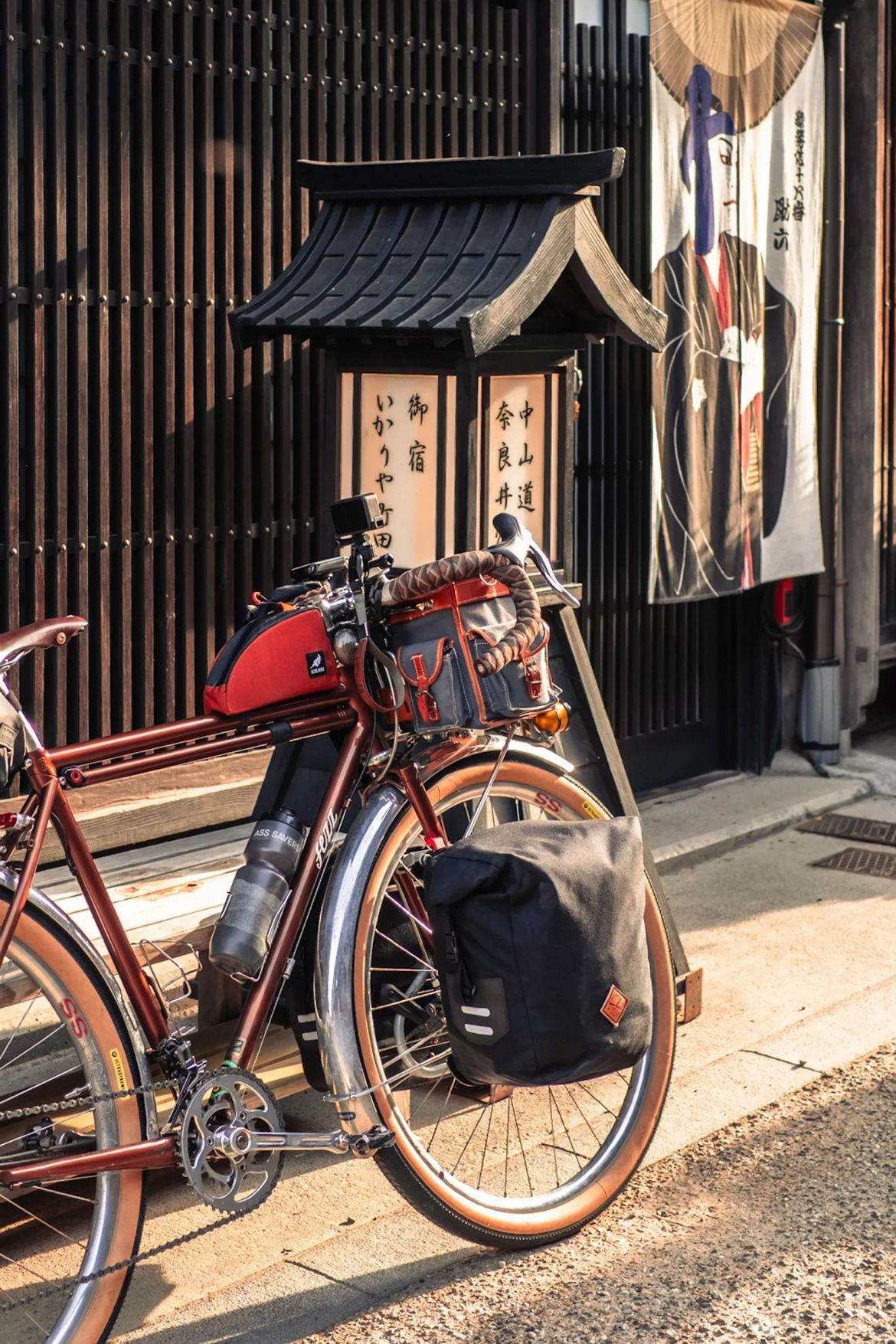
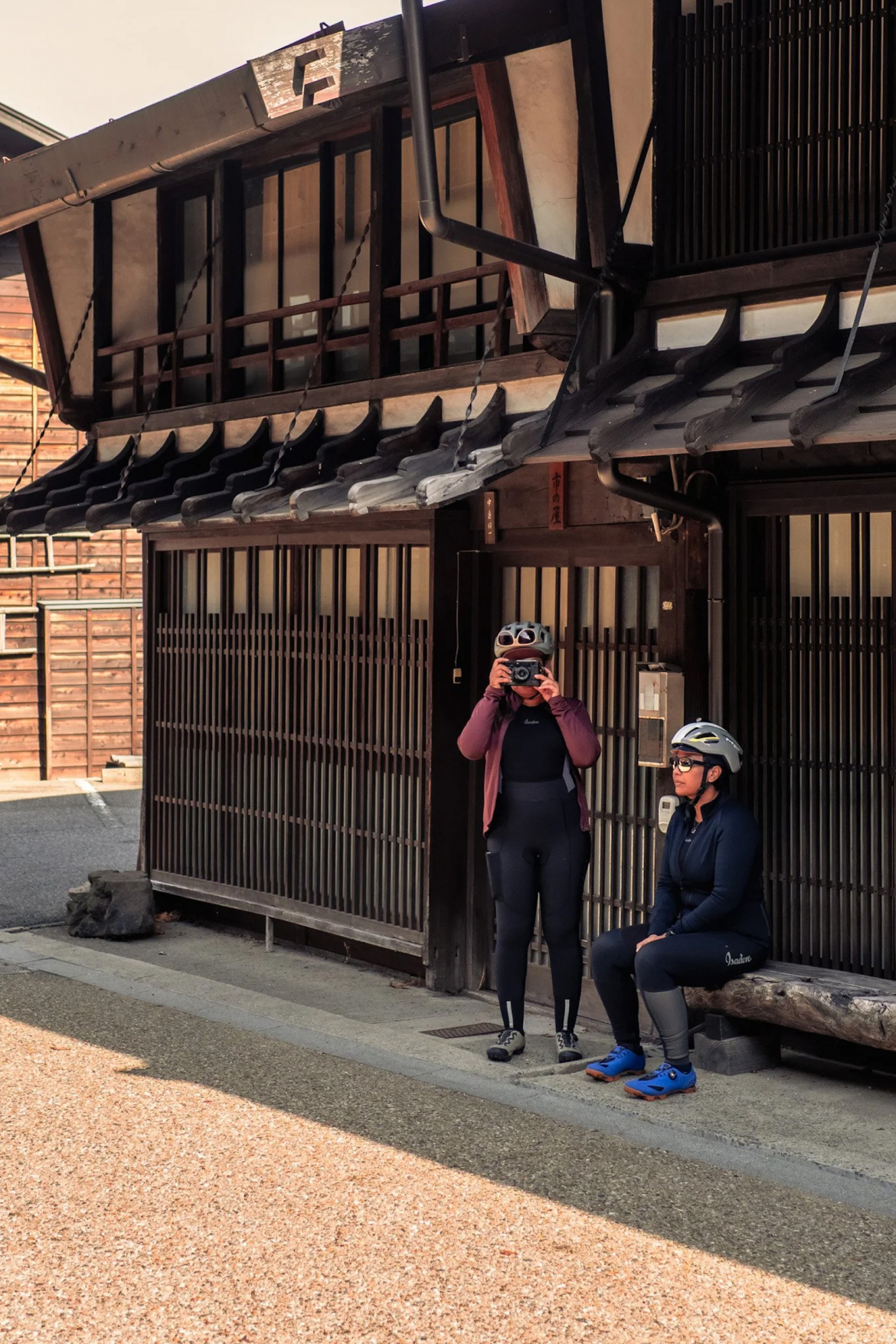
After another onsen session and a social night at a nearby Izakaya bar, we continued on our way the next morning, tracing the winding Kiso River and through the many tunnels in the mountains, passing by the Kiso Town Sumo Ring. Approaching lunchtime we reached Yabuhara town, one of the sixty-nine post towns along the centuries-old Nakasendo highway, one of the two Edo Era routes connecting Kyoto with Tokyo. Yabuhara is a gateway to a part of the Nakasendo hike that goes over Torii Pass, the highest point along the entire 534-kilometer route. After more climbing and a long tunnel descent, we stopped for lunch in Narai, a town from another century, with narrow streets lined with dark-wood buildings and stone paths.
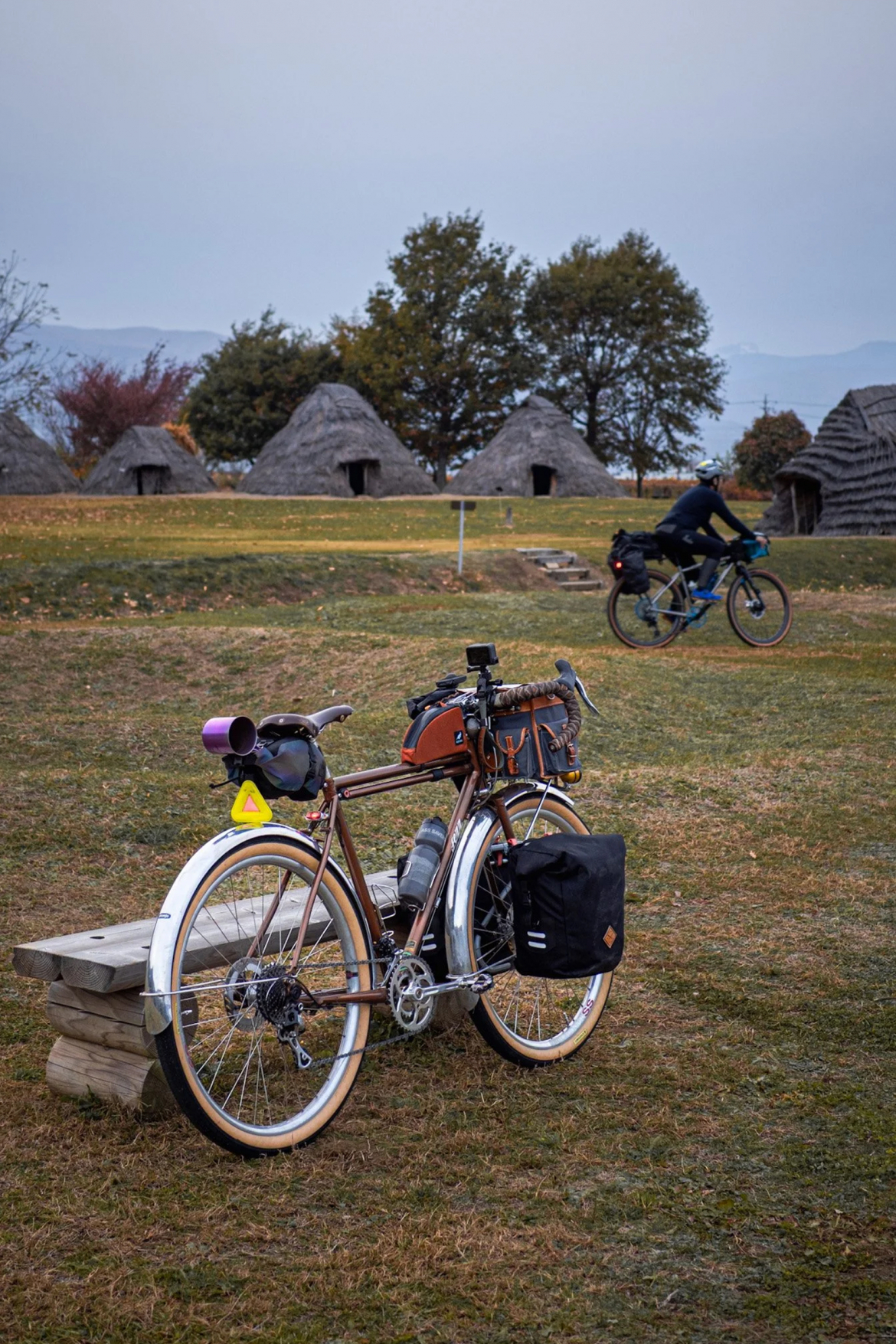
Crossing the railway tracks right outside town, we continued northeast, heading downhill to the Hiraide archeological ruins of Shiojiri City just as the light began to fade. A brief visit sufficed before continuing downhill into Matsumoto, the city of the famed black-and-white Matsumoto Castle.
Segment 4: Fuji’s Lakes and the Descent to the Sea
Having covered several hundred kilometres and a number of mountain passes, Matsumoto offered the perfect opportunity for a break for cafe hopping, an onsen session and a visit to the famous Matsumoto Castle. Also known as the Crow Castle, Matsumoto Castle is one of the most complete and beautiful castles to have survived Japan’s feudal era and is not to be missed. After a rest day, we were ready to continue the journey.
Leaving Matsumoto, the rhythm of the ride shifted again. The towns grew more spaced out in between farms and orchards. It was the final push — the long, winding way toward Mount Fuji and the five lakes, before going downhill to the Pacific Ocean. It was a blustery morning, the first warning sign that the day’s ride would not be an easy one, with headwinds and crosswinds buffeting us as we climbed southeast towards our first peak before descending into Lake Suwa.
The route cut through the Yatsugatake Mountains, evident in the constant grinding through mountain roads until finally rolling terrain signalled our proximity to Nirasaki. We checked in gratefully into an 80 year old farmhouse turned guesthouse, as tiny raindrops began to fall, a prelude to a much heavier shower that would ultimately persist until the next morning.
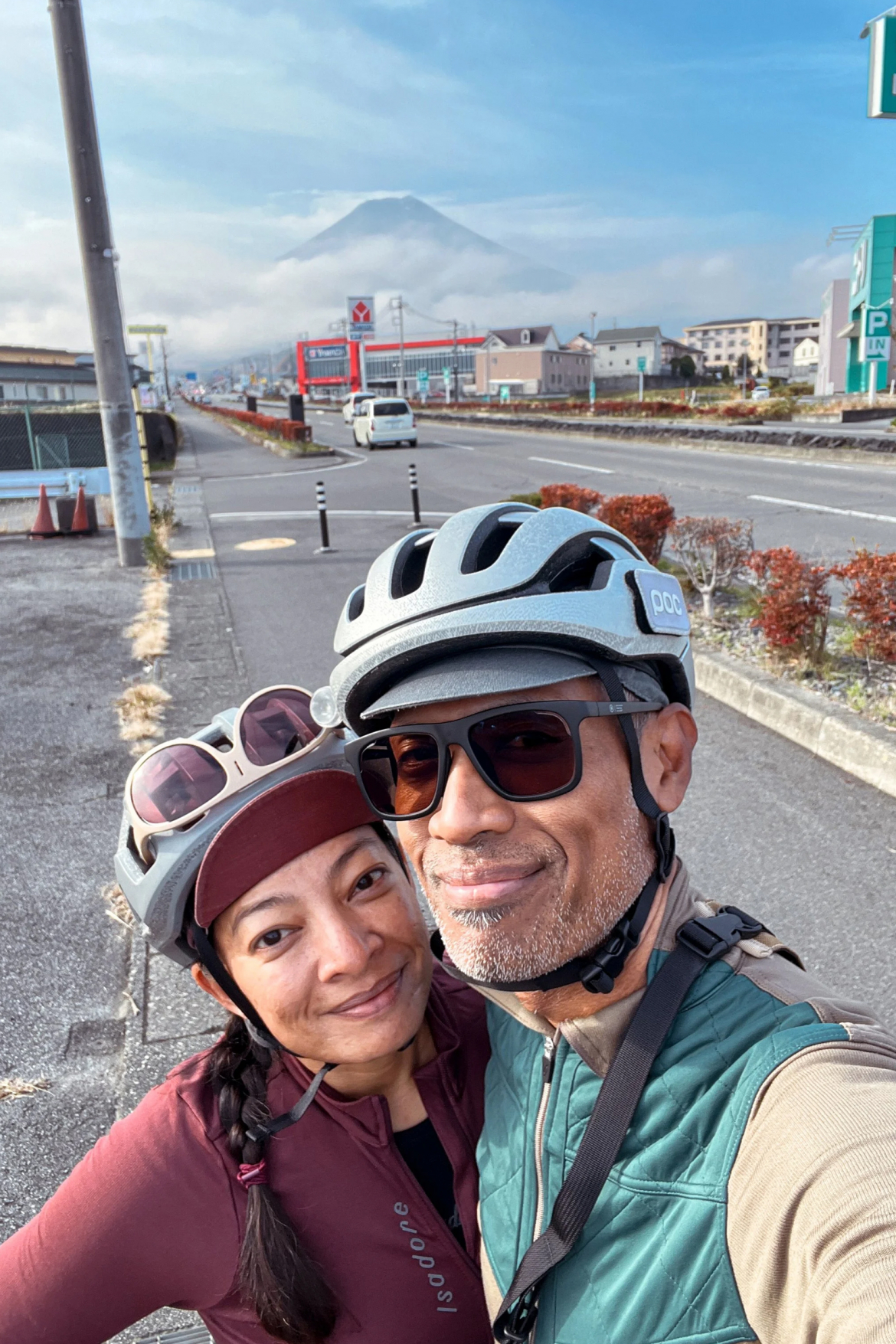
By daybreak it was clear that we would need an emergency transport vehicle, or risk hypothermia riding in the rain up to Lake Kawaguchi, one of Fuji’s famed five lakes. We piled into the XL van to arrive just in time for a late lunch on the shores of the lake, where the rain had given way to uncharacteristically warm autumn weather, and Mount Fuji’s iconic snow cap had melted overnight.
But the scenery was no less breathtaking — Mount Fuji appeared to shimmer in the warm light, mirroring itself in the water at dusk, with just the faintest ripple distorting the reflection. That golden hour image felt like a final gift from the road. After a day of leisurely cycling around Lake Kawaguchi and the less touristy Lake Saiko, we were ready to hit the road again.
Segment 5: The Final Coastline Stretch
From Lake Kawaguchi, it wasn’t just an easy descent toward the coast, with double digits within the first hour of rollout. There was still much climbing to be done en route to Oshino Hakkai, the midway point between Lake Kawaguchi and Lake Yamanaka, another one of the five Fuji lakes. The small village of Oshino has a set of eight ponds, which were once a lake - the sixth Fuji lake before it dried out several centuries ago. The crystal clear waters of the ponds come from the snow melt of Mt Fuji, and are teeming with the most amazing sweetfish and rainbow trout which made a fantastic teishoku lunch of grilled fish for three cyclists starving after all the climbs.
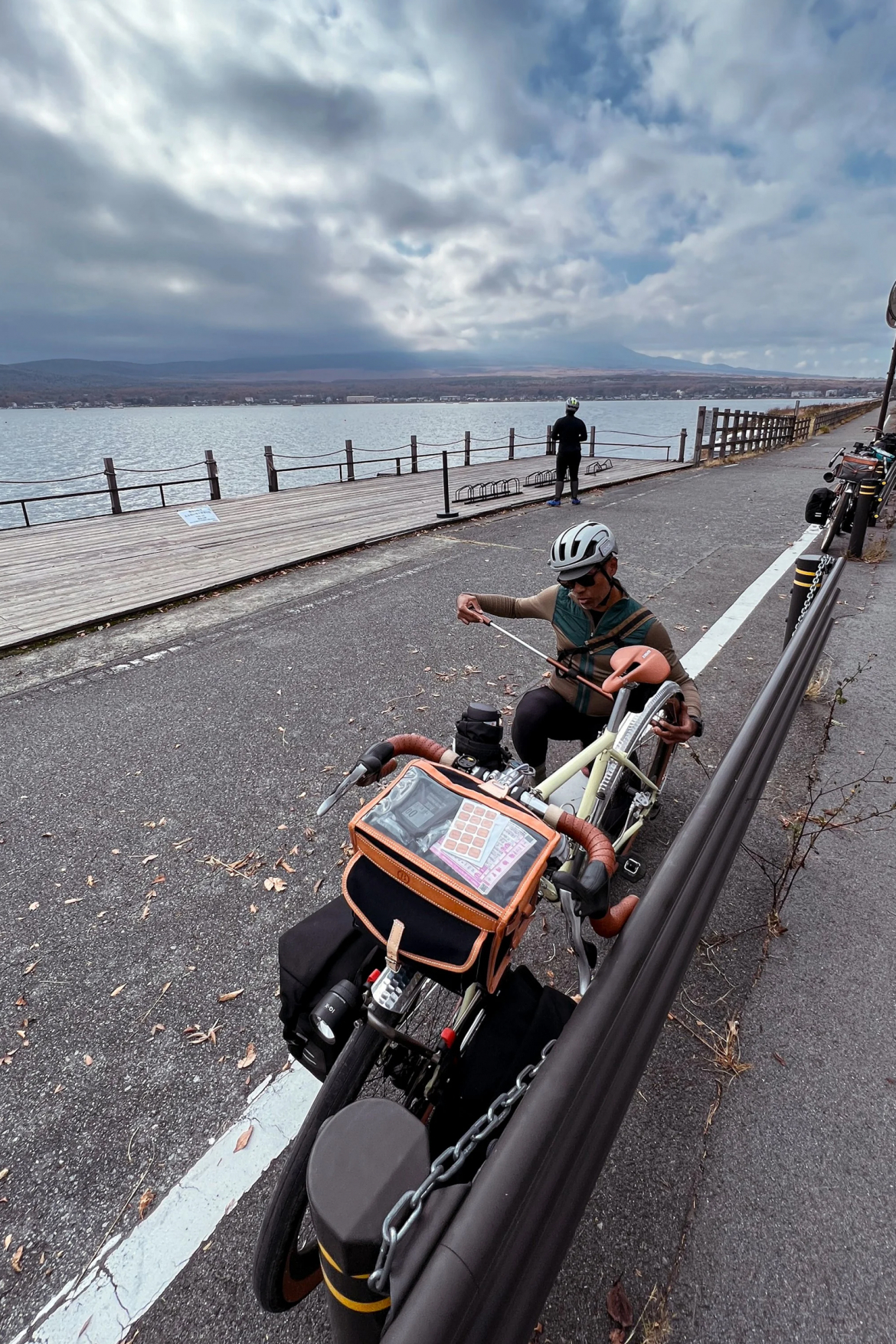
Lake Yamanaka was yet more climbing ahead, circling the eastern shore of the lake before stopping for another snack at a lake side cafe. We were headed for the Mikuni Pass after all, the mountain pass that straddles the three prefectures of Tokyo, Kanagawa, and Yamanashi. Halfway up the mountain pass road lies the panoramic observatory, a famous spot to view Diamond Fuji, namely the sun rising out from the peak of Mt Fuji. After yet another brutal climb, we then followed the Yamanashi stretch of the Olympic Cycling Road Race in reverse: a hairy 18% descent accompanied by the roar of cars on the Fuji Speedway in the distance.
By night time we had reached the flat part of the route, in time for an early dinner of piping hot tendon at a random eatery we stumbled across in town. Some dark and bumpy riverside bike paths came next, before a mind numbing number of traffic lights along the coastal road to our Airbnb in Kamakura. We arrived four painful hours of stop-and-go riding later, the first time we’d ever completed a tour stage after midnight.
The next morning brought a pitter patter of rain, but our mood was decidedly relaxed knowing that we had only a short distance to cover to our end point in Yokohama. The roads unwound with a gentle rhythm through town areas that grew busier and more urban with each passing hour. Traffic thickened as the rain also intensified, forcing us to abandon any plans for sightseeing in Kamakura.
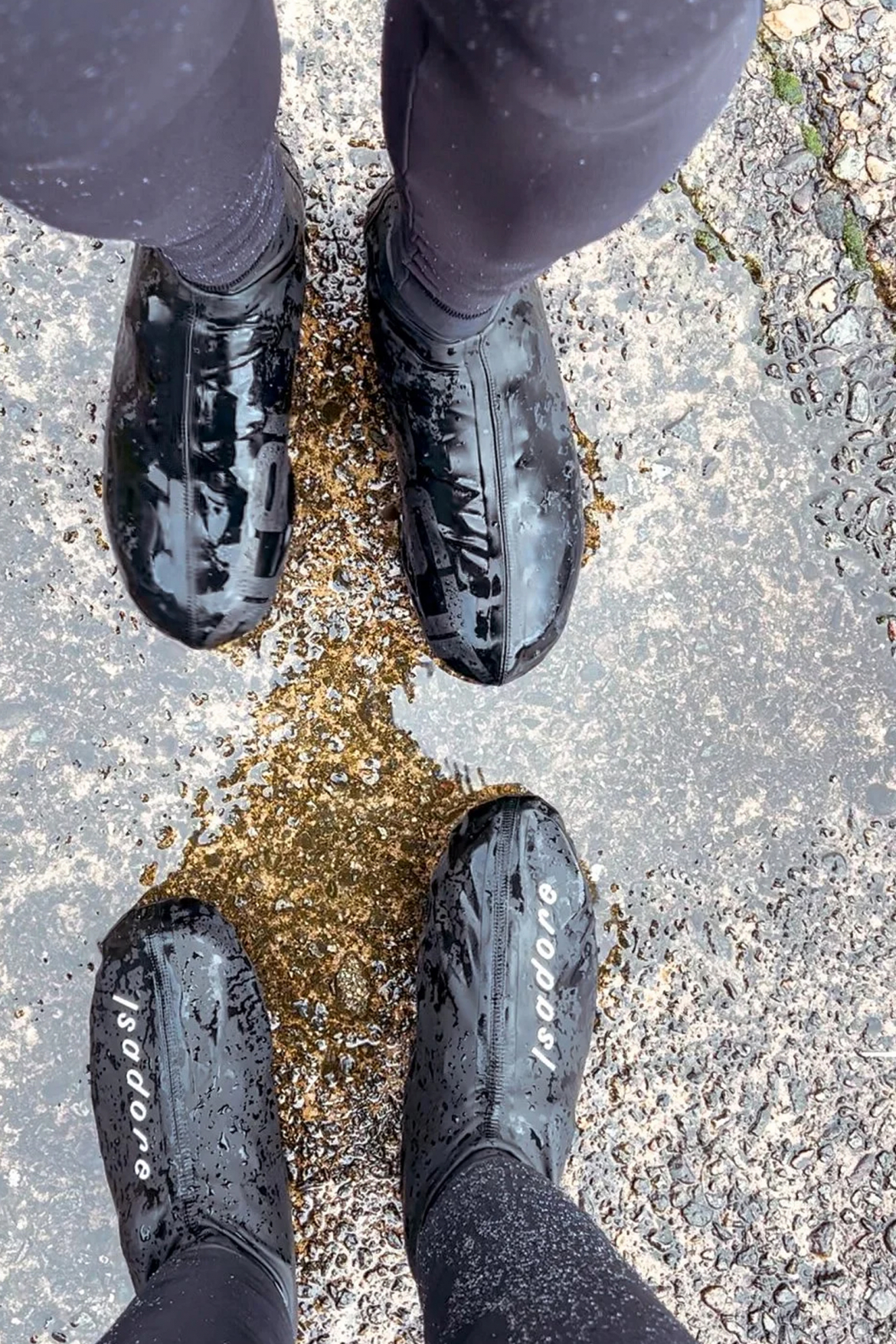
The last day to Yokohama was a massive sensory shift, because what would have been a pleasant end to the tour became a wet ride instead, soaking us to the bone. The final push was more of a slow and deliberate crawl along the coastline, the scent of rain mixing with the sea breeze. We rode single file alongside the traffic with the Pacific Ocean flanking us on the right. Surfers were out to enjoy the morning waves, undeterred by the steady drizzle.
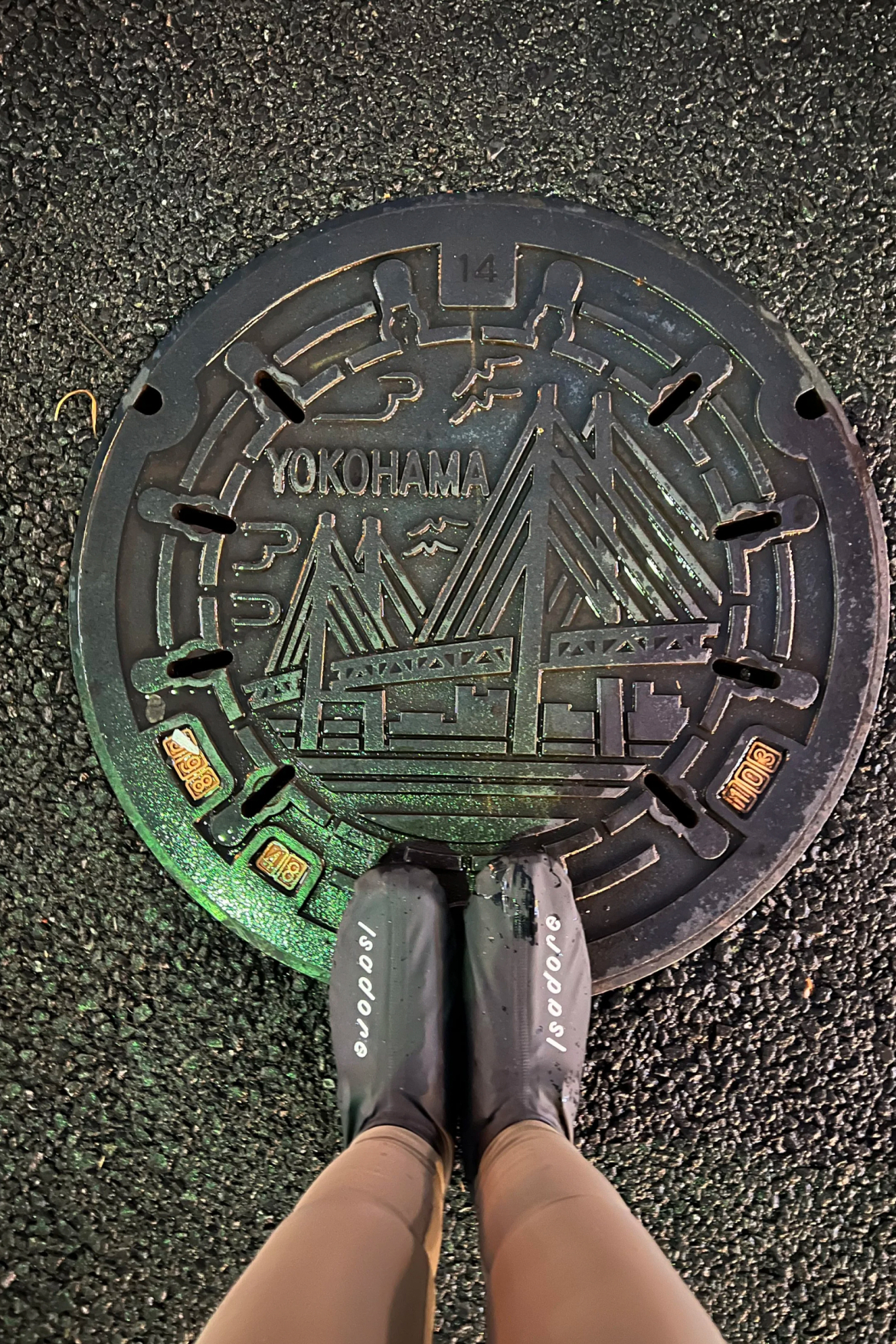
In between a vegetarian lunch at the Kencho-ji Temple and a teatime snack at Komeda Coffee, the route had become an urban ribbon ride - weaving in between tidy residential neighborhoods and busier commuter town roads. Compared to the high mountain passes and remote valleys behind us, it felt like a soft landing. By the time we rolled into the port city darkness had fallen, and everything glistened as the city lights bounced off the wet tarmac and concrete. The Pacific stretched out beyond the harbour, indifferent and endless as we enjoyed a celebratory surf and turf dinner.
The journey had taken us across four prefectures over 500 kilometers, and through a landscape layered with history, geography, quiet wonder and grandeur. The ride was done — and somehow, just beginning again in memory. All that was left was to plan the next tour. Cycling in Japan always does that to you — it always leaves you wanting more.