
Annapurna Bikepacking
Three women. Three bikes. One dream: riding around the Annapurna massif.
Photography: Tatiana
Words: Tatiana & Lotti
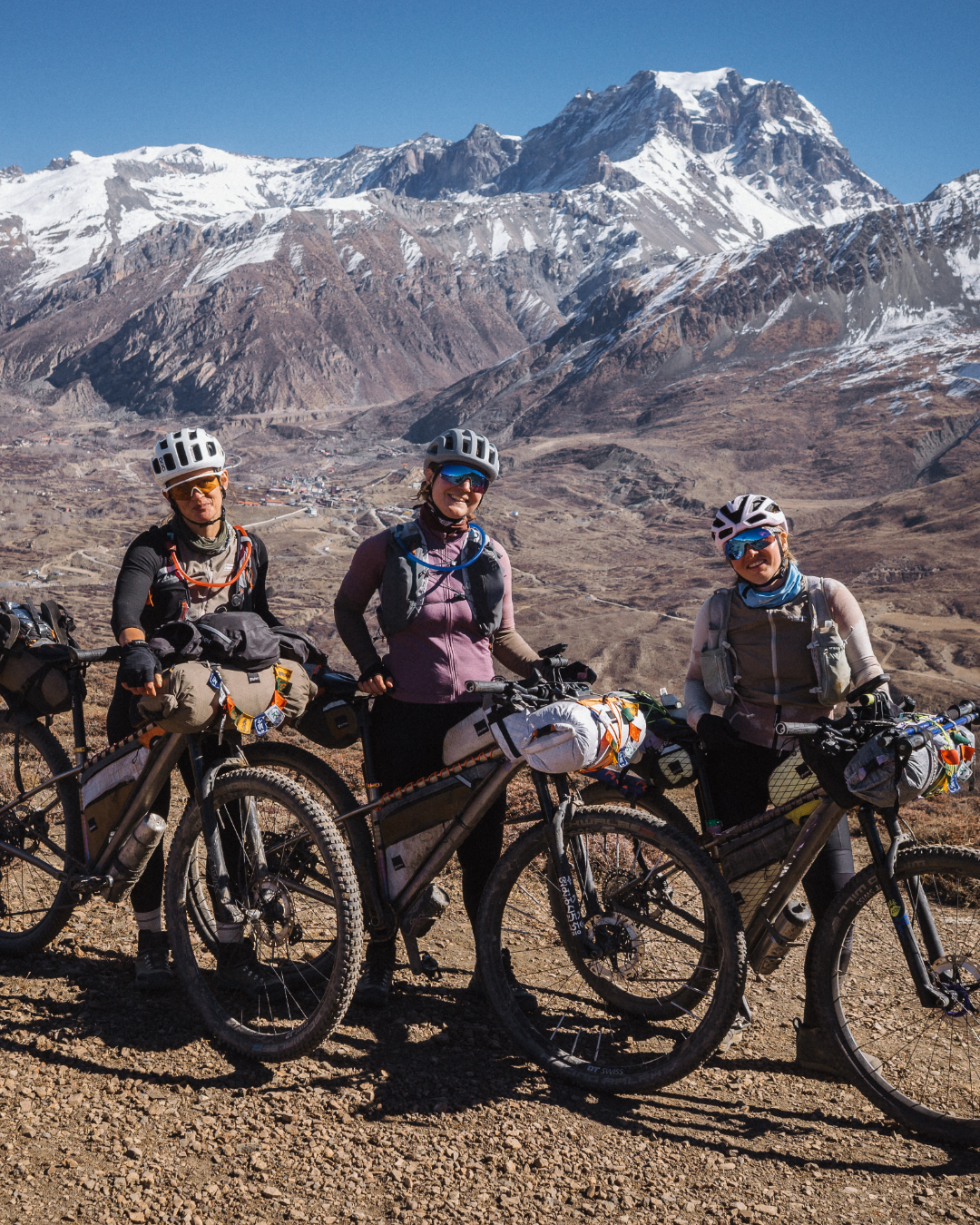
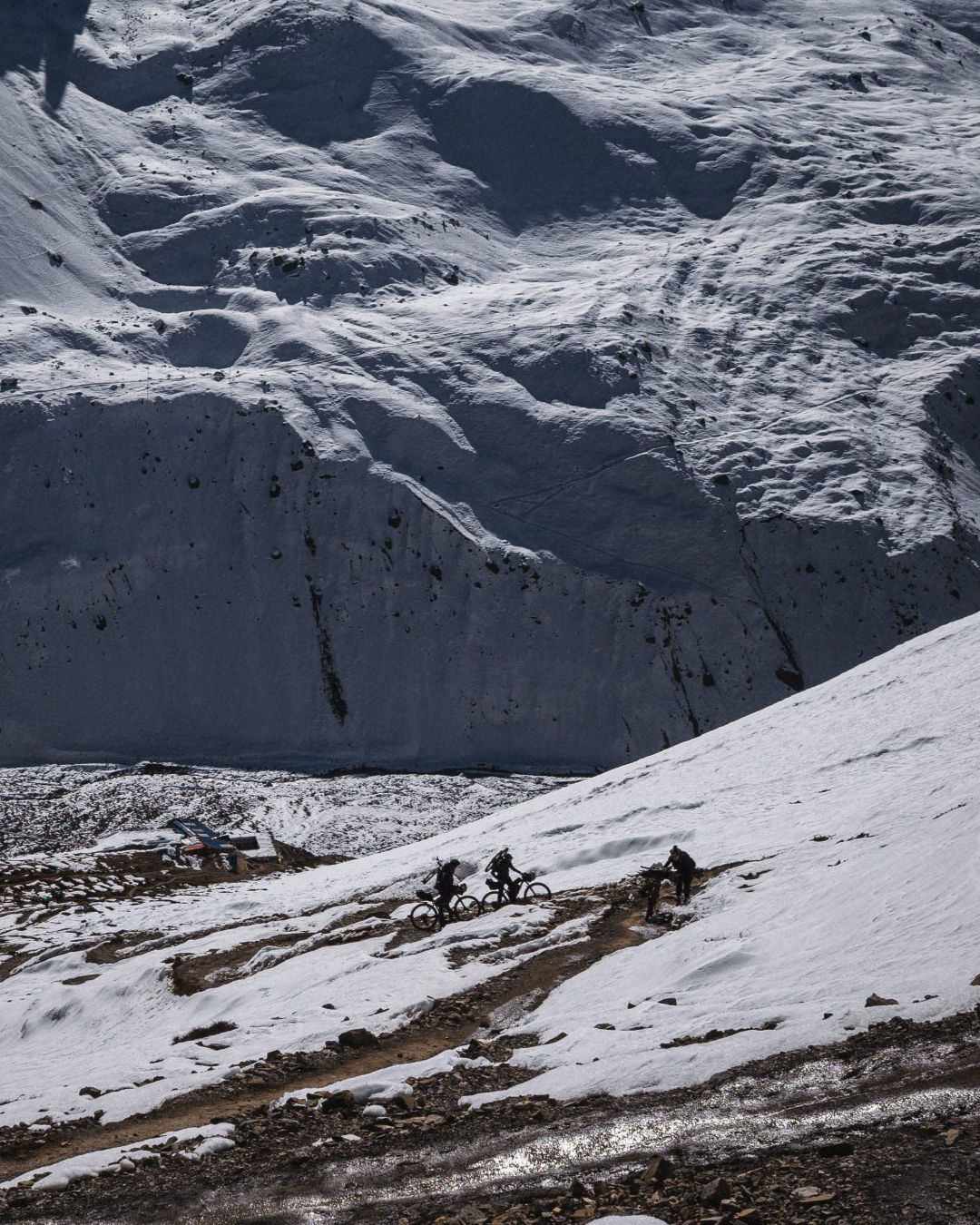
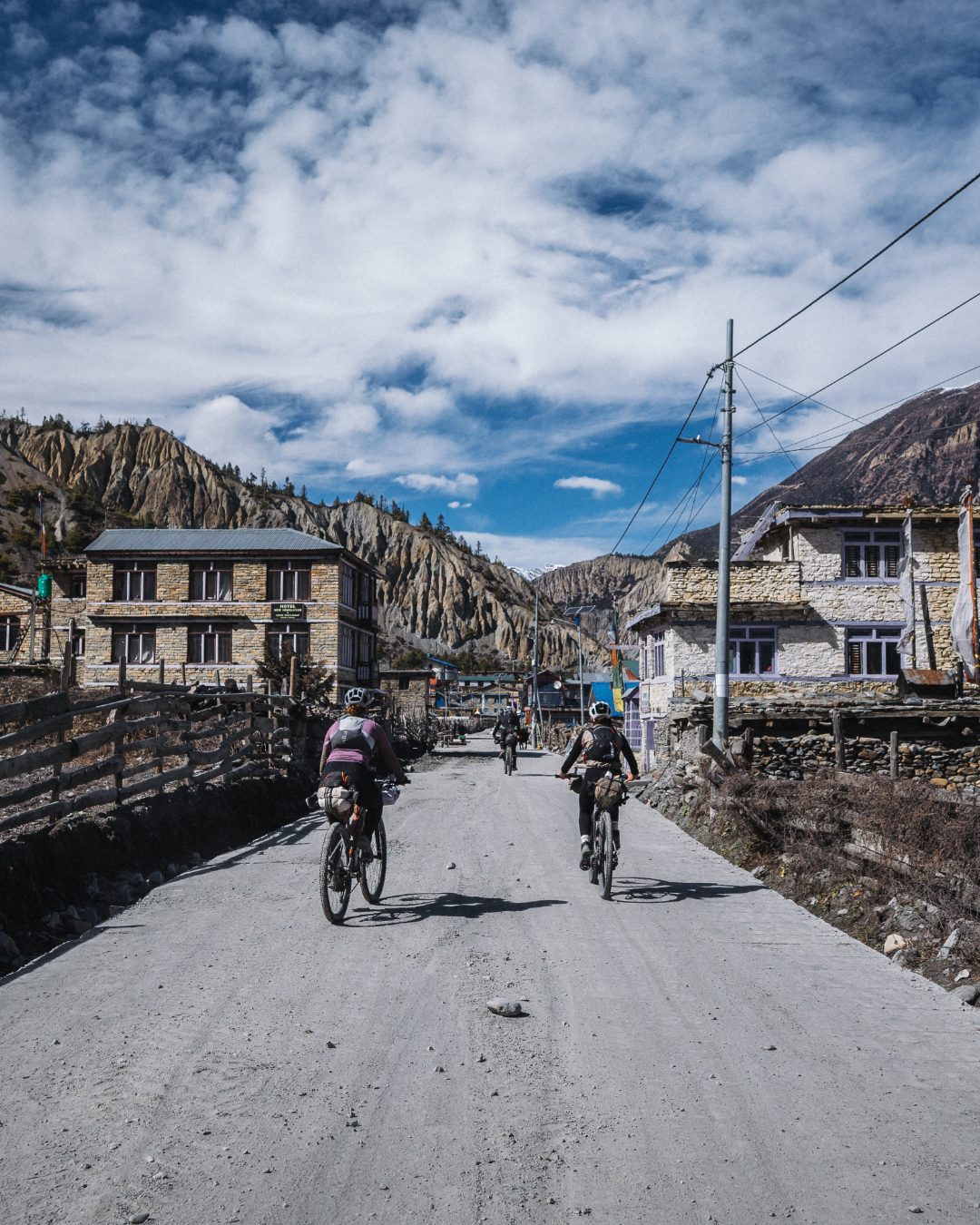
Tatiana, our friend from 8Bar Bikes Berlin, shared the story of a journey that was anything but spontaneous. What sounds like a wild idea was, in reality, the result of nearly a year of preparation, endless video calls, packing lists, and careful planning. In November, Lotti, Maya, and Tatiana set out to ride the Annapurna Circuit, a place shaped for yak caravans and mountaineers, not bicycles.
What happens when you bring a bike into thin air, snowstorms, and a world where breathing itself becomes work? That question stayed with them from the first pedal stroke.
Planned by Marco from Esplora.cc, the route covered 401 kilometers and nearly 10,000 meters of elevation in just 12 days, including acclimatization. On paper, it sounded manageable. In reality, it quickly became an exercise in humility.
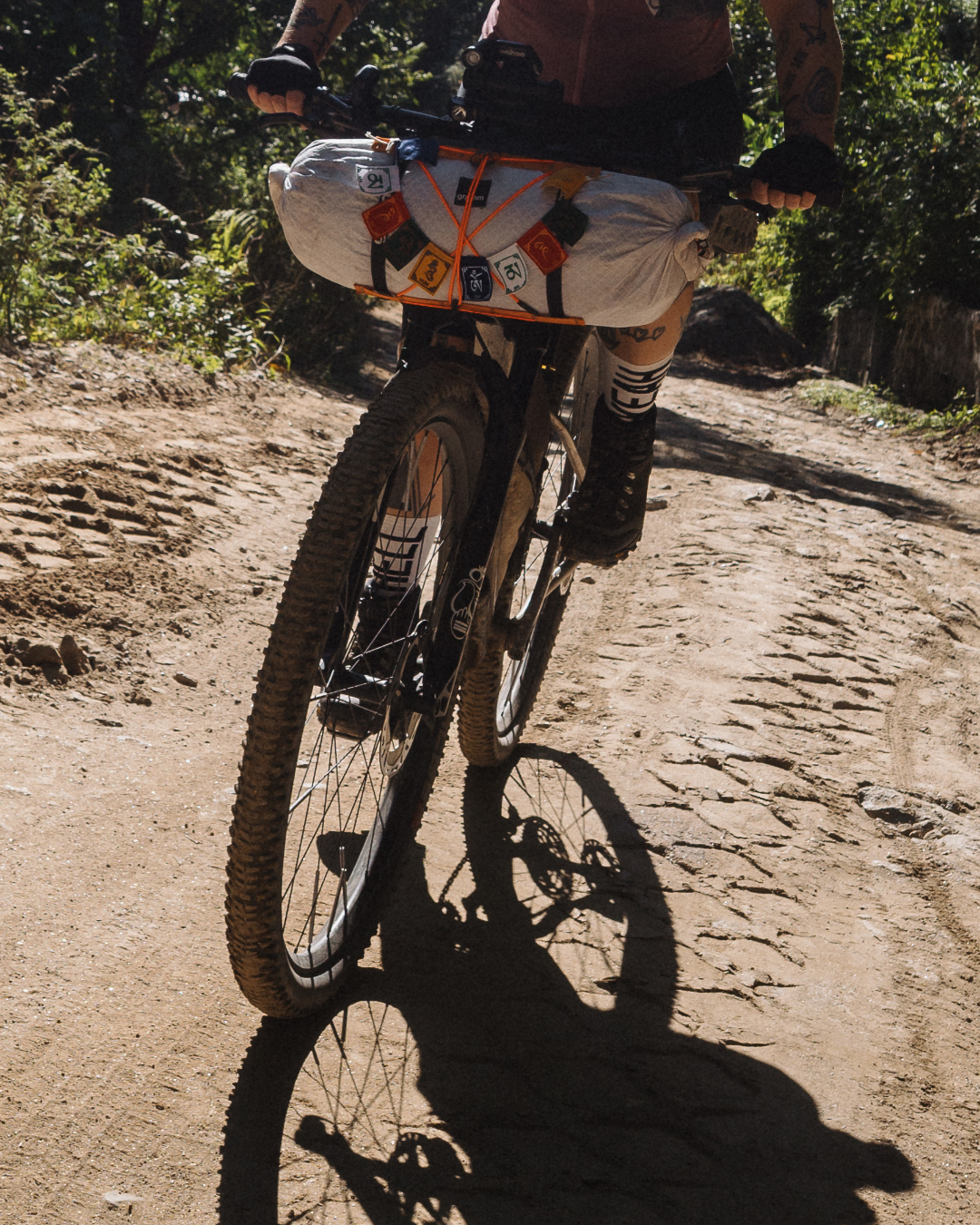
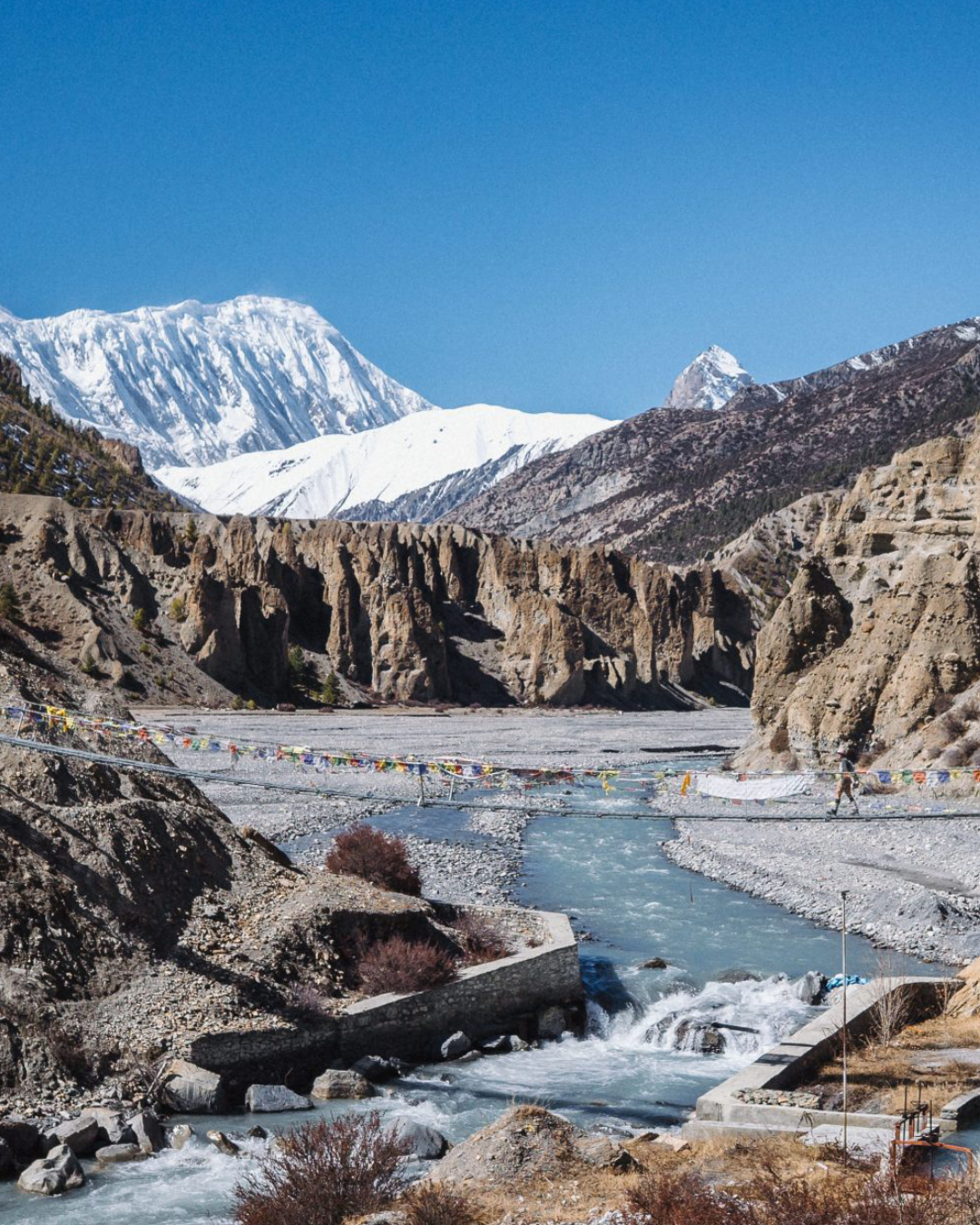
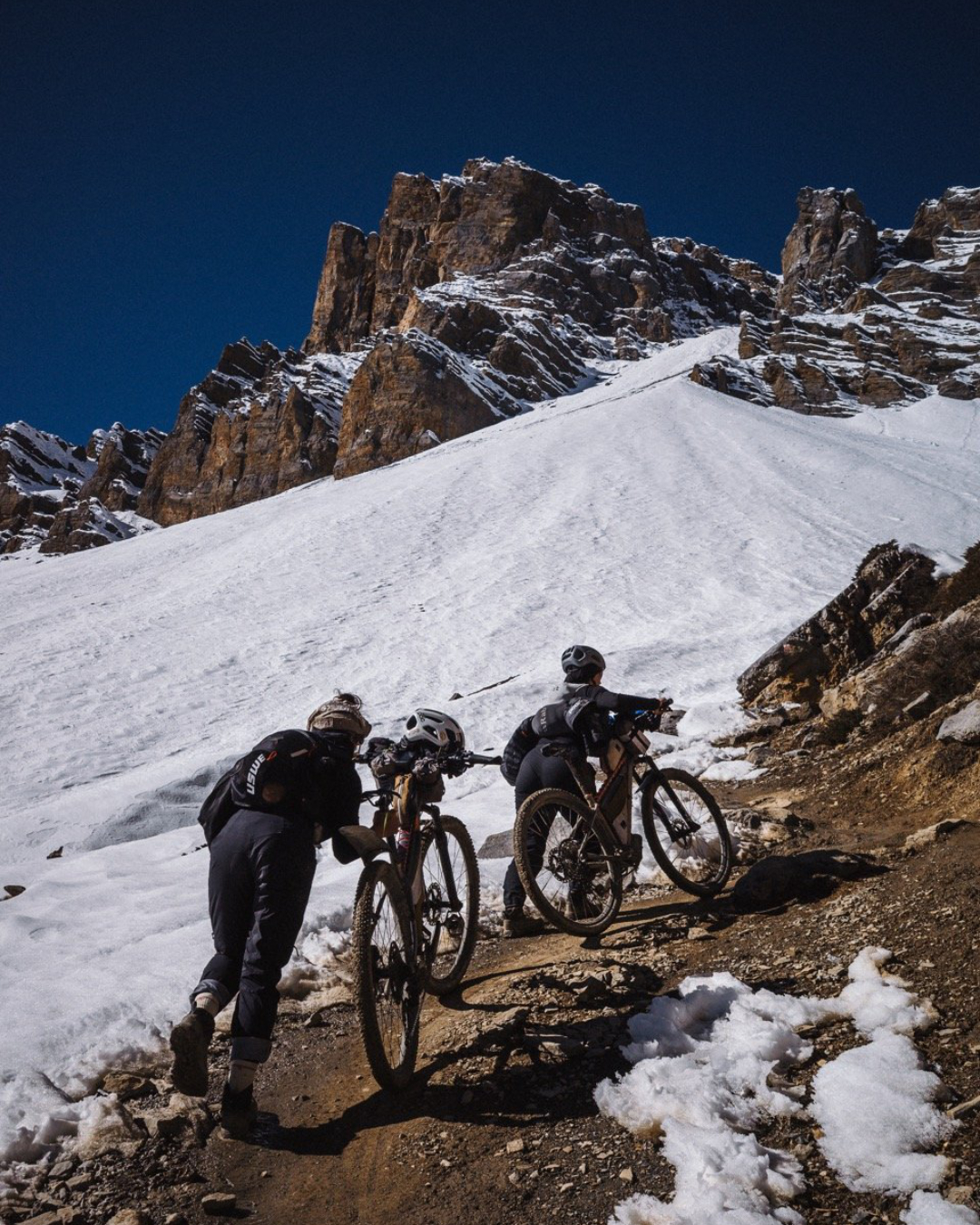
The Thorong La Pass, at 5,416 meters, is the highest pass in the world accessible on foot. Eight of the world’s fourteen eight-thousanders surround it. Pushing a bike up there felt borderline absurd and yet strangely irresistible.
Conditions turned harsher than expected. Heavy November snowfall, landslides, rescue helicopters, and reports of acute mountain sickness made it clear this wasn’t just an adventure, but a serious undertaking. Narrow trails of ice, snow, and mud at –25 °C turned the bikes into heavy companions rather than riding tools. From Yak Kharka onward, hike-a-bike became the default mode. At times, cycling existed only as a distant concept.
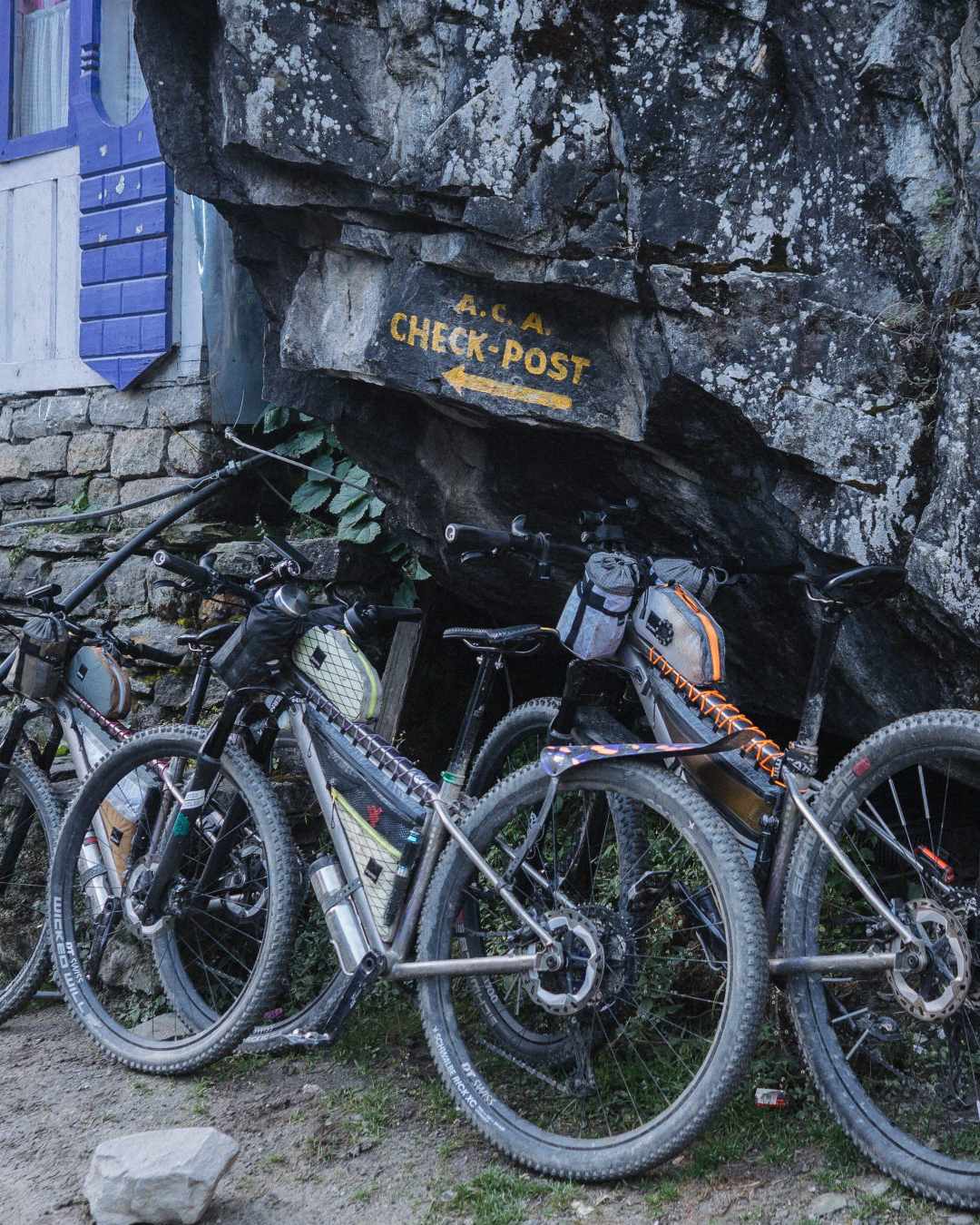
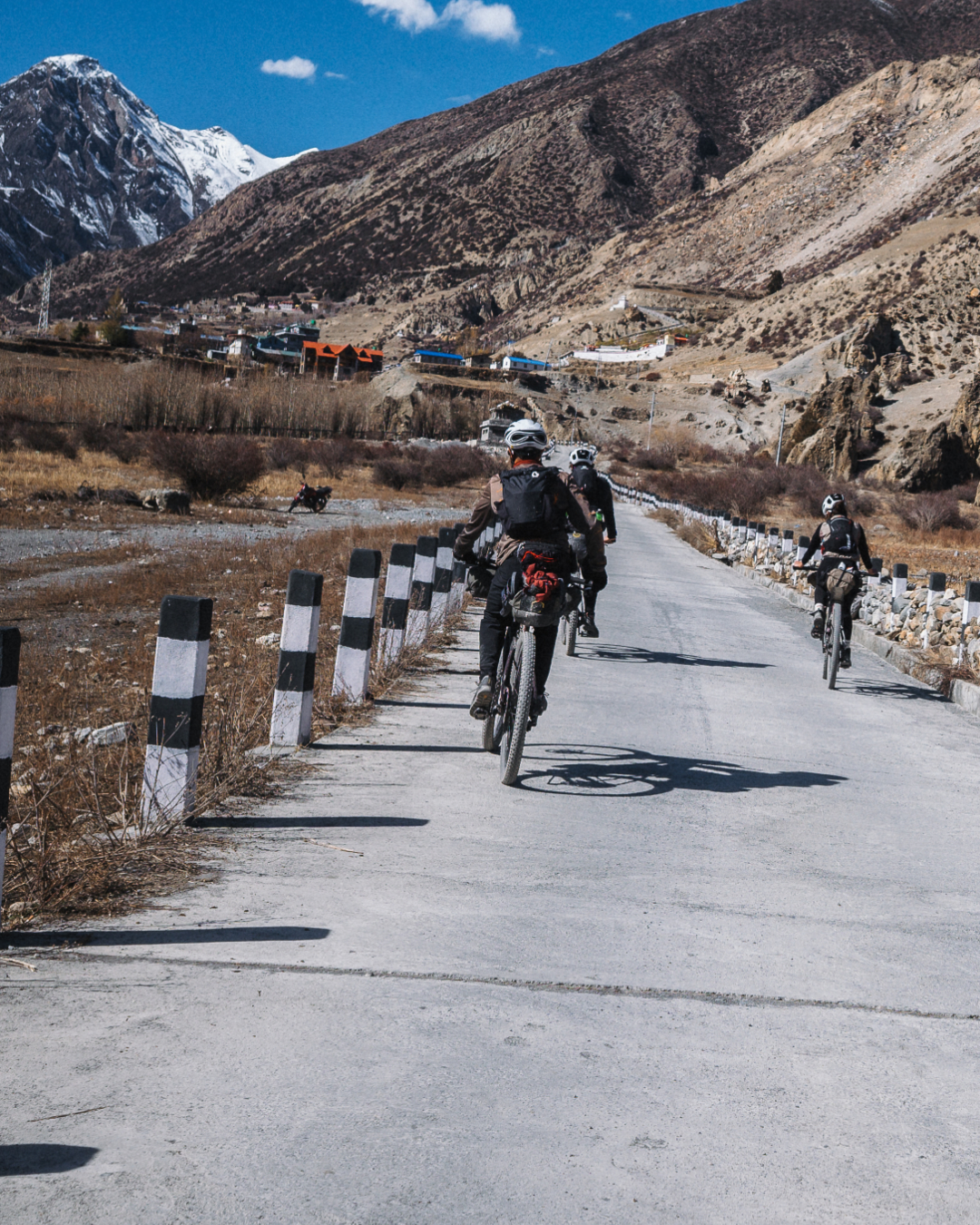
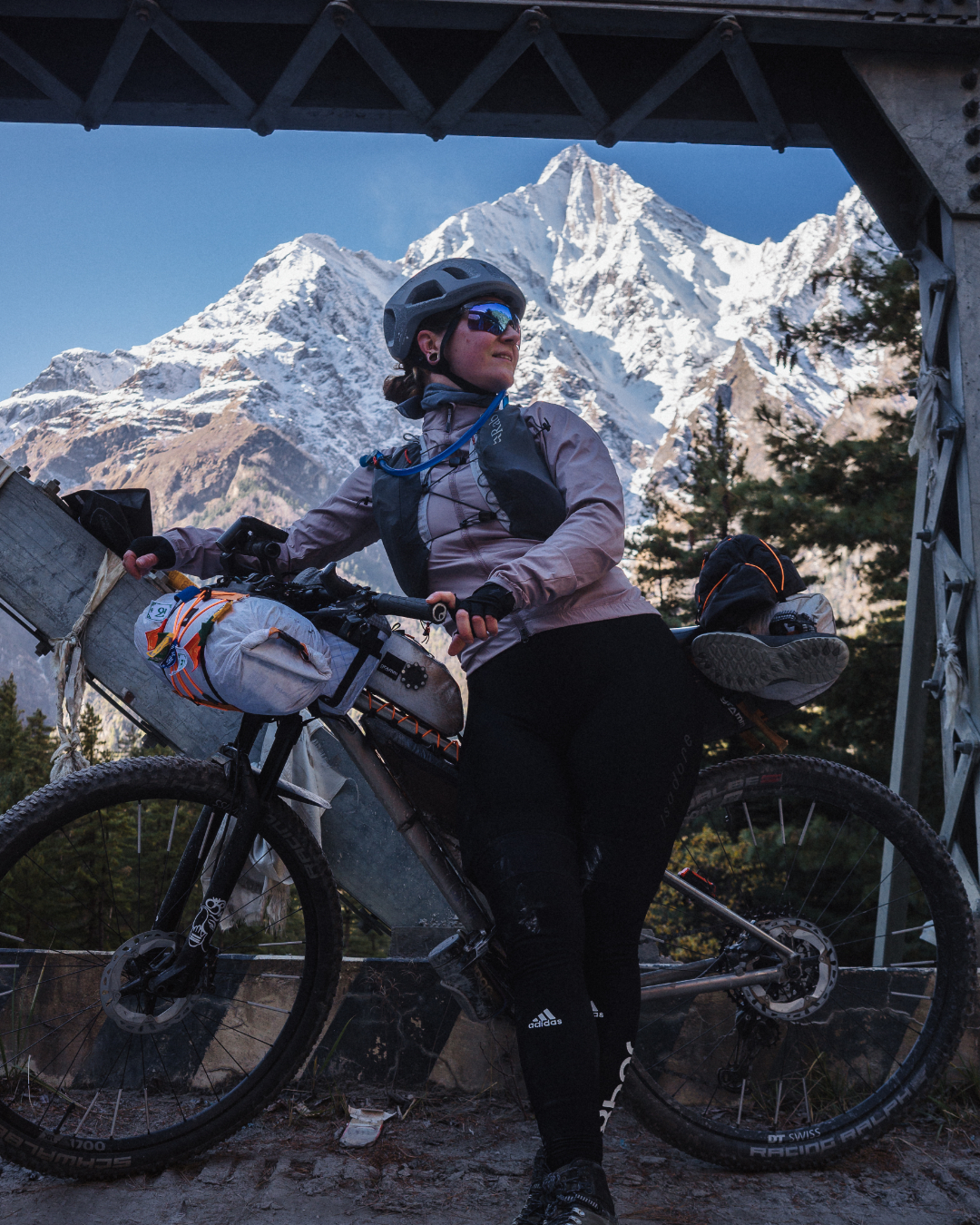
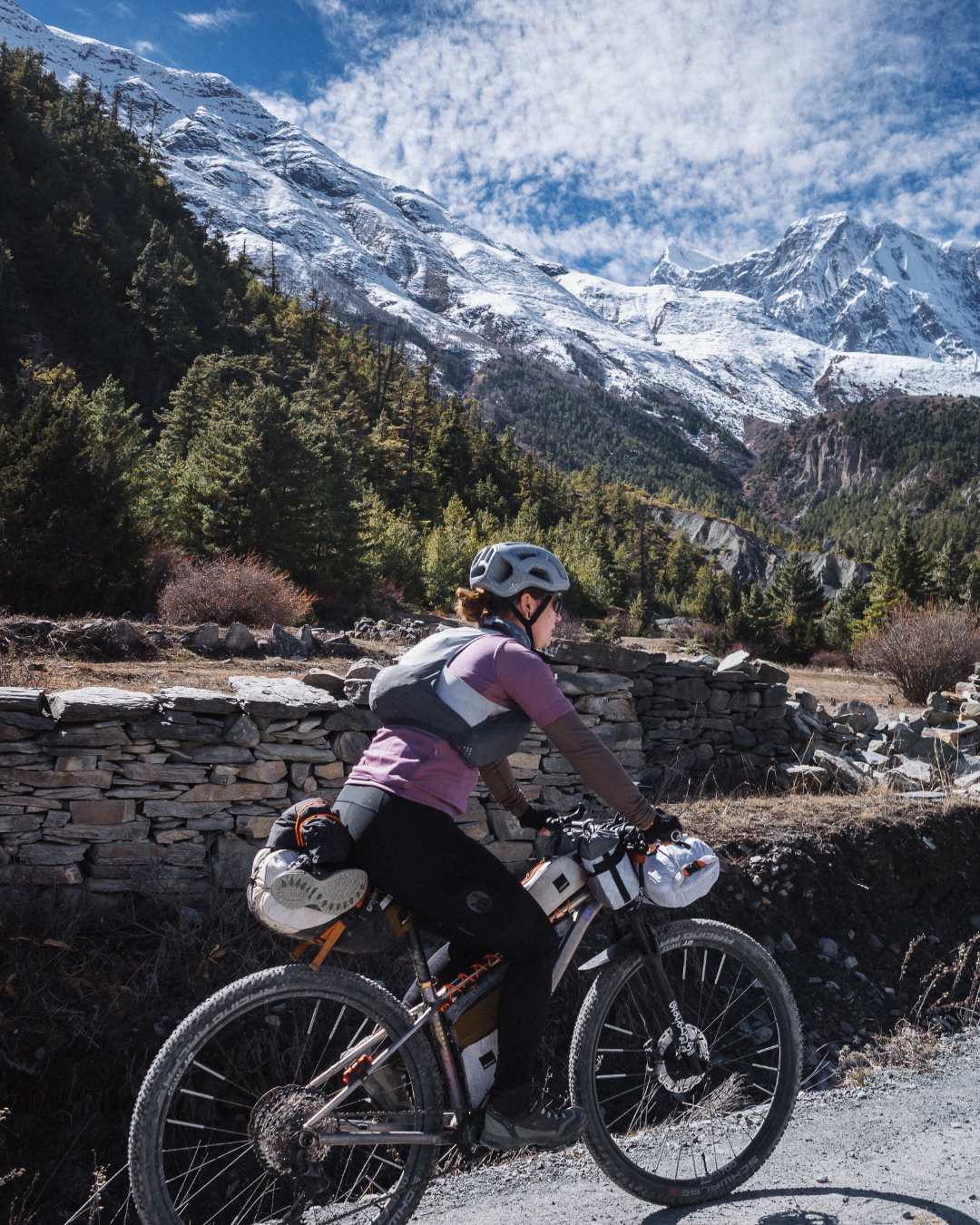
Acclimatization was key and never guaranteed. Headaches, dizziness, loss of appetite, frozen hydration tubes, and constant breath management became daily realities. When Marco showed signs of AMS before the final push, the group had to split. Continuing without him wasn’t an easy choice, but it underlined one of the trip’s biggest lessons: strength isn’t just pushing on, it’s knowing when to turn back.
Despite the altitude and exhaustion, moments of clarity appeared. Above 4,000 meters, life narrowed down to essentials: breathing, stepping, pushing. The mountains felt overwhelming and grounding at the same time. The higher they climbed, the more the mountain dictated the pace, every step negotiated, every breath conscious.
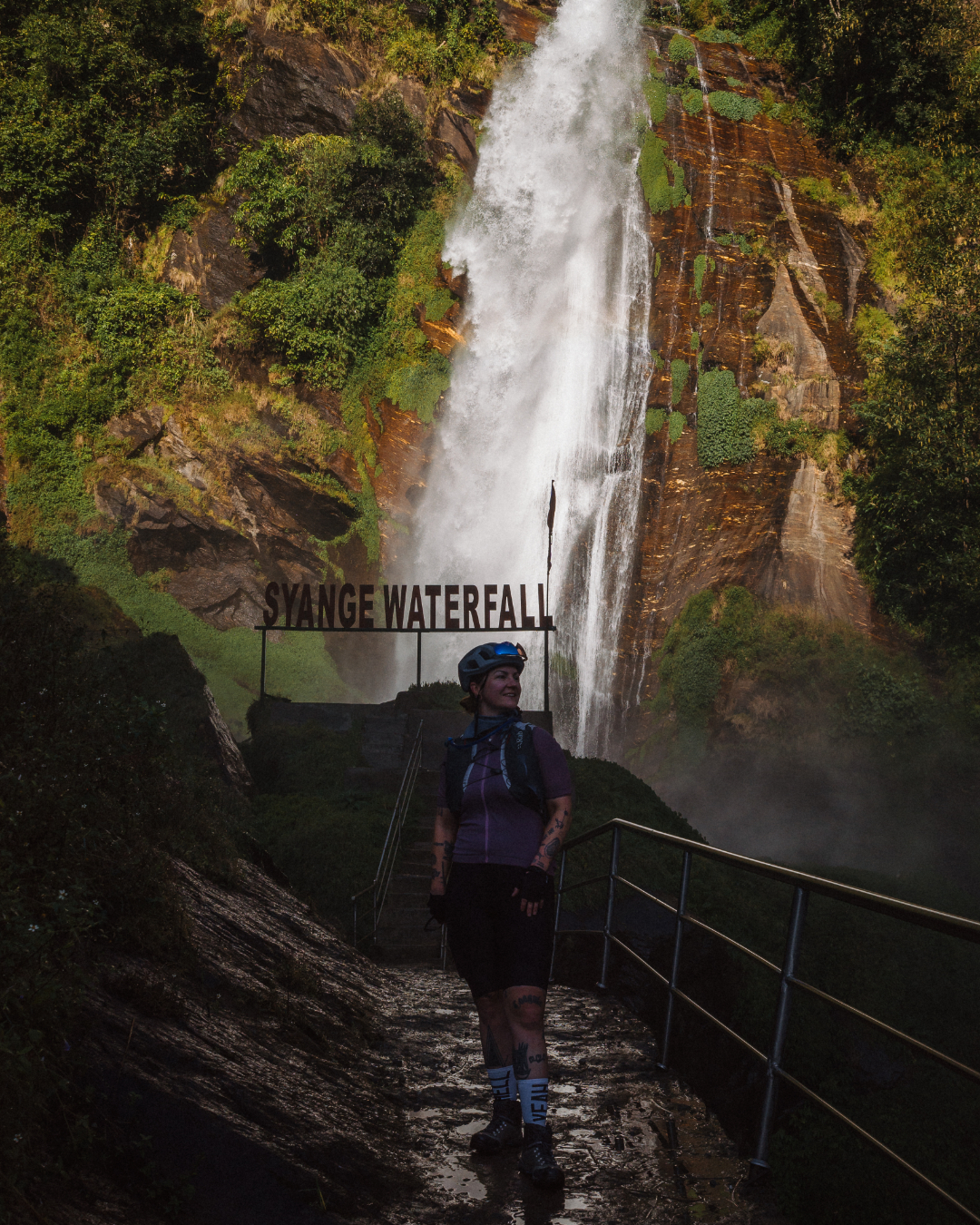
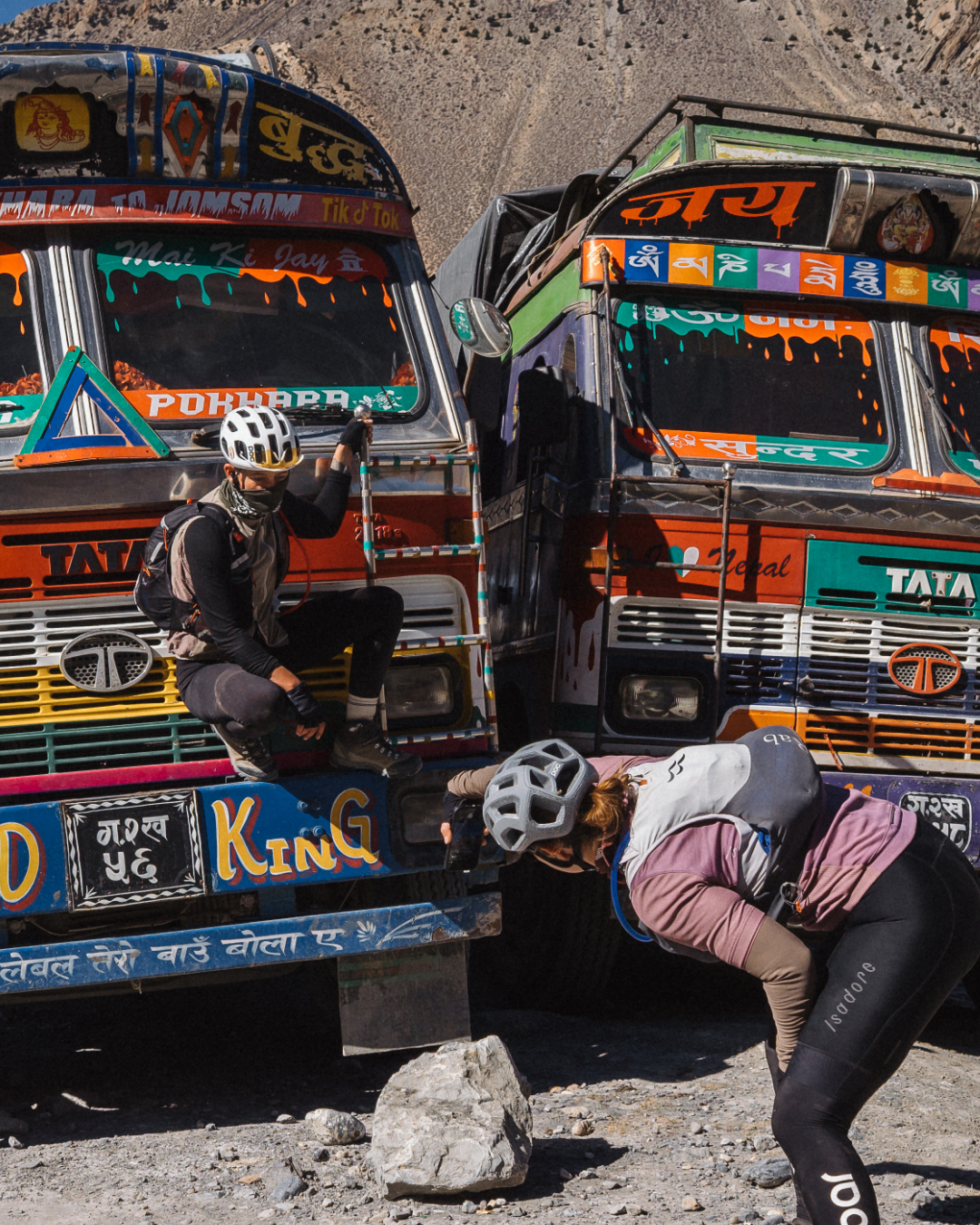
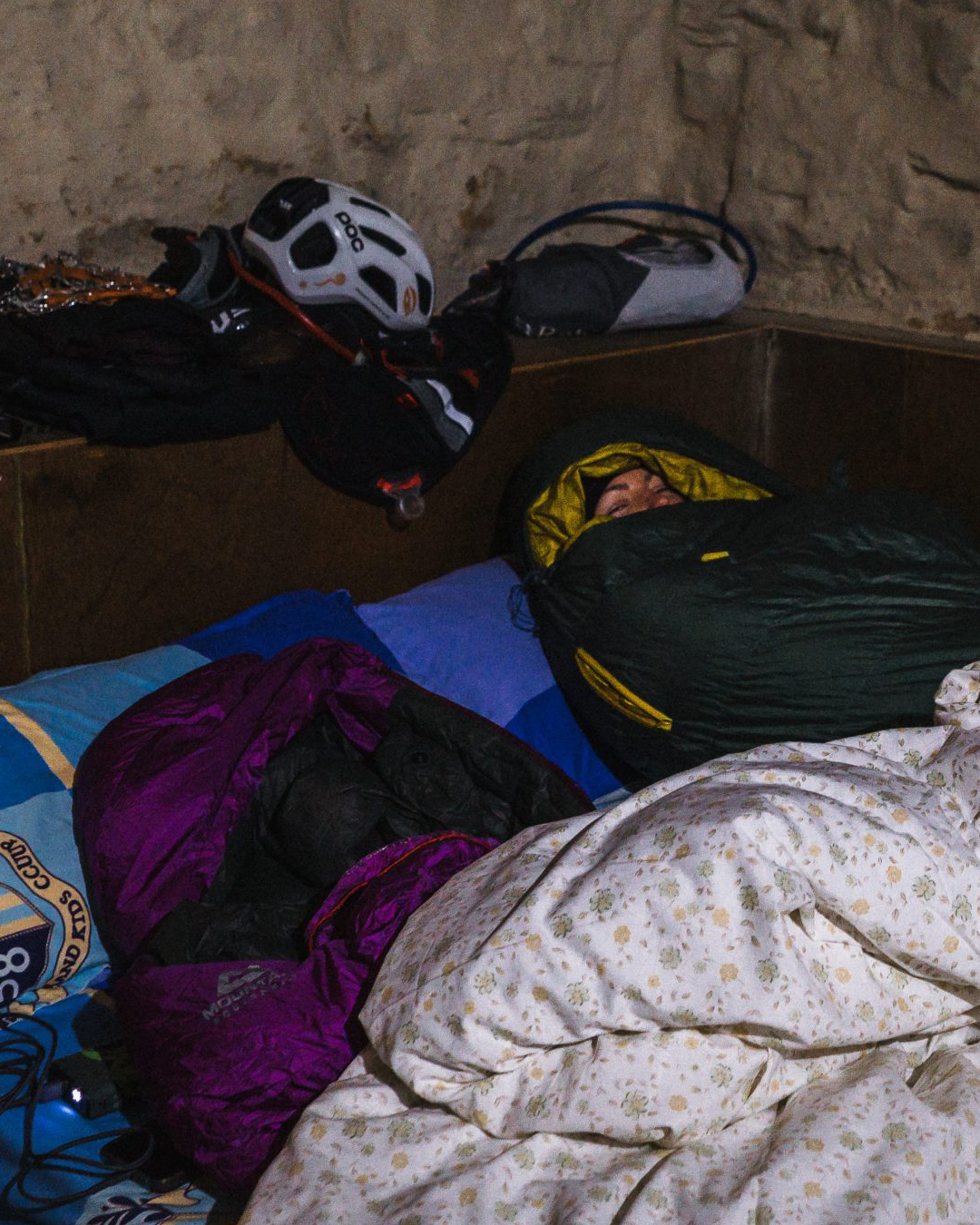
Logistically, the region was surprisingly functional. Teahouses offered hot meals, tea at 4 a.m., and a place to rest. Dal Bhat, fried rice, Tibetan bread, and the morale-boosting “pancake with Nutella” kept calories coming. Locals were welcoming, practical, and unfazed by bikes, just another thing passing through alongside trekkers and pack animals.
Mechanical issues happened, but nothing catastrophic: a brake bleed solved by chance encounters, a bike knocked over by ponies, one single flat tire in two weeks. The bikes held up. The altitude didn’t destroy them, it simply reminded everyone how dependent you are on luck.
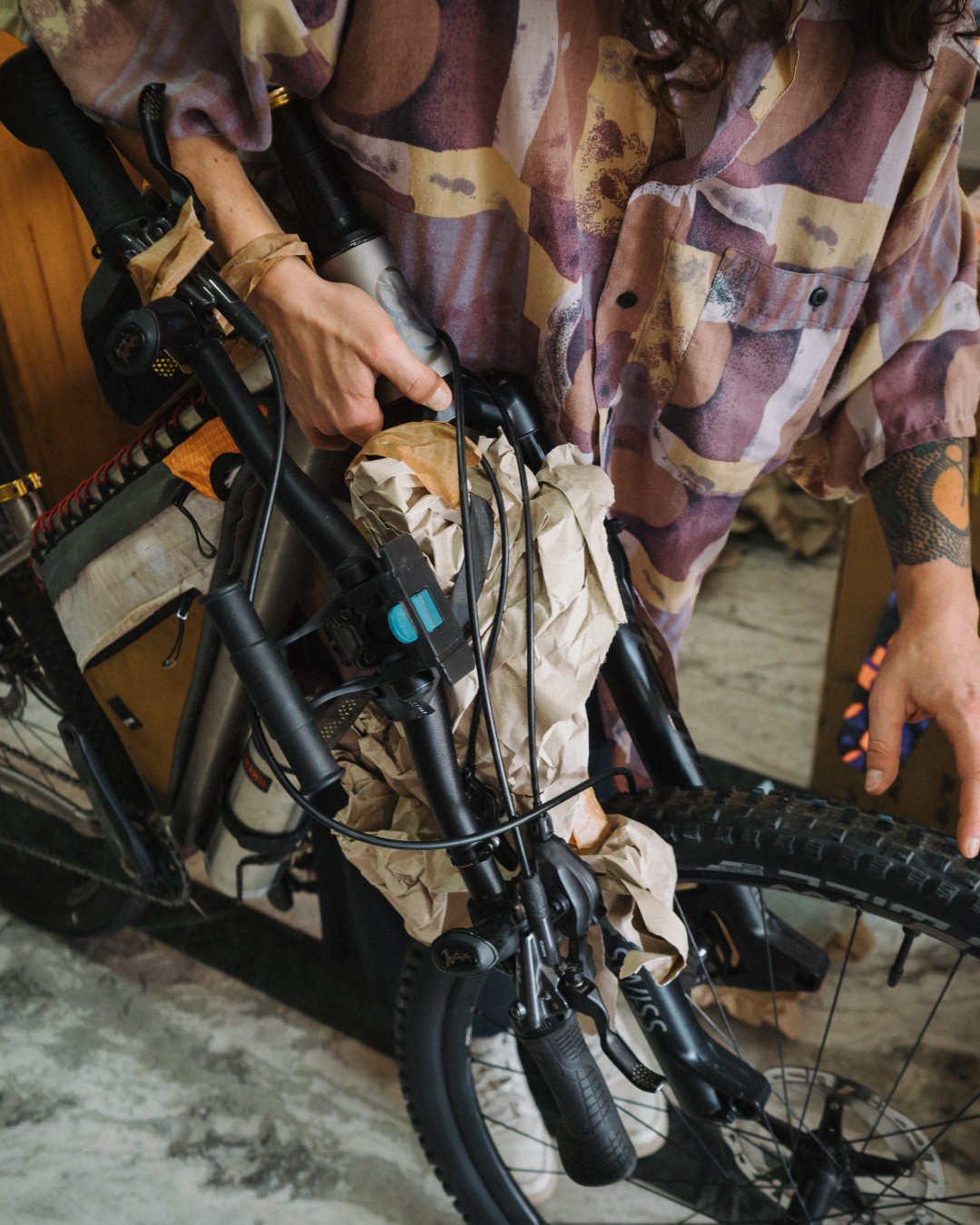
In the end, it wasn’t the kilometers, the elevation, or even the suffering that defined the trip. It was the quiet moments, when the mind shut off, the body took over, and the mountains enforced total presence.
The Annapurna Circuit wasn’t about conquering anything. It was about accepting limits, respecting the environment, and realizing how small everyday worries become at altitude. Perfectly equipped thanks to careful preparation (and one down jacket too many), the journey unfolded exactly once.
And honestly? As extraordinary as it was, this is a once-in-a-lifetime experience.