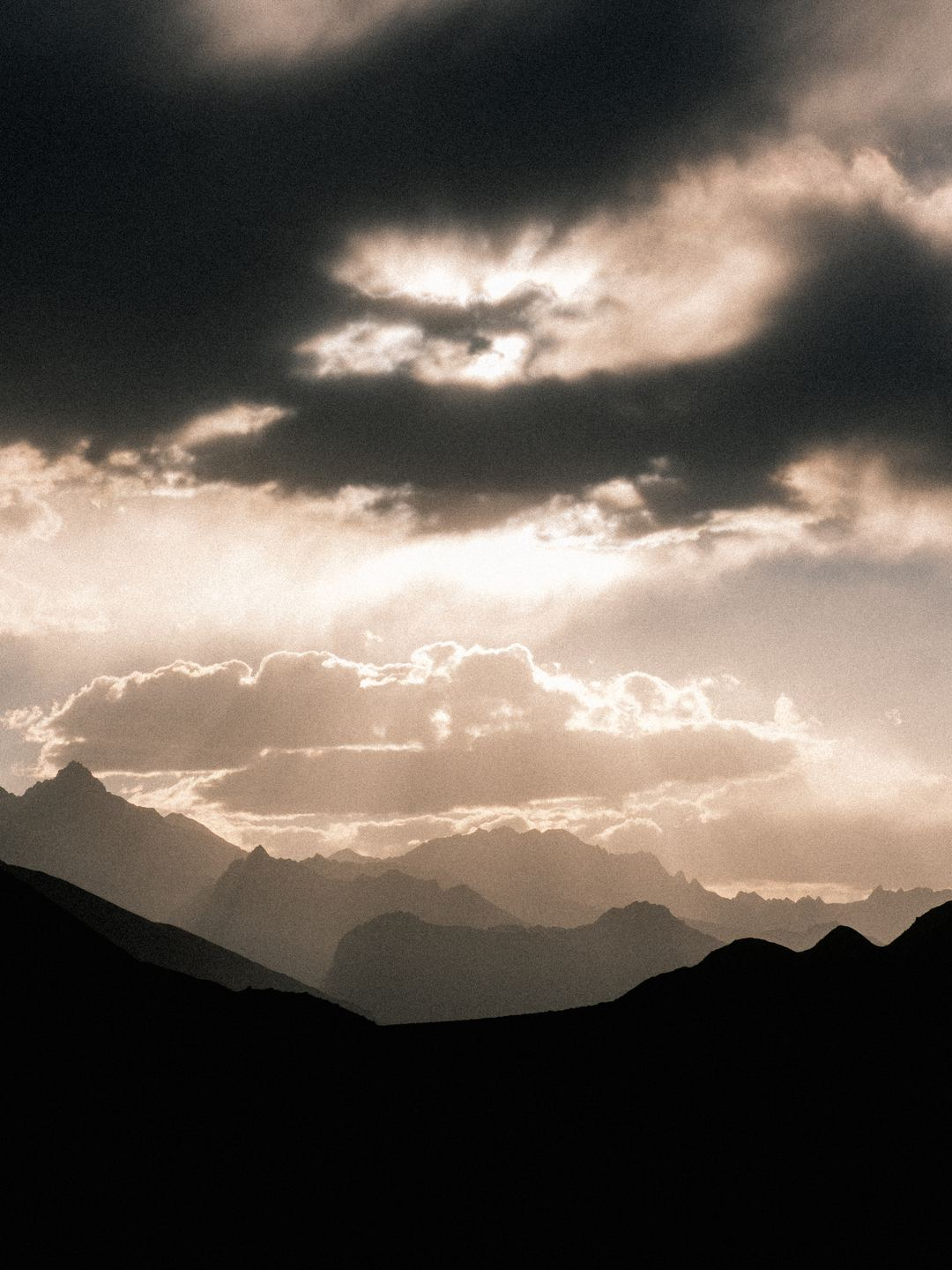
From the Tatras to the Himalayas
Cycling feels like the best way to discover a country. It’s also the best way to discover a continent. Or two. For me, it started with cycling through my living room.
Words and photos by Bernard Mitura.
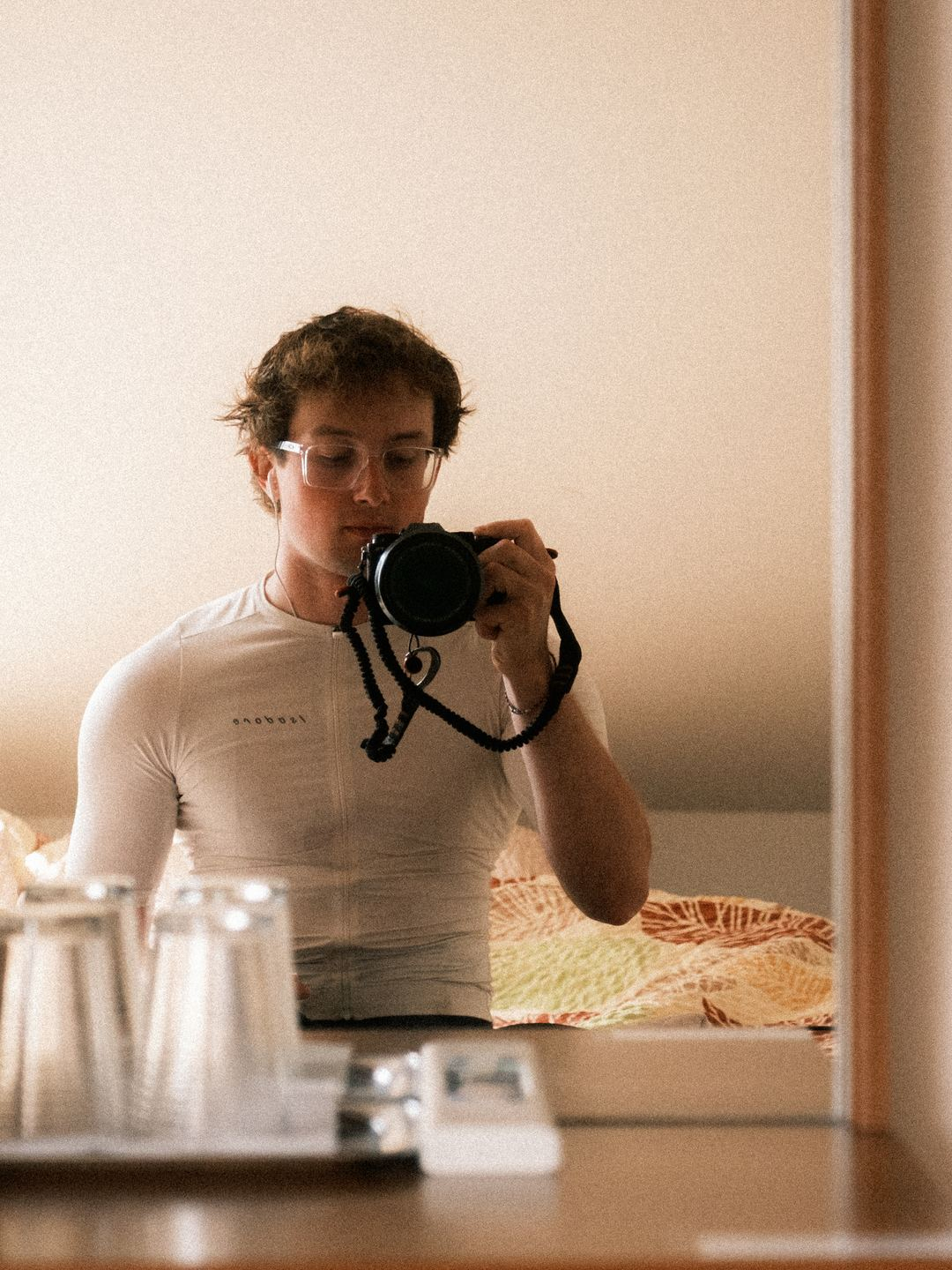
March ’26. I tore my ACL while skiing a tad too fast in a couloir. April ’26. Surgery. Left hospital with a new ACL and a pair of crutches. May ’26. Riding on Zwift is boring, but it’s the most fun I’ve had in weeks. I don’t know how much I rode, but I finished The Sopranos on a stationary bike. June ’26. Bought the bike. Life’s better with a bike. July ’26. Packed the bike. Headed east.
I’d always dreamed of a big adventure, and the gap year seemed like the best time for it. A big adventure like climbing an unclimbed mountain deep in the Karakoram, crossing a desert, or exploring Antarctica. An injury left me with limited options. Actually one option. A bike.
I decided to cycle somewhere far away, somewhere I didn’t know much about. For social media and my Polish audience, I wanted a catchier title. That’s how the project, Hello, I’m Bernard and I’m cycling from the Tatras to the Himalayas, was born. I had no exact destination. I wanted to cycle somewhere far, pitch my tent next to a big Himalayan peak, take a couple of minutes to enjoy the view, and come back. That was the general idea. Apart from that, I had no idea how to execute the trip. I’d never been bikepacking, nor had I cycled outside my living room.
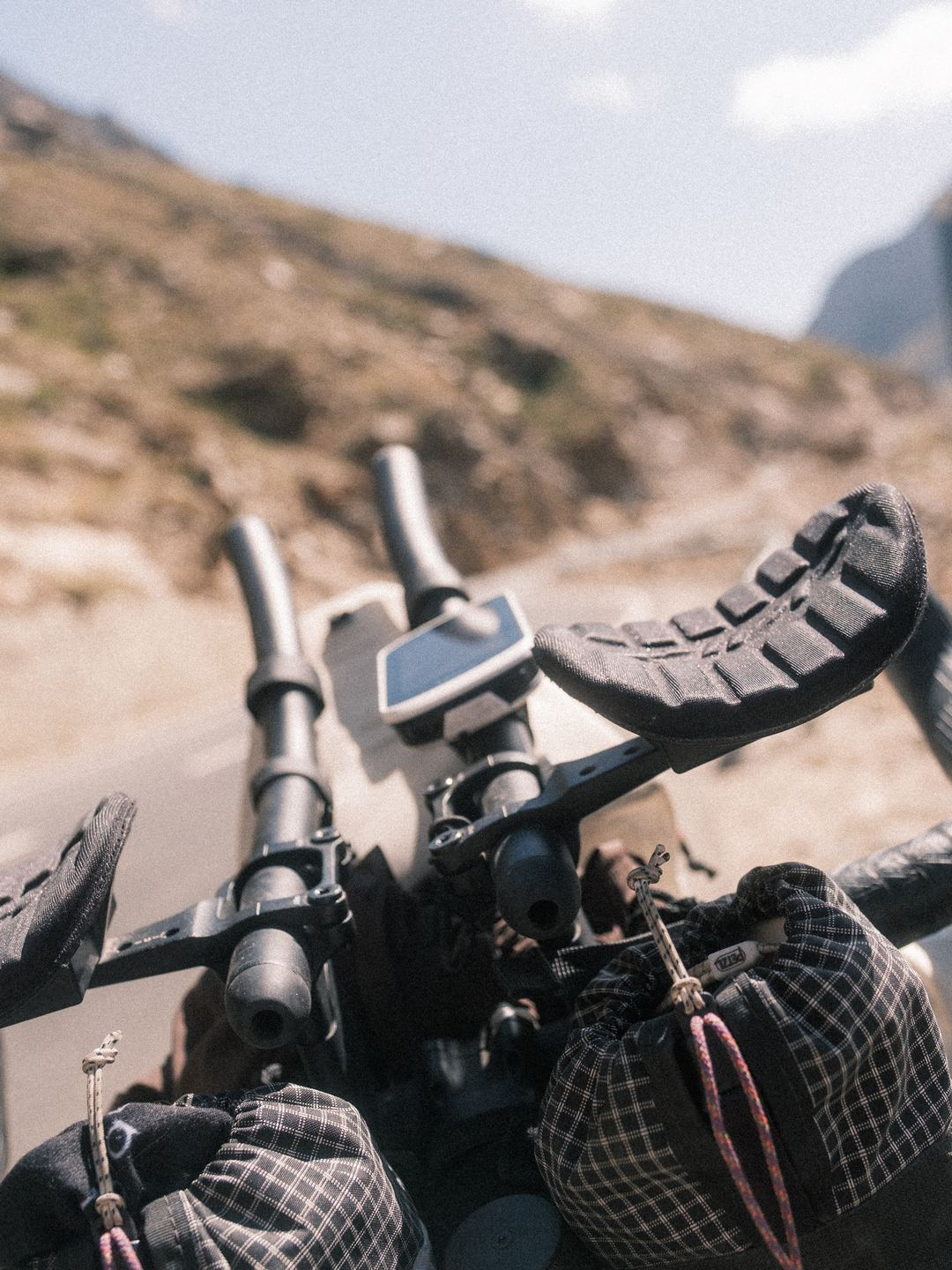
On 9 July, I packed my bike. A tent, a sleeping mat, a sleeping bag, and a stuff sack as a pillow. A repair kit I didn’t know how to use. A camera that proved too heavy for daily use. Cargo Bibs, Distance Bibs, and two jerseys. Two jackets, two pairs of headphones, and shorts for sleeping, hiking, and everything off the bike.
Road to Istanbul
It turns out bikepacking isn’t that complicated: all you have to do is cycle east and top up on food and water once in a while. It’s made easier by the generosity and kindness of the People of the Road: truckers, families driving to their holiday spots, roadside shop owners, and locals commuting to work on rusty single-speeds. A smile gets you a long way, and a friendly wave might lead to an interesting conversation and tea.
I said goodbye to my girlfriend and started the trip at around 1 p.m. on a Thursday. It didn’t feel like the beginning of a big trip. There were no planes, hectic airports, or trains.
My dear friend Kuba offered to ride with me for the first 70 km. Solitude is great, and I was craving a solo adventure, but I really appreciated those first 70 km with him. We rode from the Polish Tatras into Slovakia, enjoying music from countryside radios and countless flocks of sheep. And then the solo adventure started.
Day 2: Hungary. Day 3: Romania. Day 4: still Romania, but hillier, and so on. I aimed to cycle around 150 km a day. I had no final destination, but I had a deadline. I had to get back for university by mid-September.
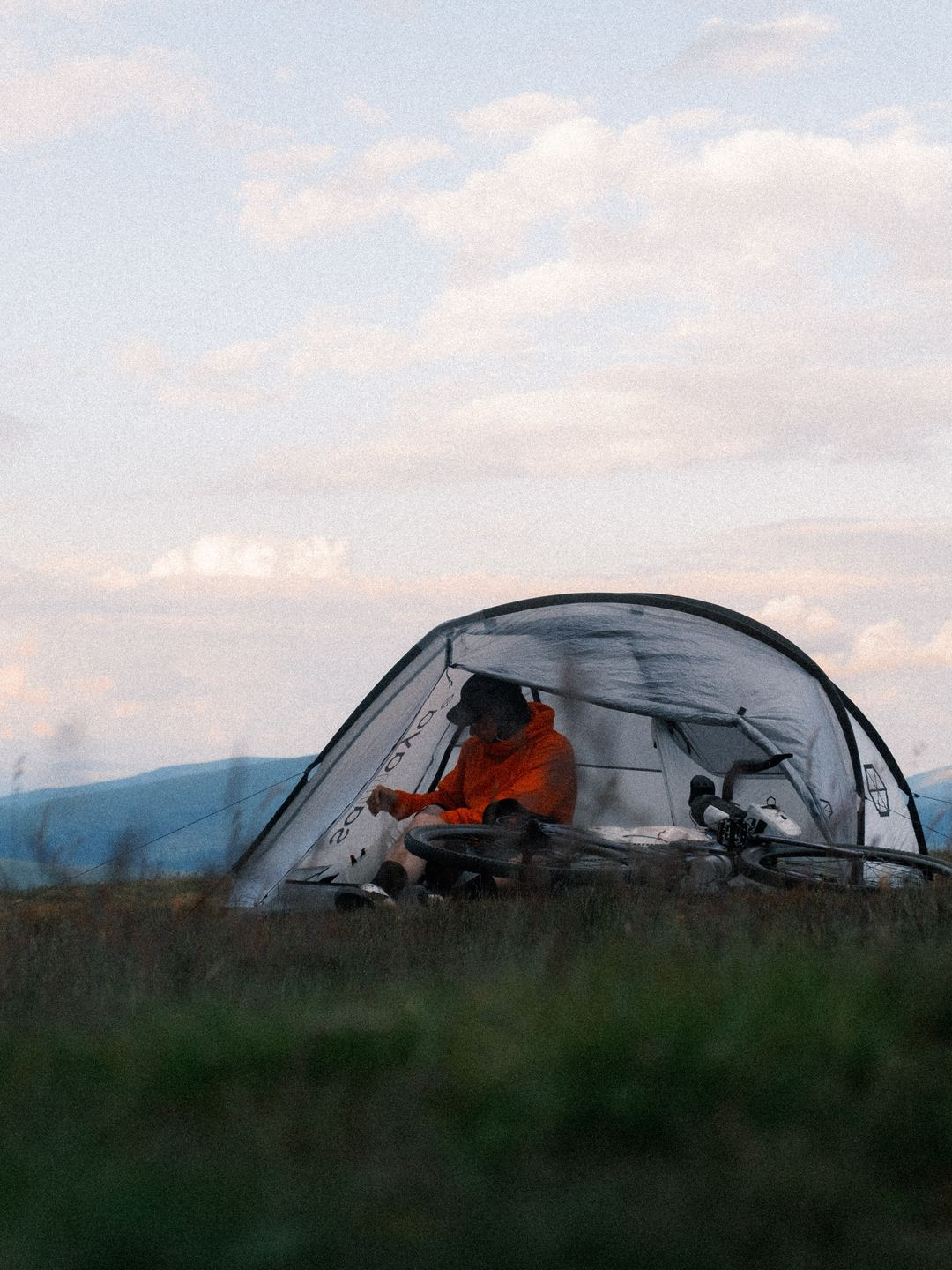
My first big climb was up the Transalpina, a much less crowded route through the Romanian mountains. I was beginning to get used to bikepacking. I pitched my tent on a 2,000-metre pass, cleaned myself and my chain with wet wipes, and had some bread and camembert for dinner. Camembert lasts just one day in a pannier; brie lasts two, but it’s harder to find in countryside shops in Eastern Europe. The next morning brought the biggest descent of my short cycling career. I was falling in love with bikepacking.
Unfortunately, I missed the ferry at the Bulgarian border. I watched a World Cup match on my phone from the bank of the Danube. The following day, I was finally on time, but the ferry stayed on the other side for hours. It was the first really hot day of the trip. The tarmac was melting, and so was I. Little did I know how much more heat lay ahead.
Bulgaria was the last place where I used Komoot for route planning. It led me through an unusual landscape: tens of empty or half-empty villages and petrol stations being reclaimed by vegetation. And there were thousands of obituaries: on every lamppost, well, and tree. For a minute or two, I thought I’d arrived on a post-apocalyptic film set stretching for hundreds of kilometres. As in many Eastern European countries, migration to larger cities and abroad in search of work, education, and better living conditions has left the countryside empty. But what about the obituaries? I soon found the answer while chatting with locals at an ice-cream stand. As we ate rapidly melting vanilla ice cream, they explained that in Bulgaria, funeral notices are commonly displayed for forty days after someone dies and on each anniversary. I wanted to stay longer, but we finished our ice cream, which meant it was time to get back on the bike.
Then, a blue road sign: Istanbul, 220 km. Then another: 200 km, then 190 km.
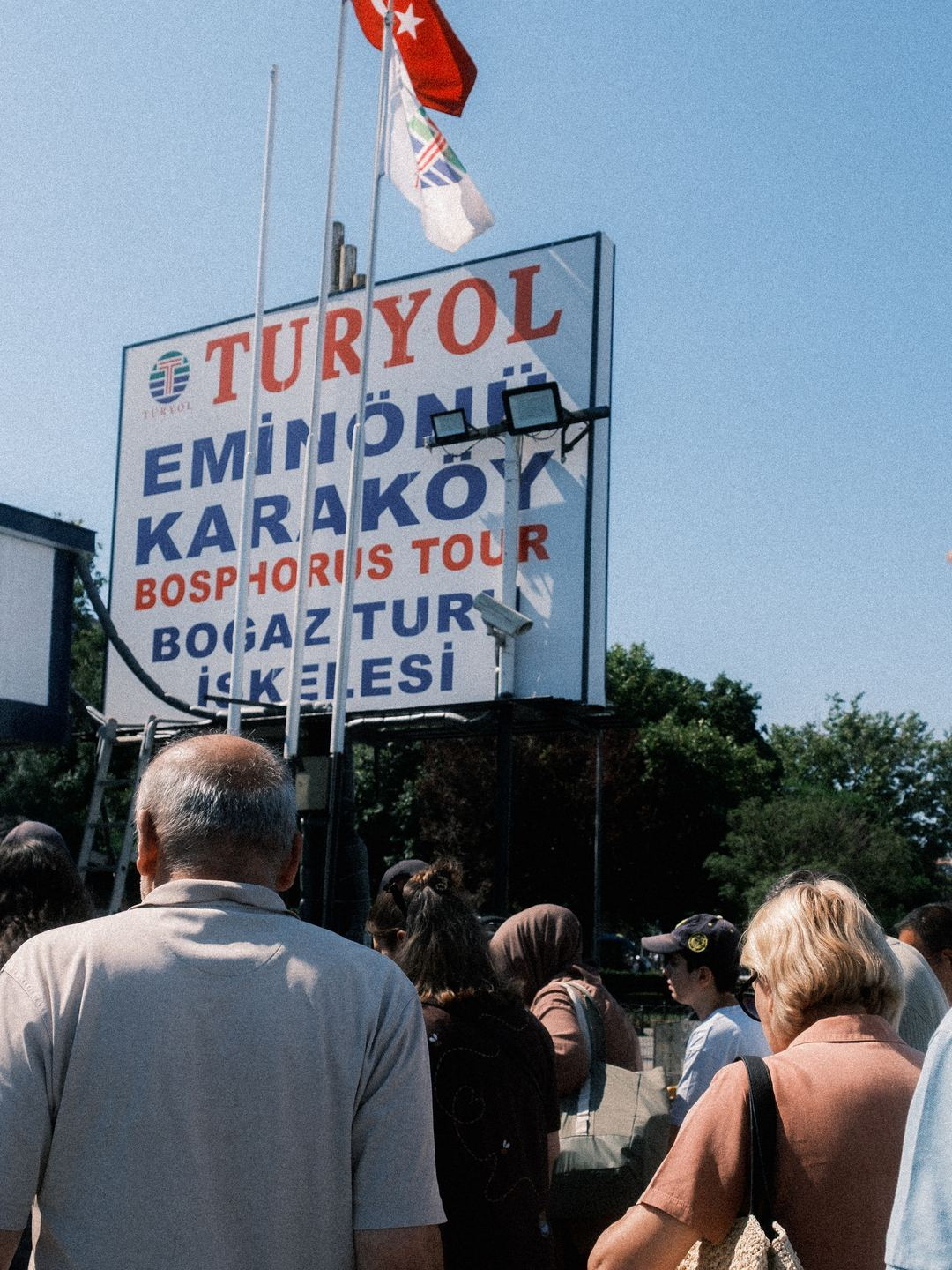
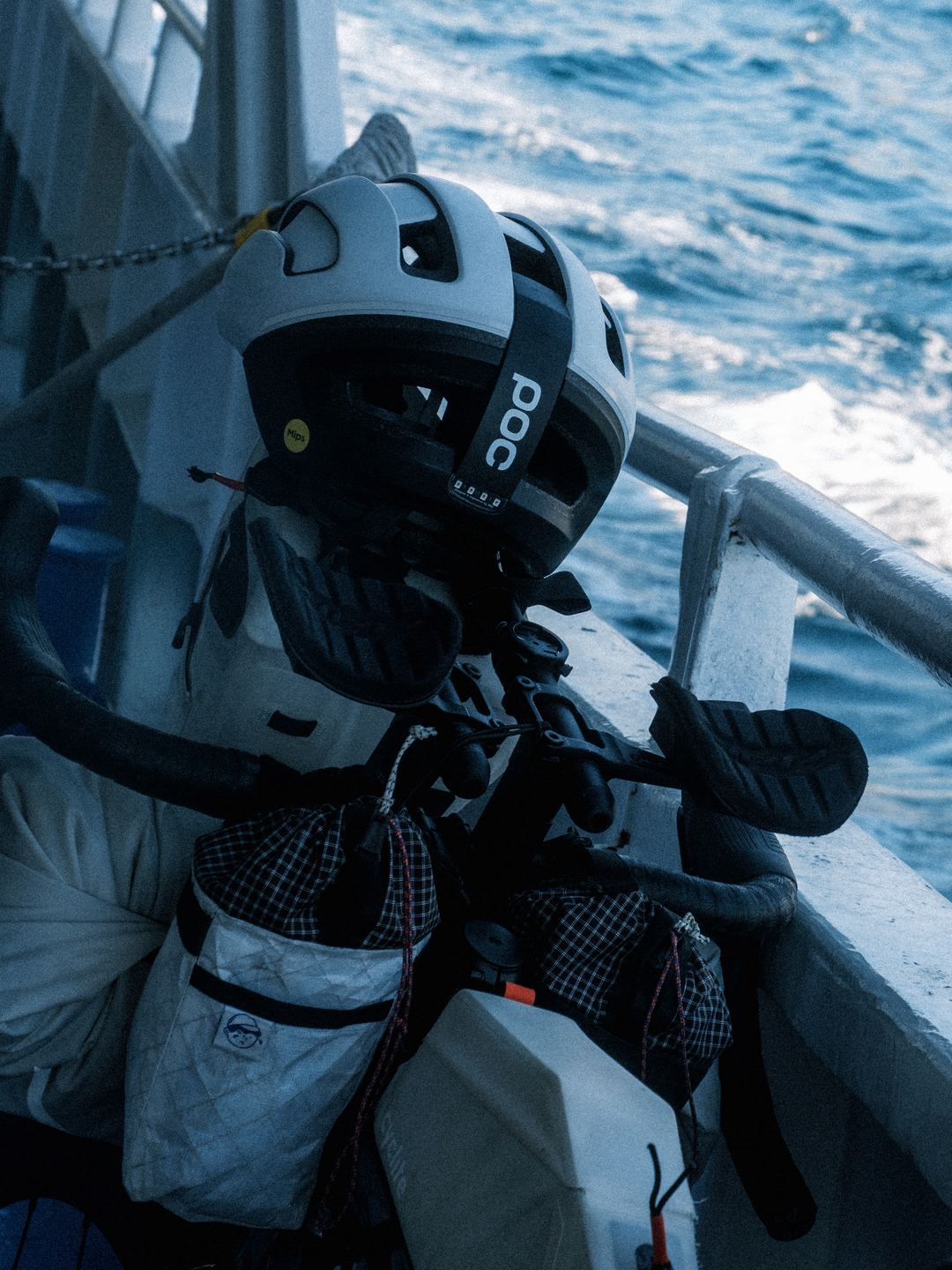
Ten days earlier, I thought I’d ride to Istanbul, figure things out along the way, and then, once I got there, it would all be downhill. My optimism might have been a little too strong, but I grew used to long hours in the saddle, dialled in my sleep and eating routines, and rode east with excitement. I had two rest days in the city. I finally slept more than 4 cm off the ground and, for two days, drank proper espresso instead of petrol-station coffee. By the second day, though, the city was starting to feel a bit boring. I said goodbye to the cats of Istanbul, packed my ultralight, super-aero bikepacking bags in 30 minutes, and left for the ferry across the Bosphorus. To Asia.
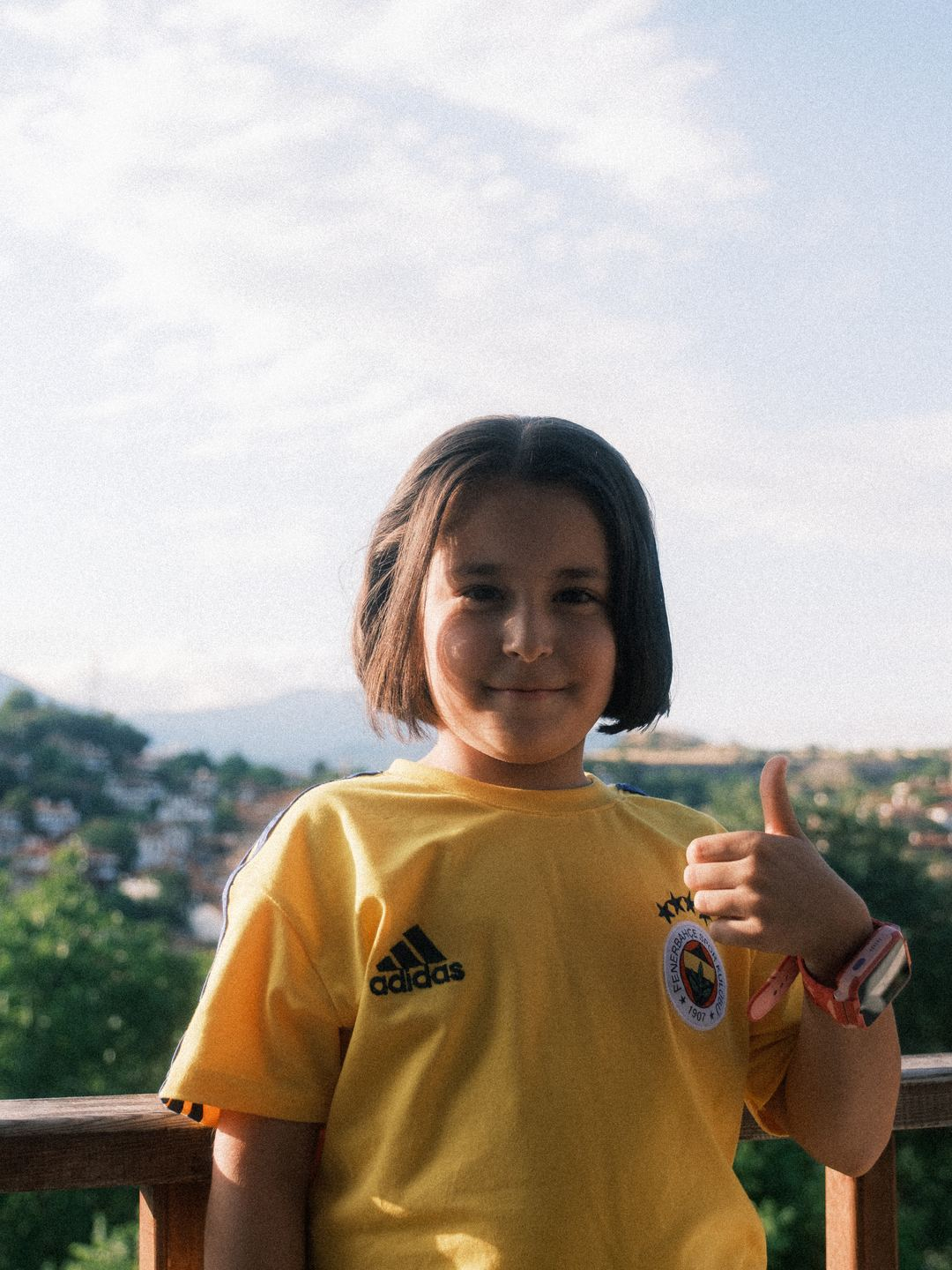
Turkey. Menemen. Khachapuri. Georgia
There are cities that are hard to travel through by bike, and then there’s Istanbul. I took the metro as far east as possible, then started cycling, only to find myself on four-lane highways, industrial dead ends, and other places that weren’t bike-friendly.
Then came the coastal road all the way to Georgia. The Turkish D010 might seem like a coastal road, but it’s so mountainous that I had multiple breakdowns and crises on its never-ending hills. In places, the coastal route involves more than 2,000 metres of elevation gain every 100 km. Funnily enough, taking a road through the mountains would mean less climbing. I left the coast briefly to visit Safranbolu, a city I knew nothing about. I enjoyed bikepacking with very little planning: I had no expectations and a lot of curiosity about what lay ahead. My senses felt sharpened. I was analysing every village and was open to trying new foods. Then it hit me: a sharp smell that followed me all day. A little disclaimer: I was hand-washing my cycling clothes every day.
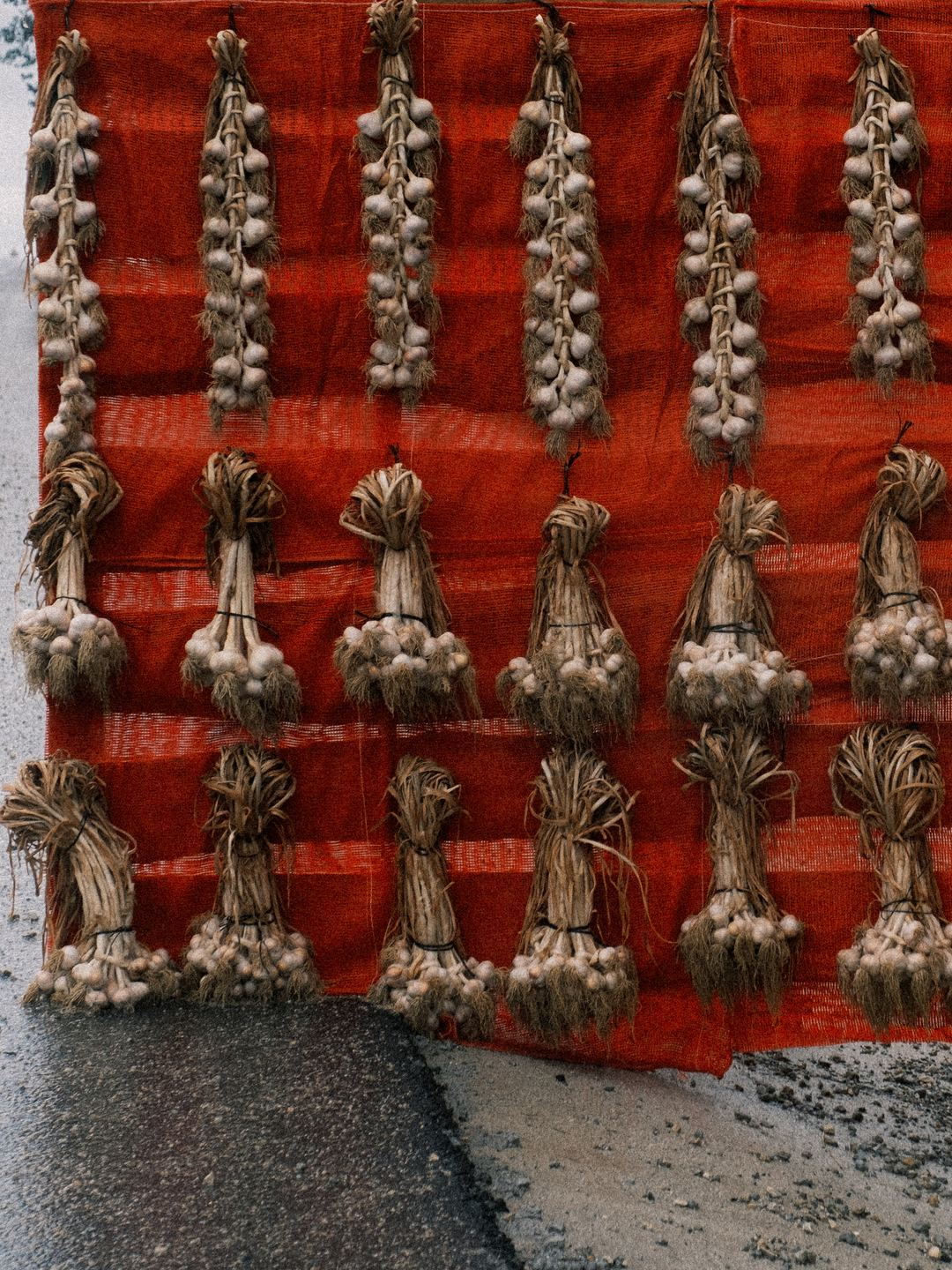
The soil around Taskopru is rich in selenium, making the area ideal for growing a special kind of garlic, which is sold along the roadside. There was a garlic stand every 200 metres, each looking much the same: a wooden frame covered with red fabric, with garlic heads pinned to it. I never saw anyone buying or selling garlic, yet the stands continued for miles and miles. Nor did I see any cyclists. The only logical explanations were money laundering or vampires, but the language barrier kept me from confirming the latter.
After the garlic-infused expressways, the routine was simple: gas-station breakfast, çay, gas-station ice cream, çay, and so on. Here, çay is offered as a gesture of hospitality. Not many people here speak English, or perhaps the fault is mine, since I don’t understand Turkish. Turkish tea becomes a way to carry on a whole conversation, with smiles and sweets along the way.
The week that followed was quite uneventful.
Day 18: Slept under a bridge; camping was too expensive.
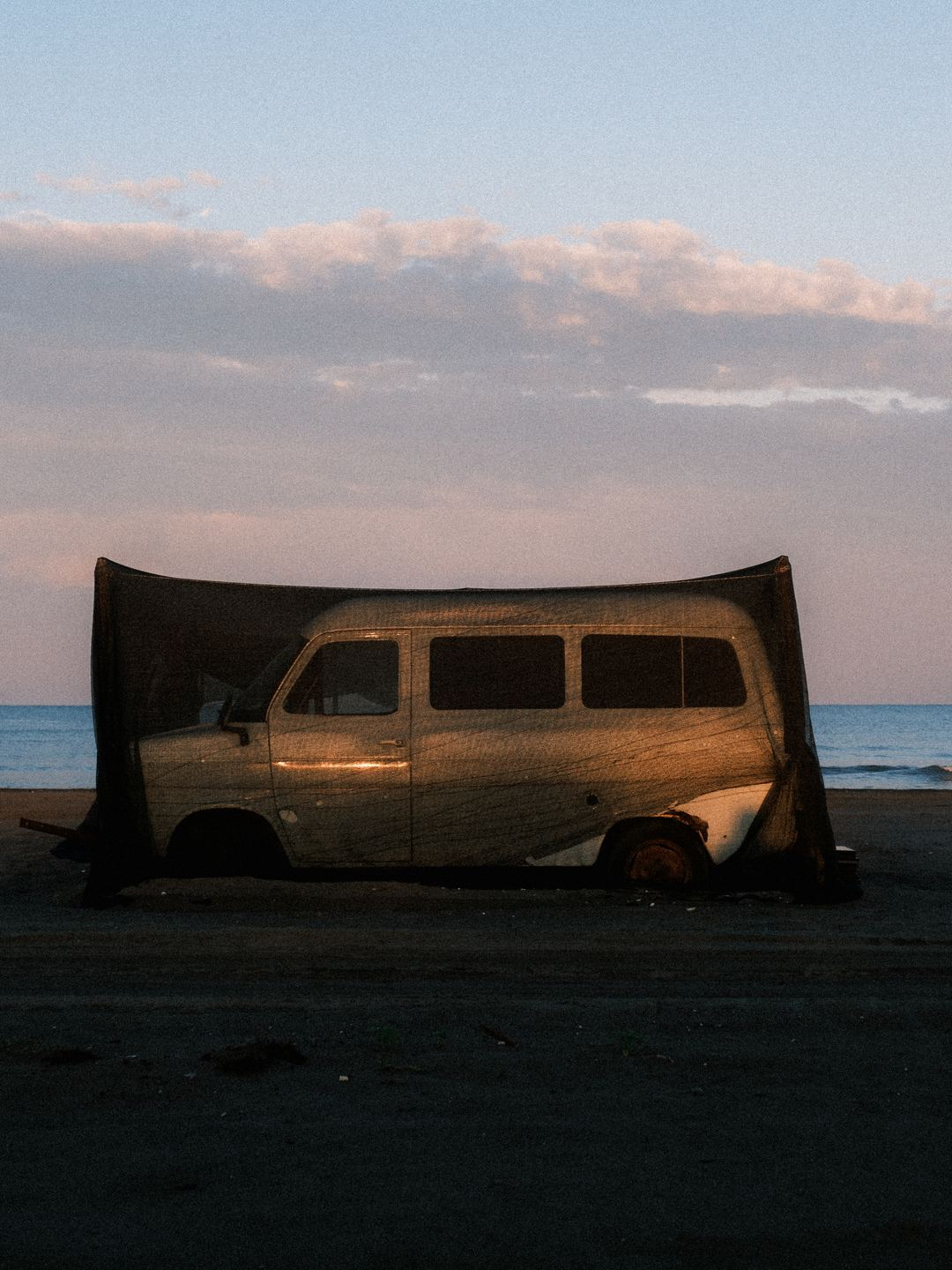
Day 19: Pitched my tent on a beach.
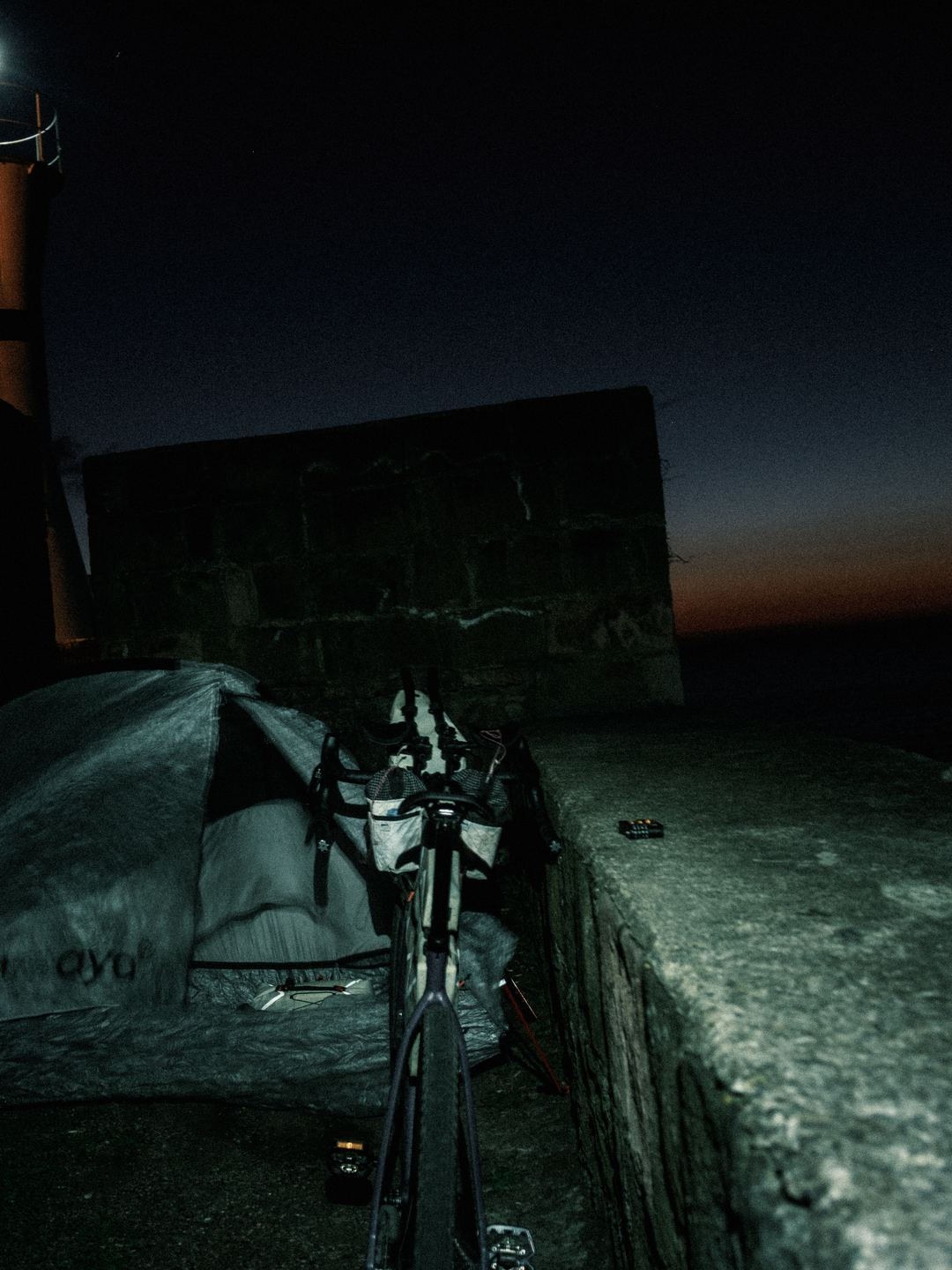
Day 20: Slept inside an old coastal fort and finished The Count of Monte Cristo. I couldn’t have asked for a better reading spot, though a better pillow would have been nice.
Day 21: Had menemen for breakfast, took a shower, and rode 242.58 km.
Day 22: Texted my mum, “I’m in Georgia.”
Day 23: Got wine-drunk in a vineyard and had khachapuri for dinner.
Day 24: Took a plane from Tbilisi to Aktau, Kazakhstan.
The Deserts
Bikepacking style is subjective. As much as I wanted to preserve its spirit and keep my bike on the ground, border policies dictated otherwise.
I believe in cycling as long as it makes sense. In the summer of 2026, a short transit through Russia made no sense to me, and I didn’t want to travel there. The route through Iran and Turkmenistan would have meant no internet access and posed huge logistical and financial challenges. The border with Azerbaijan was closed, so a ferry across the Caspian Sea was also off limits.
With all the geographical options off the table, I took a plane across the Caspian Sea to Aktau, Kazakhstan. The landscapes suddenly shifted from the Caucasus to the arid deserts of Central Asia.
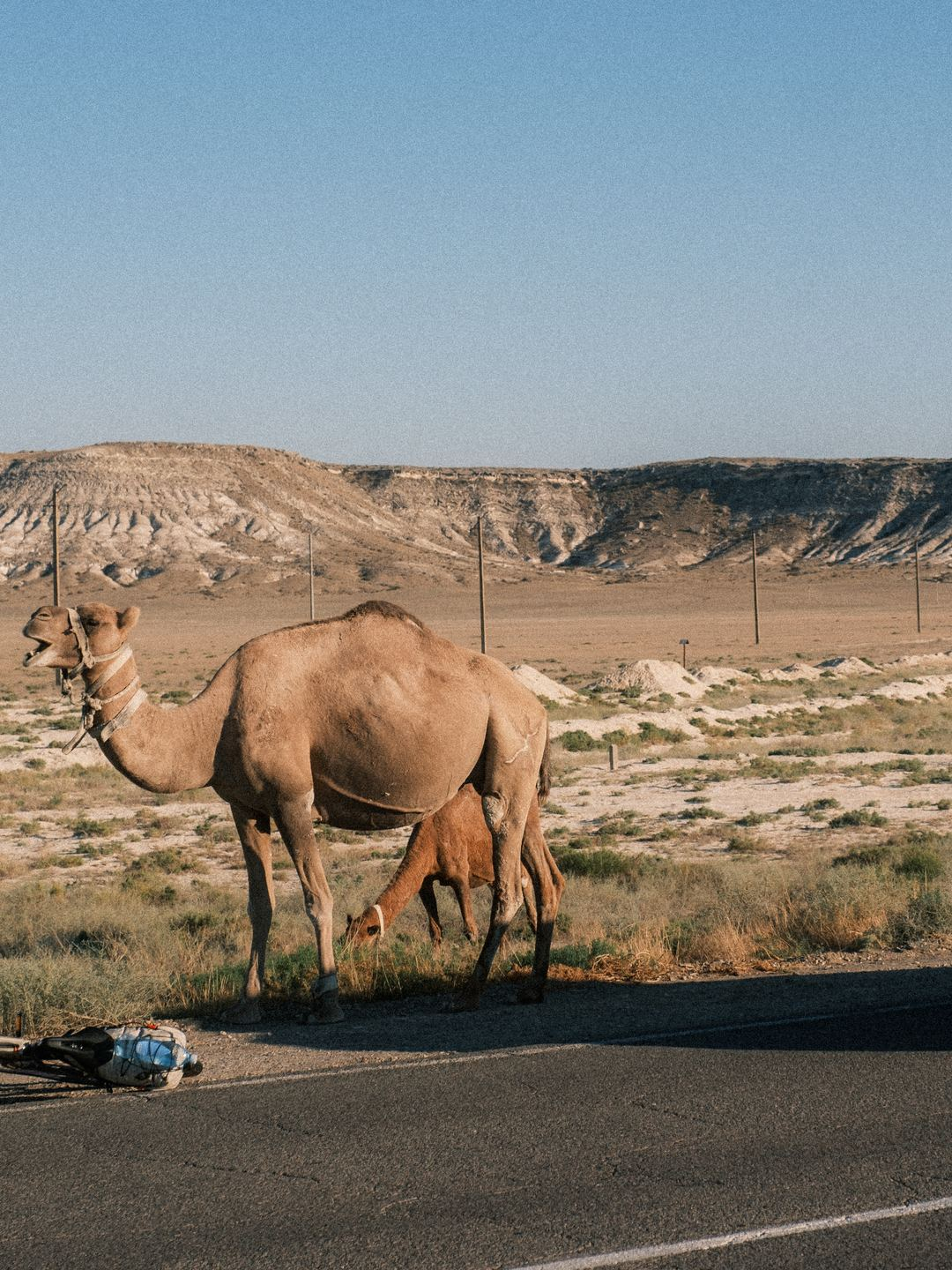
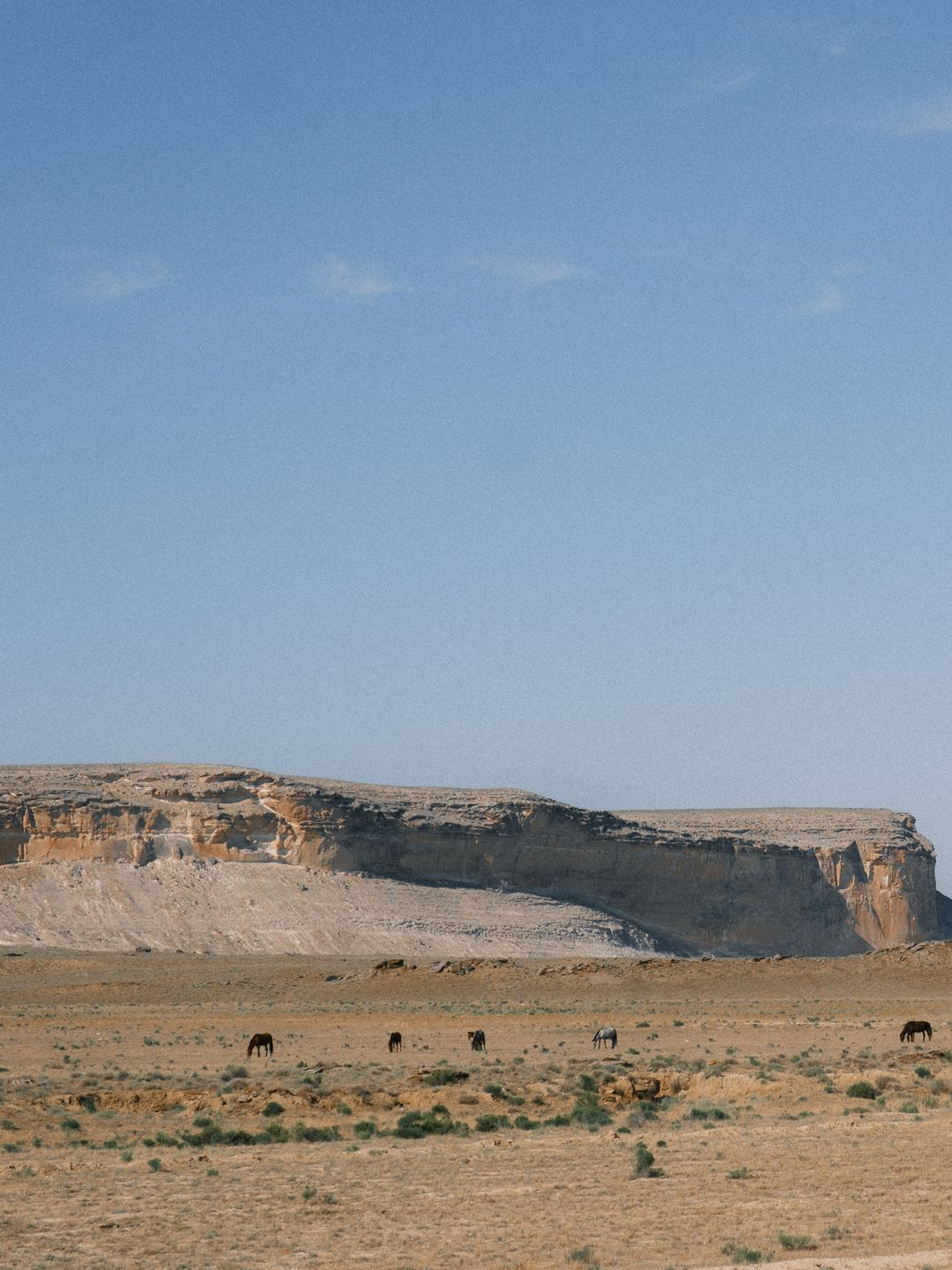
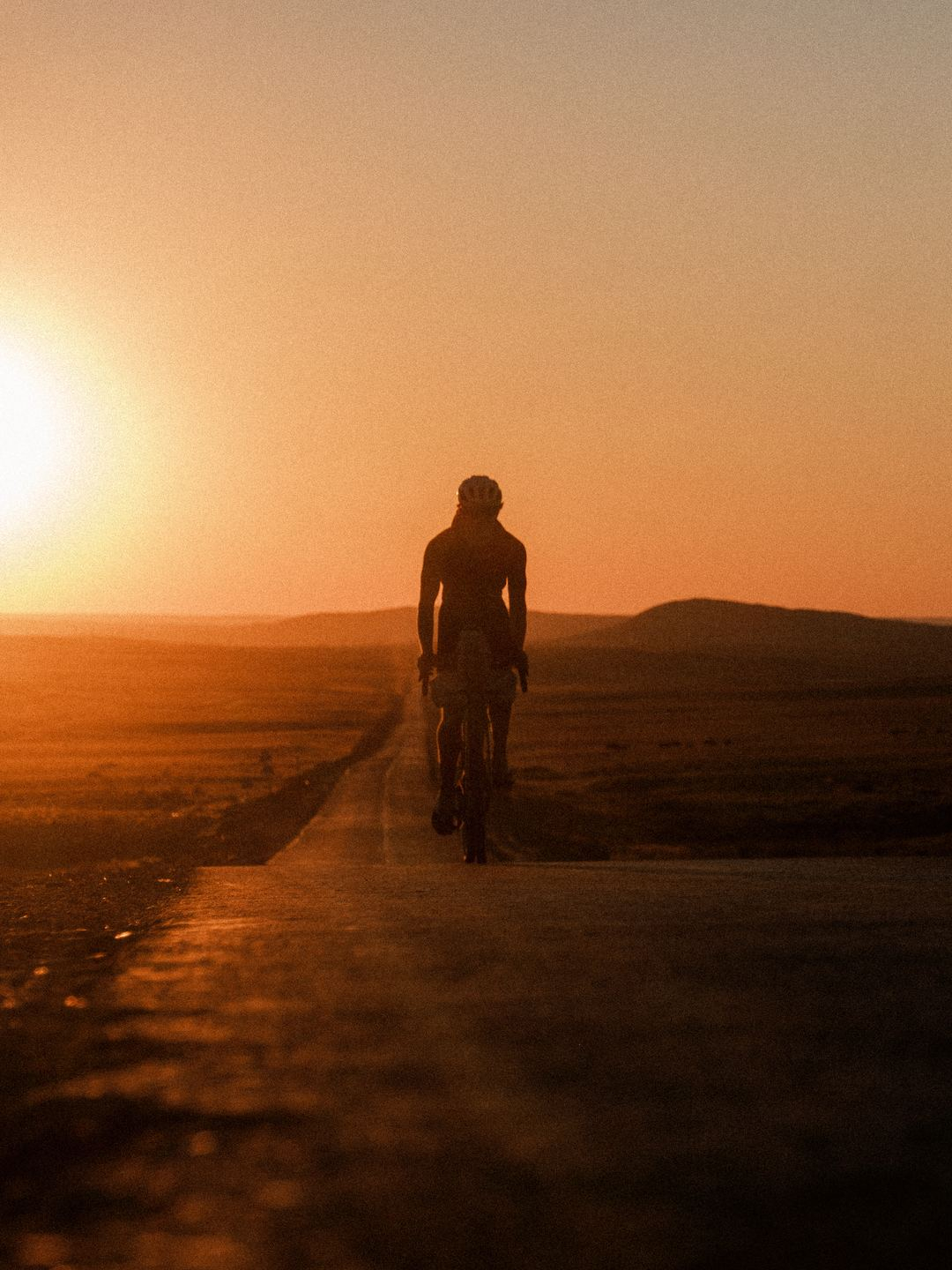
It was finally flat. It was windy, hot, and remote. That meant giving up some aerodynamic gains to carry an extra bottle of soda and two more litres of water. There were no People of the Road anymore, only camels. Resupply points were few and far between, as if they were designed for camels. Still, I enjoyed the endless tarmac and beautiful rock formations on both sides. Riding 200 km a day was surprisingly easy in the Kazakh desert. Sometimes, to escape the heat, I rode through the night.
It’s a strange thing to be alone with your thoughts for hours on end, but it can also be wonderful if you let it.
One memorable night was the one between Days 27 and 28. It wasn’t possible to cross into Uzbekistan from there by bike or car. But an old train ran through the desert, connecting western Kazakhstan with Nukus. As it was the only connection, tickets sold out weeks in advance. For many cyclists in Central Asia, this was a major crux of the trip. Some were stranded in the little town of Beyneu for days; others abandoned the idea and travelled thousands of kilometres east on Kazakh railways to other border crossings. It was the main topic in Silk Road WhatsApp groups.
I couldn’t get a ticket online; the train was sold out for the next three weeks. Some people said station clerks might still be able to get you a ticket. I tried. No luck.
So I decided to push through another 230-kilometre day to reach Beyneu and somehow get onto the mythical train. I bought a pack of cigarettes and took extra cash for the ticket. Cycling through the desert at night was surreal. I occasionally turned off my headlamp to stare into the night and admire the sky. The temperature dropped to 28°C, making it much more pleasant to ride. I arrived in the little border town at 2 a.m., bought snacks for a journey I hadn’t known I’d be taking, and headed to the station. With my less-than-ideal Russian and Google Translate, I memorised a short speech for the train conductor. Then came the military and the border police. They didn’t seem interested in hearing my pleas. They argued about my bicycle. I knew the word “velosiped,” but that was about it. Suddenly, one of them guided me to the end of the train, shoved my bike inside, and sat me in a conductor’s compartment. After an hour of discussion, I gave him cigarettes, and we became best friends for the next stretch of the desert.
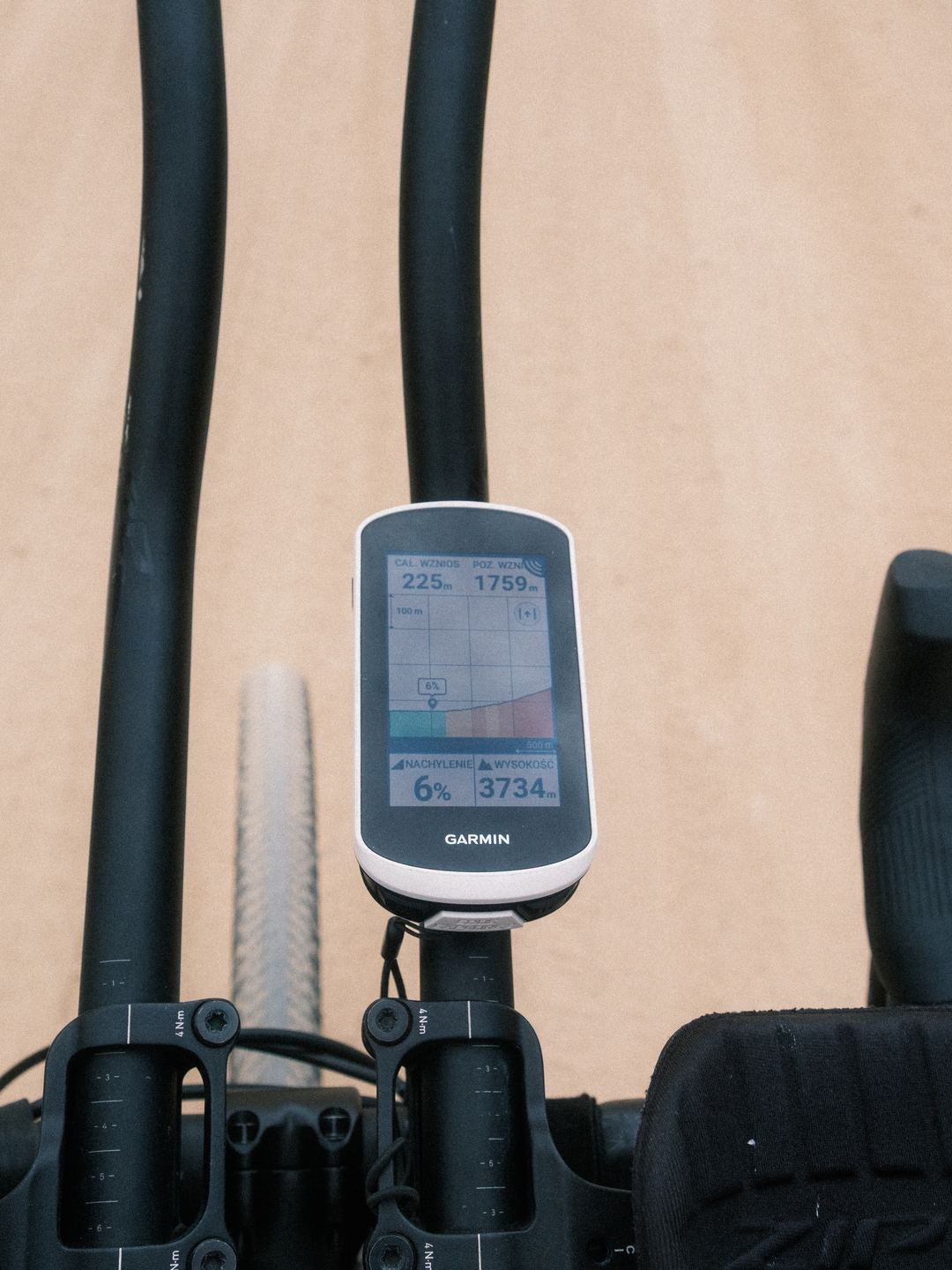
I woke up in Uzbekistan. After visiting an ATM, I became a millionaire and found some unexpected bike lanes. It was hot, but resupply points were less scattered than in Kazakhstan. By resupply points, I mean chaikhanas. A chaikhana is more than just a place to drink tea; it’s a traditional community gathering spot, like an old-fashioned village common room. People go there to rest during their journeys, escape the midday heat, play backgammon, share news, and eat lamb shashlik, pilaf, or fish from the nearby Amu Darya. The tradition dates back centuries, long before merchants travelled the Silk Road.
After a few days, I was sold on the idea of chaikhanas. I wish we had them in Europe.
The next crux was the Kyzyl-Kum Desert: arid, desolate, and uninviting, yet strikingly beautiful. It’s amazing how much a desert landscape can change. You might think it’s nothingness, followed by sand and more nothingness. On this stretch, I got some help from a convoi exceptionnel travelling at exactly 43 km/h. It became a perfect wind tunnel. The kilometres on my bike computer ticked by at the speed of light. For the next 120 km, I rode just a few metres behind, careful not to get dropped.
Maybe cycling in a peloton wasn’t so hard, I thought. Unfortunately, unlike peloton pro riders, I had no support team, and after I ran out of water, I had to let the truck go. I waved to the driver and police escort, then watched the lights of the legendary Silk Road city of Bukhara on the horizon, marking the end of the desert. My face and arms were black from diesel fumes and the relentless sun. I was happy. This wasn’t how I’d imagined bikepacking, but I believe every cyclist has the right to go out there and create their own definition of it.
Mine wasn’t very picturesque, and I had to scrub my white bags hard that night. But, gosh, it was so much fun.
For the next month, I followed more or less the Silk Road, passing through Samarkand and heading towards ancient Kashgar. It was time for the mountains.
The Mountains
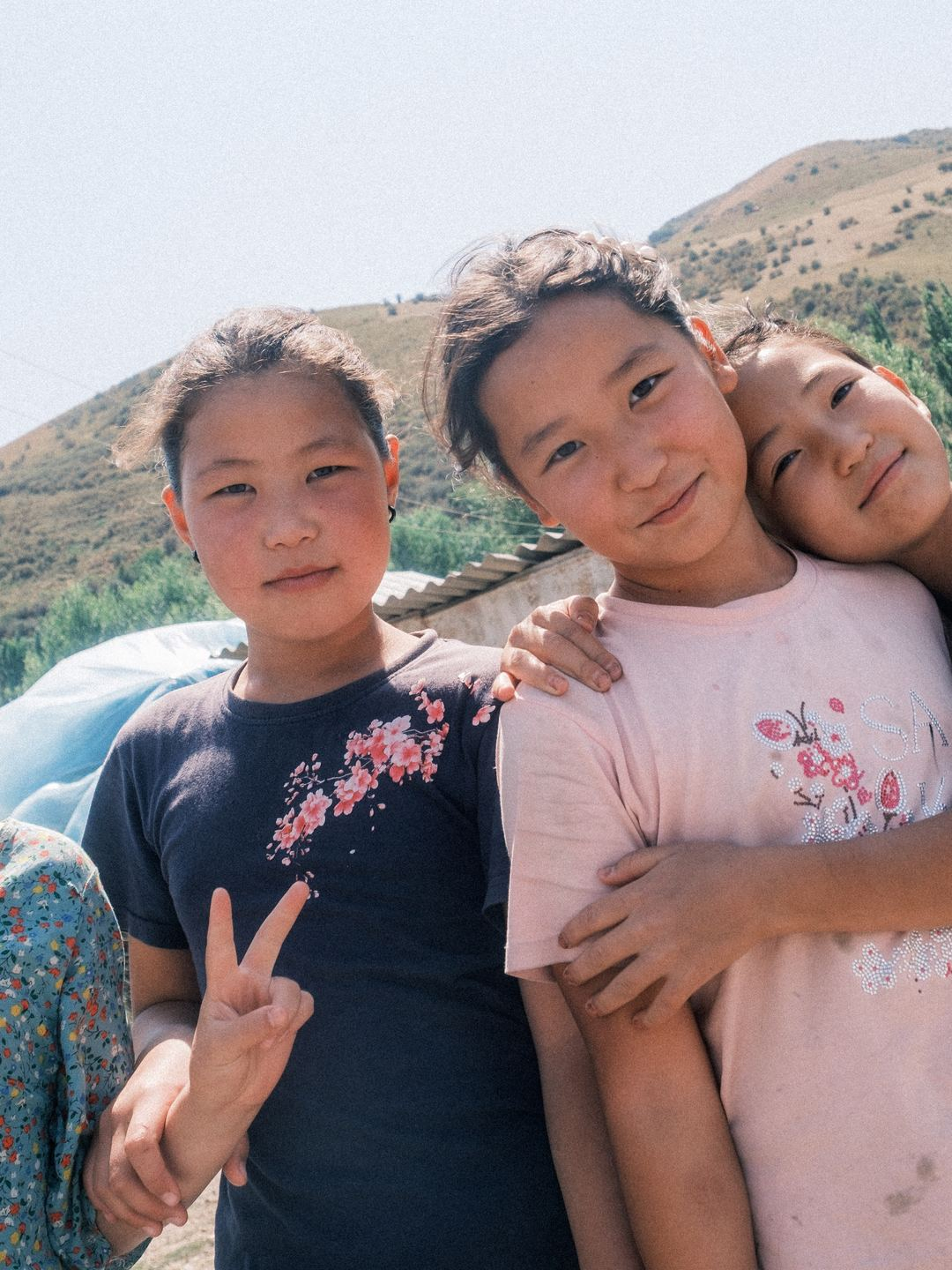
I’d been to Tajikistan before. I knew I could expect generosity, the tastiest watermelons on earth, and striking mountains. Cycling there exceeded my expectations. People have such a capacity for generosity and hospitality. Maybe I became too focused on maintaining my average speed, and the road decided to slow me down. Anyway, I ate fresh fruit with farmers and shepherds, filmed TikTok videos with kids in passing villages, and practised my Russian. By the time I left, I could hold a conversation for at least three solid minutes, as long as it was about bicycles and the countries I’d ridden through. It might have seemed shallow, the same basic conversation over and over, but each interaction was filled with curiosity and warmth on both sides. The bicycle was just an excuse. The journey was about those talks, gentle waves from the roadside, and people whistling through the fields, greeting one another, and smiling as we parted ways for good. The bicycle is an excellent excuse for that: it deepens the experience while still allowing you to travel relatively fast.
Two days, one tunnel, and three full watermelons later, I was back in Uzbekistan.
On the horizon were the mountains of Kyrgyzstan, the last familiar country before China and the Karakoram Highway.
I crossed into Osh in a long queue of locals. These borders are always a surprise. Sometimes you’re treated as a vehicle and can squeeze in between trucks; other times, you have to dismount and use the pedestrian crossing. Sometimes even the guards enforcing the rules seem confused. Or curious. It often goes something like this: “Where do you sleep? Do you have a tent? Really? Where? It fits? Where are you from? Why are you cycling?”
I used to think I wanted a big adventure. It turned out that I’d fallen in love with cycling, not just the riding itself, but life on the bike. That wasn’t a satisfactory answer for the guards. There was usually a grimace on their faces; sometimes they smiled, with pity hidden behind their eyes. I’d often let them take my bike for a spin around the post. It wasn’t enough to make them fall in love with cycling, but the grimace always disappeared.
So why am I cycling?
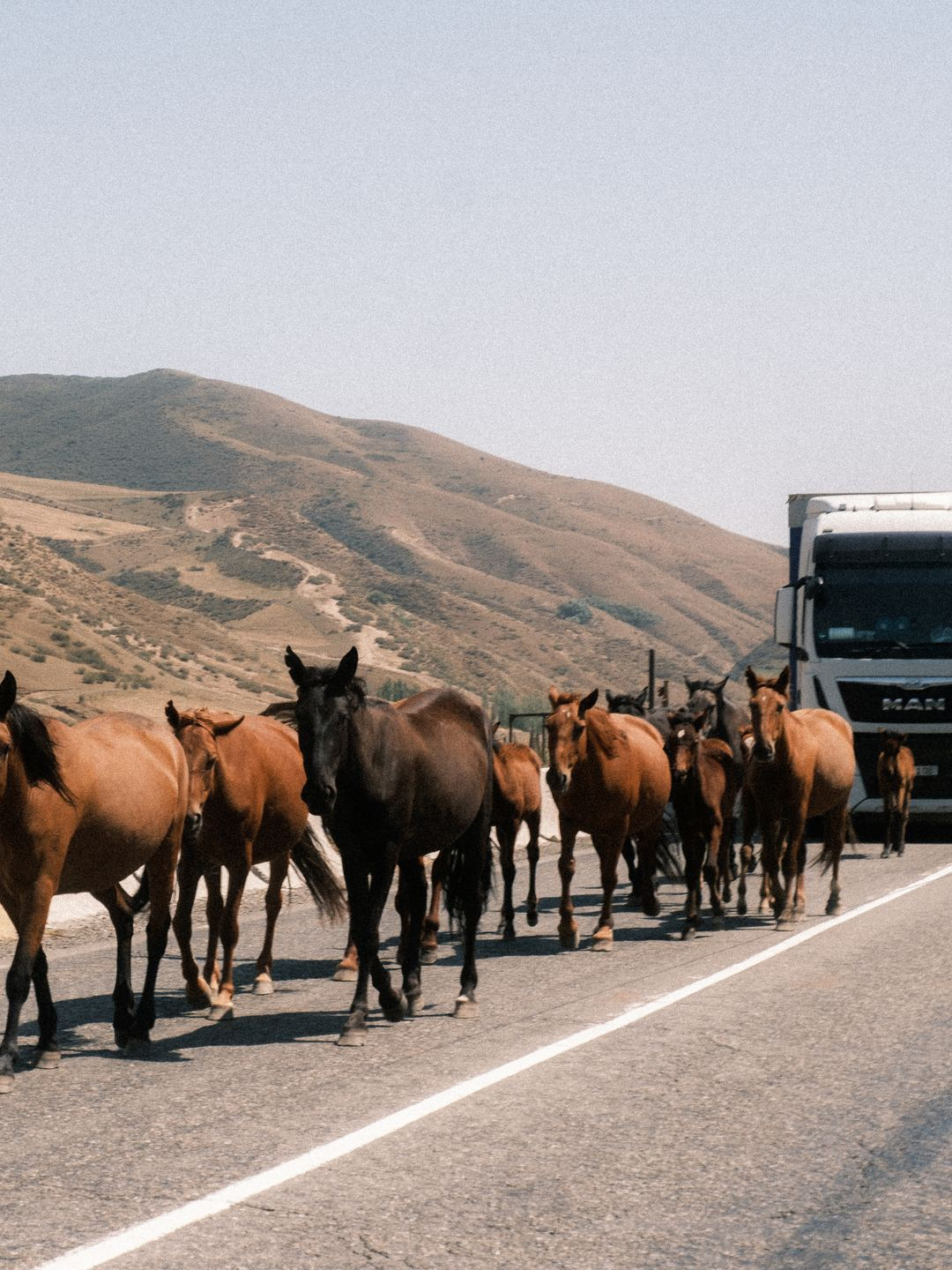
For days like this. I woke up at 6 a.m., had bread and eggs for breakfast, and started the day with gloves and a buff on. The little town of Sary Tash sits at the foot of the Pamirs, more than 3,000 metres above sea level. I began the climb towards the Chinese border. Snow-capped mountains surrounded me, along with horses, marmots, and scattered yurts. After the pass, the magic of the landscape disappeared, and I had to navigate a 30-kilometre line of trucks from across Europe and Asia, all waiting to cross the border. Over the course of the trip, I’d gained a lot of sympathy for the truckers. We shared tables at roadside stops, and we both struggled on the climbs. I wish I’d played more backgammon with them.
Then the alphabet changed. China.
The mountains on the Chinese side were a thousand shades of orange, yellow, and red. They resembled Peru’s Rainbow Mountain. The tarmac was perfect, but there was an eerie feeling of passing hundreds of CCTV cameras and what looked like fake police officers on the roadside. I felt watched all the way to Kashgar that day.
Travelling through China is full of little surprises. Sometimes they come in the form of spicy noodles; other times, they’re hidden features in WeChat or the accuracy of Amap navigation. The latter even offers cyclists motivational messages. Every 10 km, the AI voice says, “Congratulations! You’ve cycled 10 km. It’s like cycling around Tiananmen Square four times.” I’d circled that square a couple of hundred times. Between those virtual laps, I visited many police checkpoints, a routine for foreigners in this region. It felt surreal: just 40 days after cycling in my living room, I was in China. “Mister, your passport. You’re free to go.”
Karakoram Highway
Here the Karakoram Highway begins. At first, it doesn’t look like what you might expect of one of the world’s most dangerous roads. It winds through Xinjiang before gradually climbing towards the Muztagh Ata Glacier. It’s basically an expressway, crowded with local tourists in rental jeeps. Everything changes on the other side of the 4,800-metre Khunjerab Pass.
Pakistan. The most beautiful ride of my life was the stretch from Sost to Karimabad. Himalayan and Karakoram giants towering over valleys and crystal-clear lakes. Roads perched on mountainsides and the majestic Passu Cones. The old Kingdom of Hunza left me in awe.
Further south, as the highway descended to lower elevations and temperatures rose, the road surface worsened and riding became more challenging. I had my worst moments there. I stopped every few kilometres, hiding from the sun in the smallest patch of shade. My Garmin regularly showed temperatures above 50°C. It felt like riding into a hair dryer. I was miserable. Every time I stopped, a passing car would slow down. Cheerful Pakistanis would ask for selfies and share cookies and Instagram handles. I hadn’t expected so much kindness and so many human connections on a trip that was supposed to be a solo challenge. It fuelled me and kept me going down to Chilas and over Babusar Pass to Islamabad.
I stayed there for a couple of days. With virtually all land-border options off the table, I had to figure out how to continue the trip. I was anxiously awaiting my Indian visa. Although I was already in the Himalayas, the trip wasn’t finished. I still wanted to cycle somewhere far, pitch my tent next to a big Himalayan peak, take a couple of minutes to enjoy the view, and only then come back. The Zanskar Valley in Ladakh seemed to fit my plan.
After fixing my brakes and topping up the sealant, I packed my gravel bike into a cardboard box and boarded a plane to Leh, India. It was the last leg of the trip.
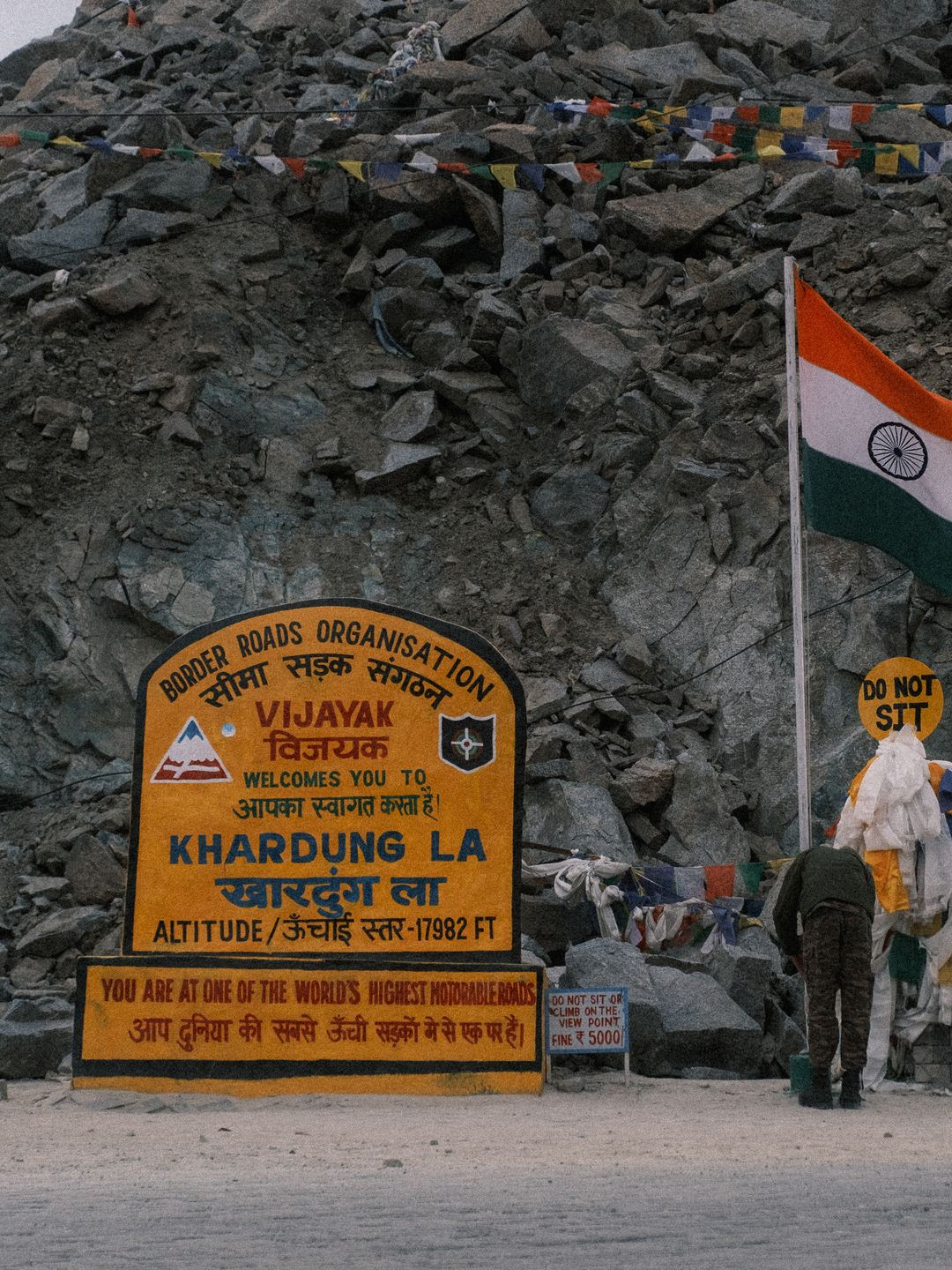
BRO, Zanskar
I spent my first day in India acclimatising to the high altitude. I decided to take my bags off and ride to Khardung La, a 5,300-metre pass above Leh. It’s a bit like the Stelvio, but emptier and slightly higher. Taking the weight off the bike was a great call: the uphills finally felt fun rather than strenuous.
With my bags back on the bike, I took one of the BRO roads and headed to Zanskar. BRO stands for Border Roads Organisation. It builds roads for local communities, though they mainly serve the military and tourists on Royal Enfield motorcycles. BRO also puts up unusual, informative rhyming signs. You could play a game to collect them: from “Lower your gear, the curve is near” to “Fast and furious makes you injurious” and “Night doubles traffic troubles.” I took a longer, scenic route through Kargil to find more of them.
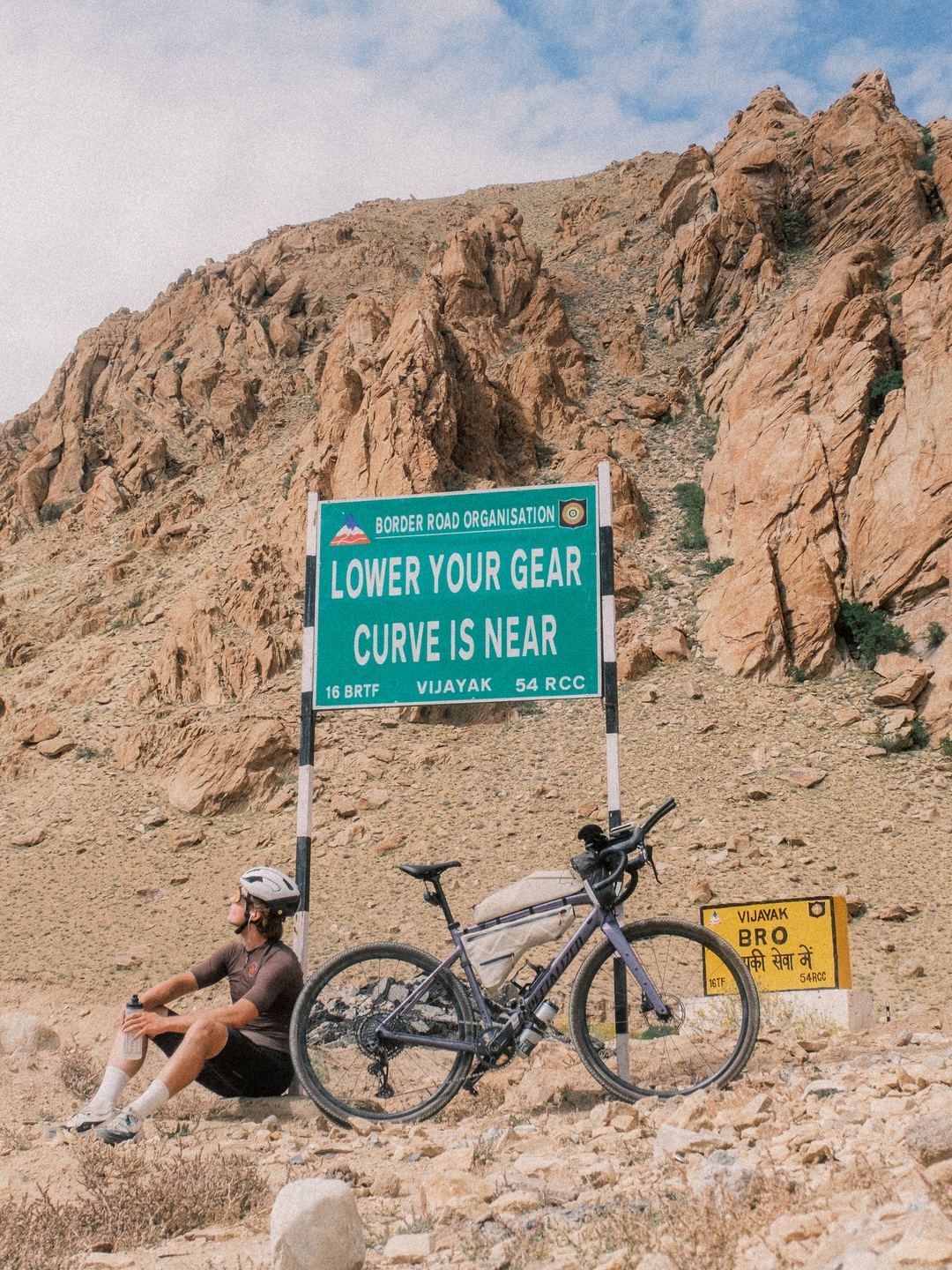
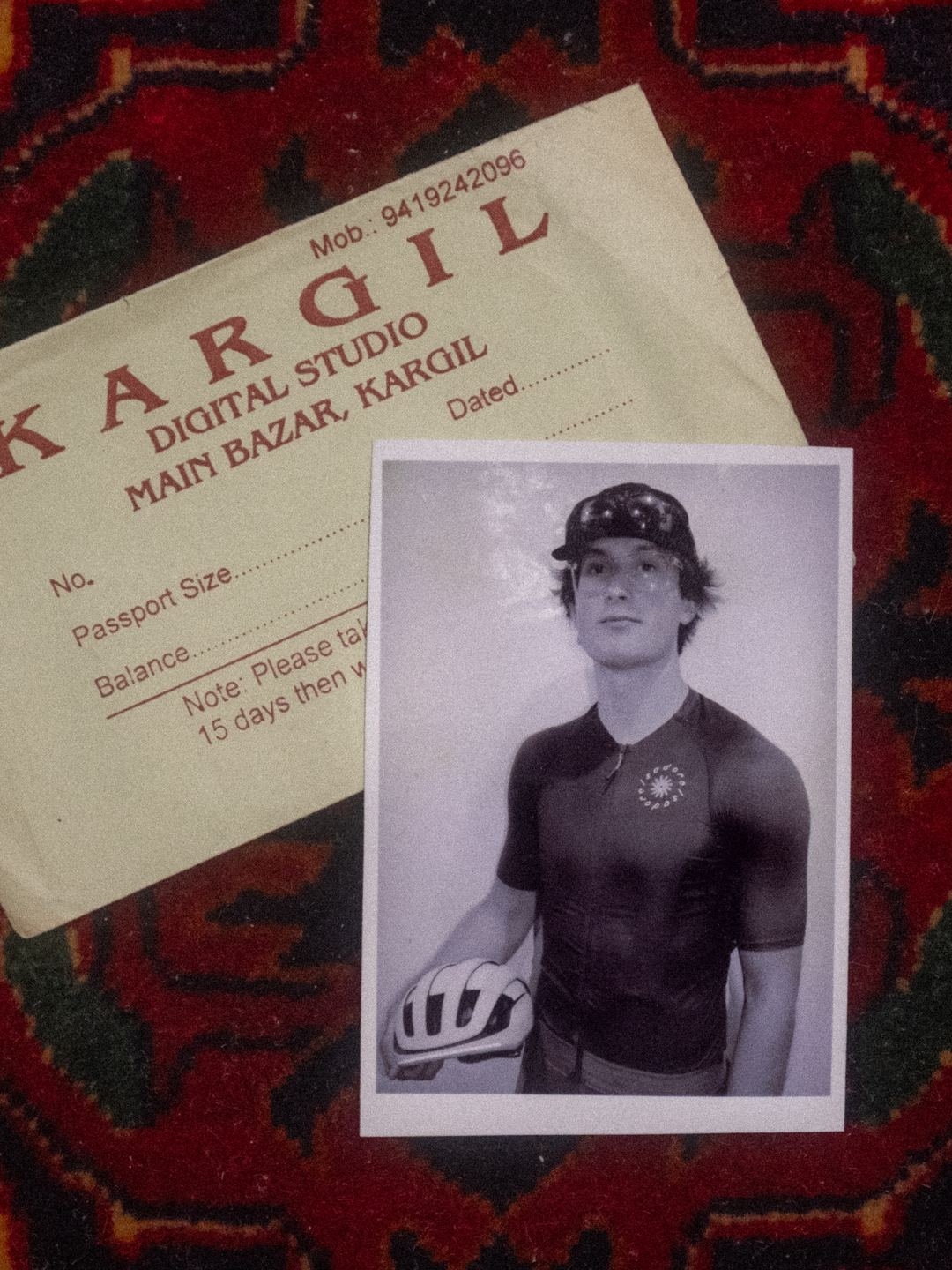
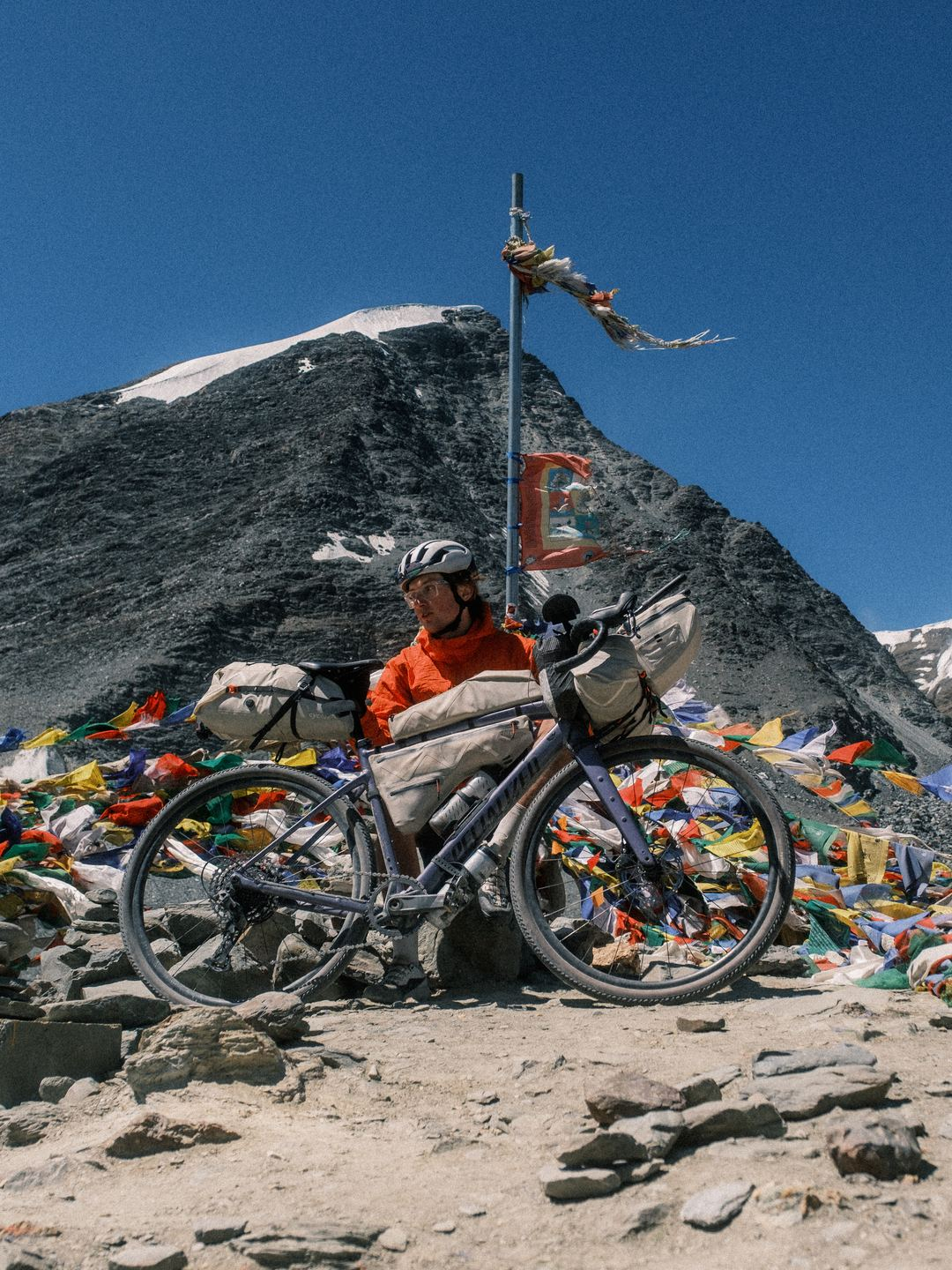
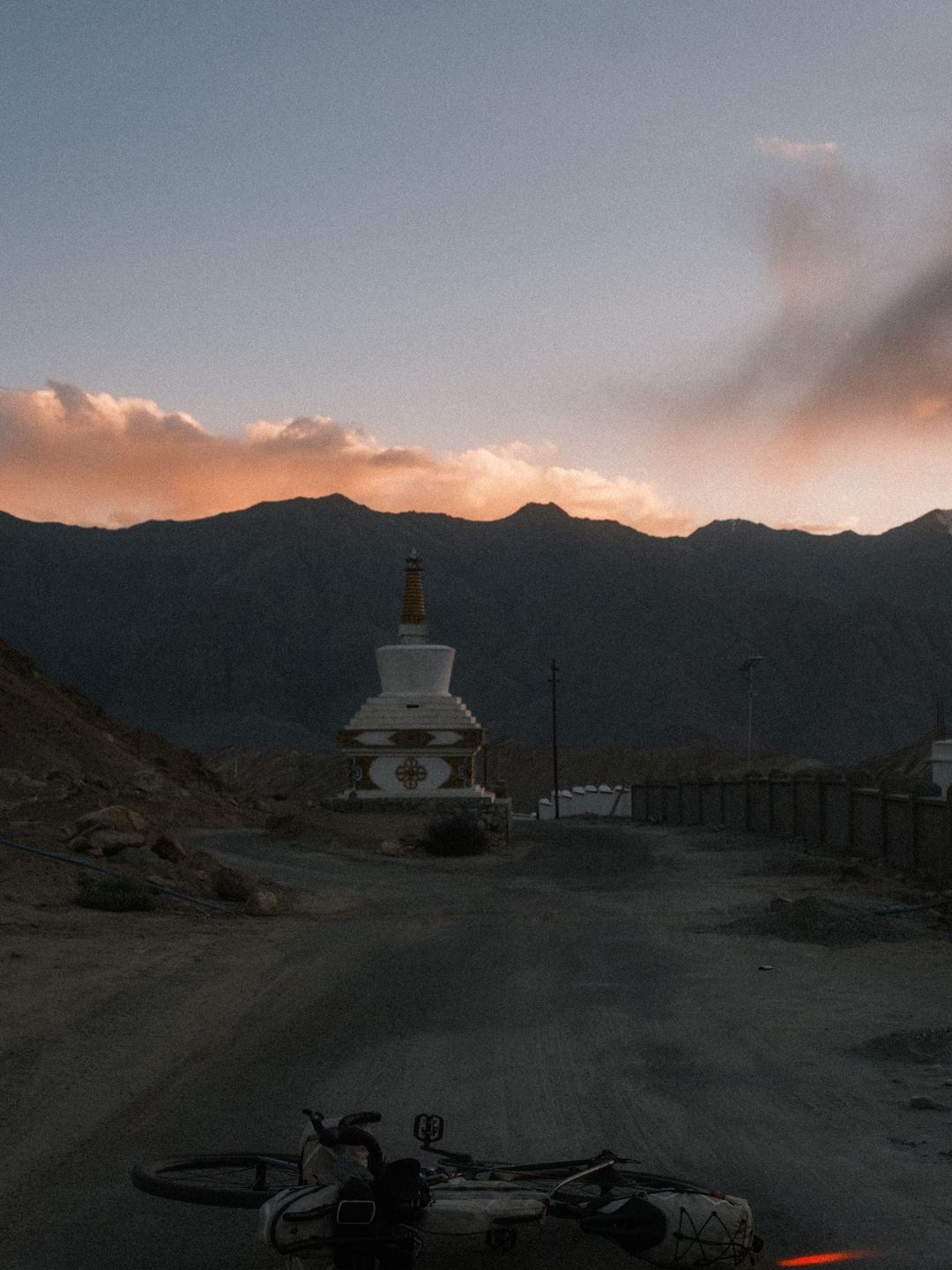
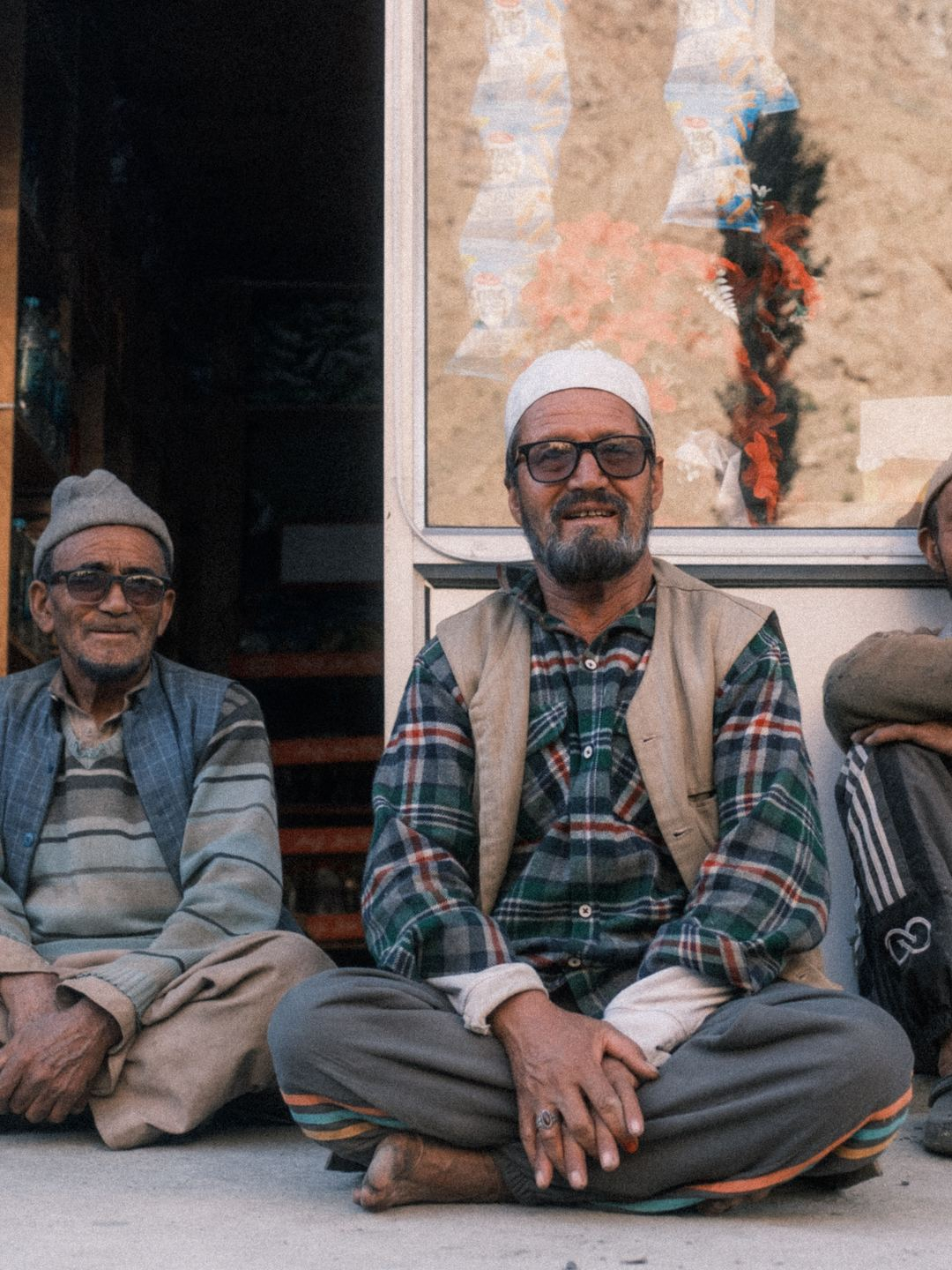
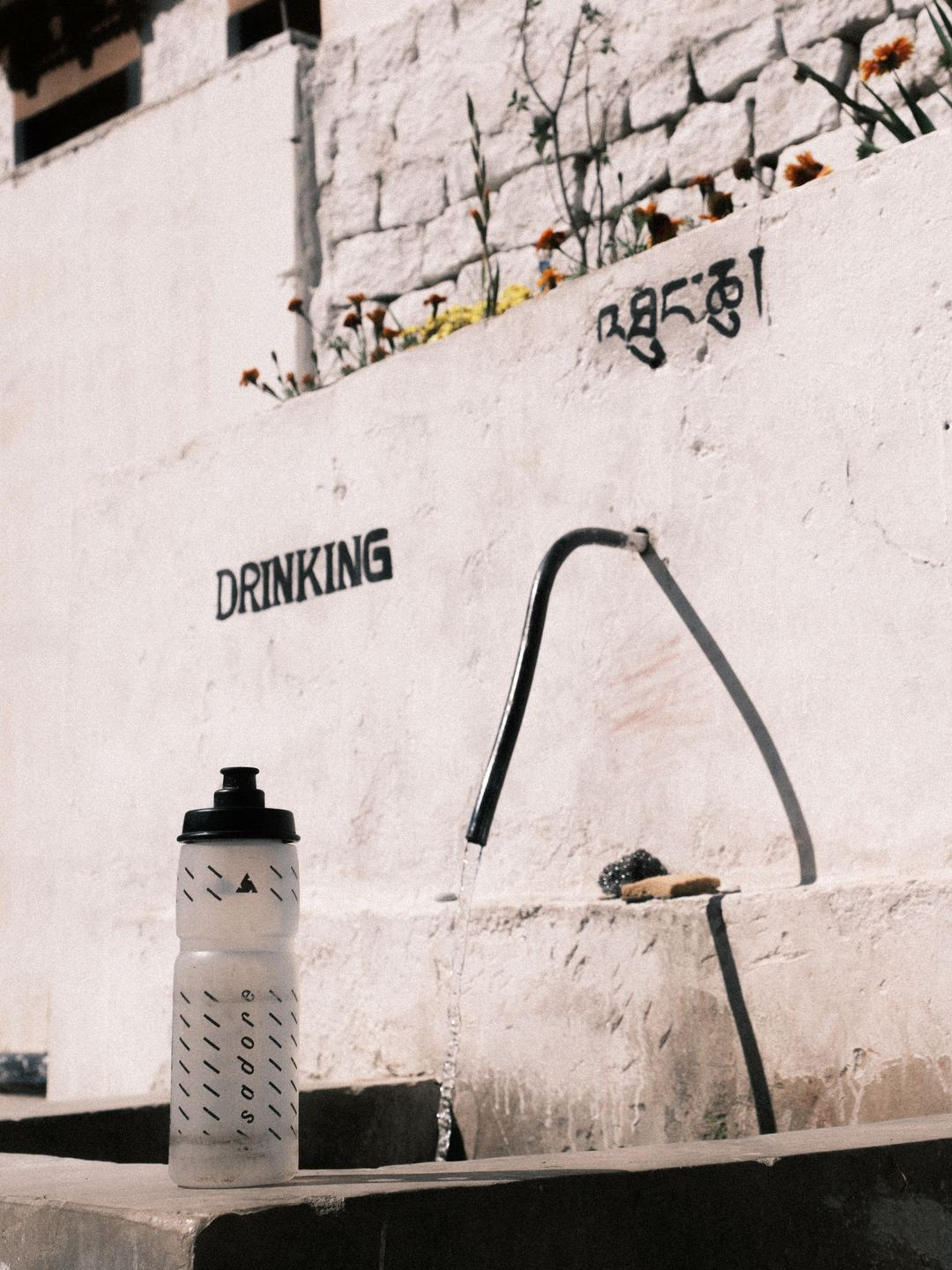
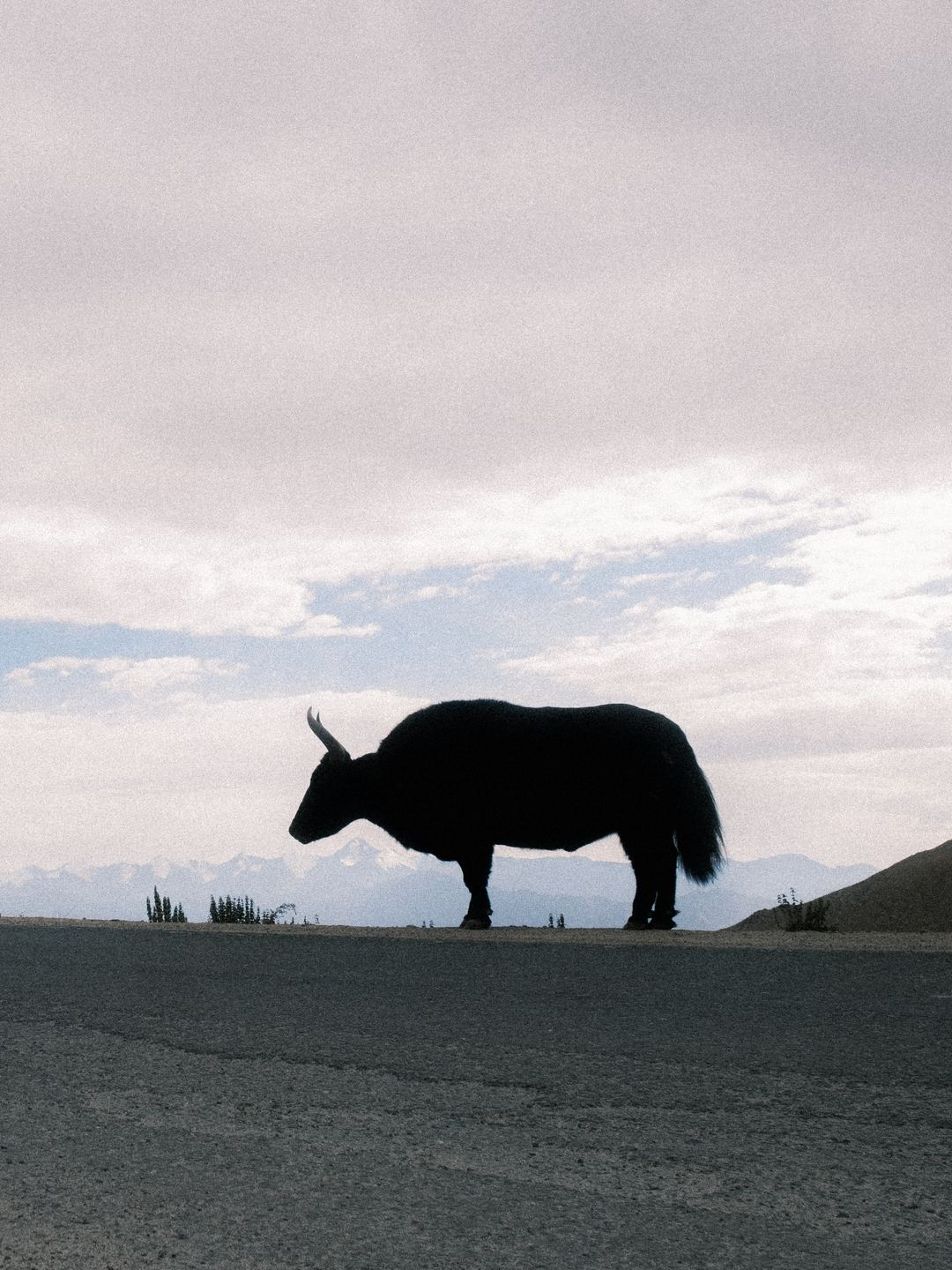
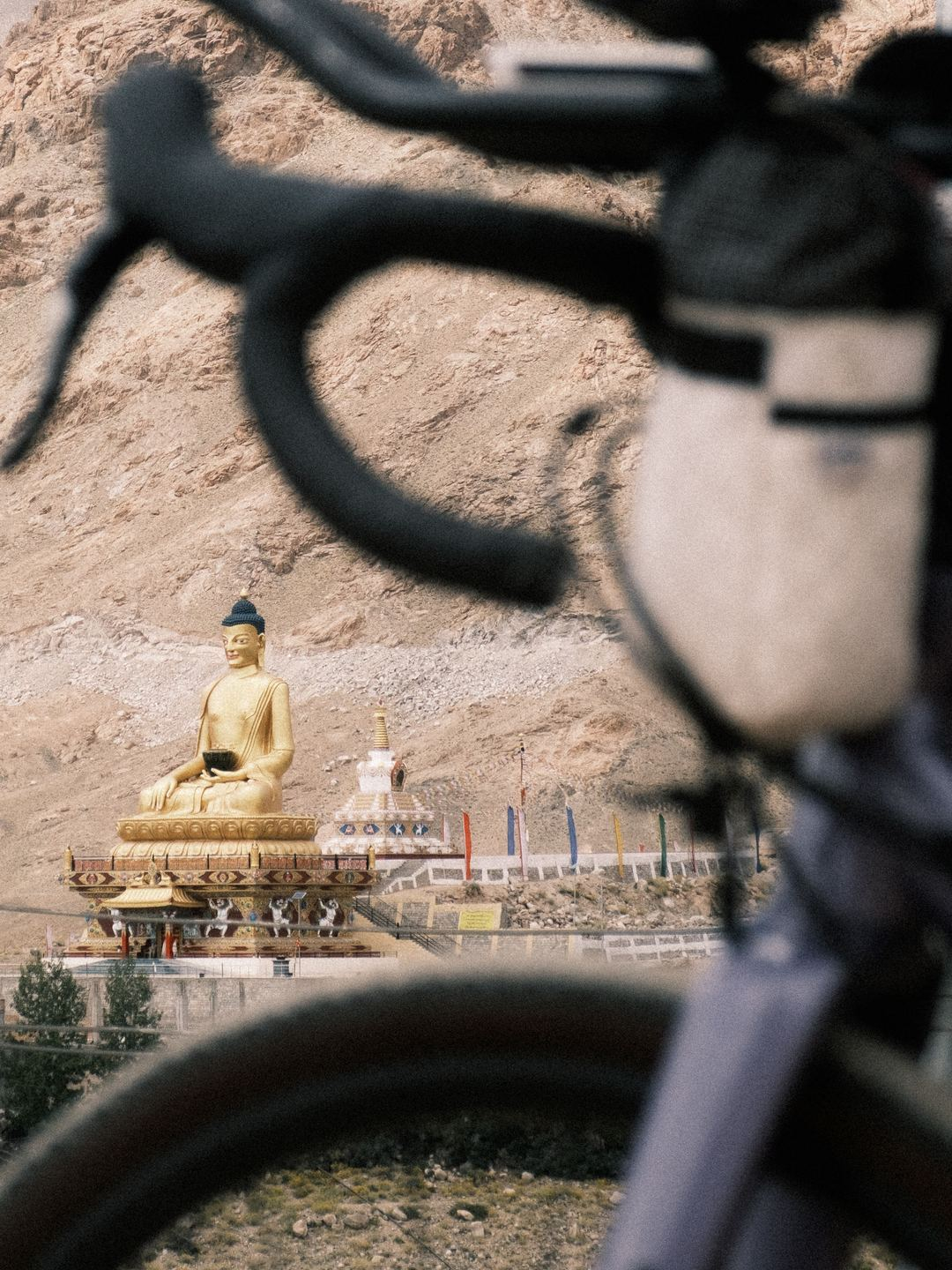
I was finally free from the average-speed jail of pushing daily distances and counting kilometres. Maybe I was tired, or maybe it was the altitude, but it was time to soak in the Himalayas. I slept in Buddhist shrines with monks, observed marmots, and put on sunscreen every two hours.
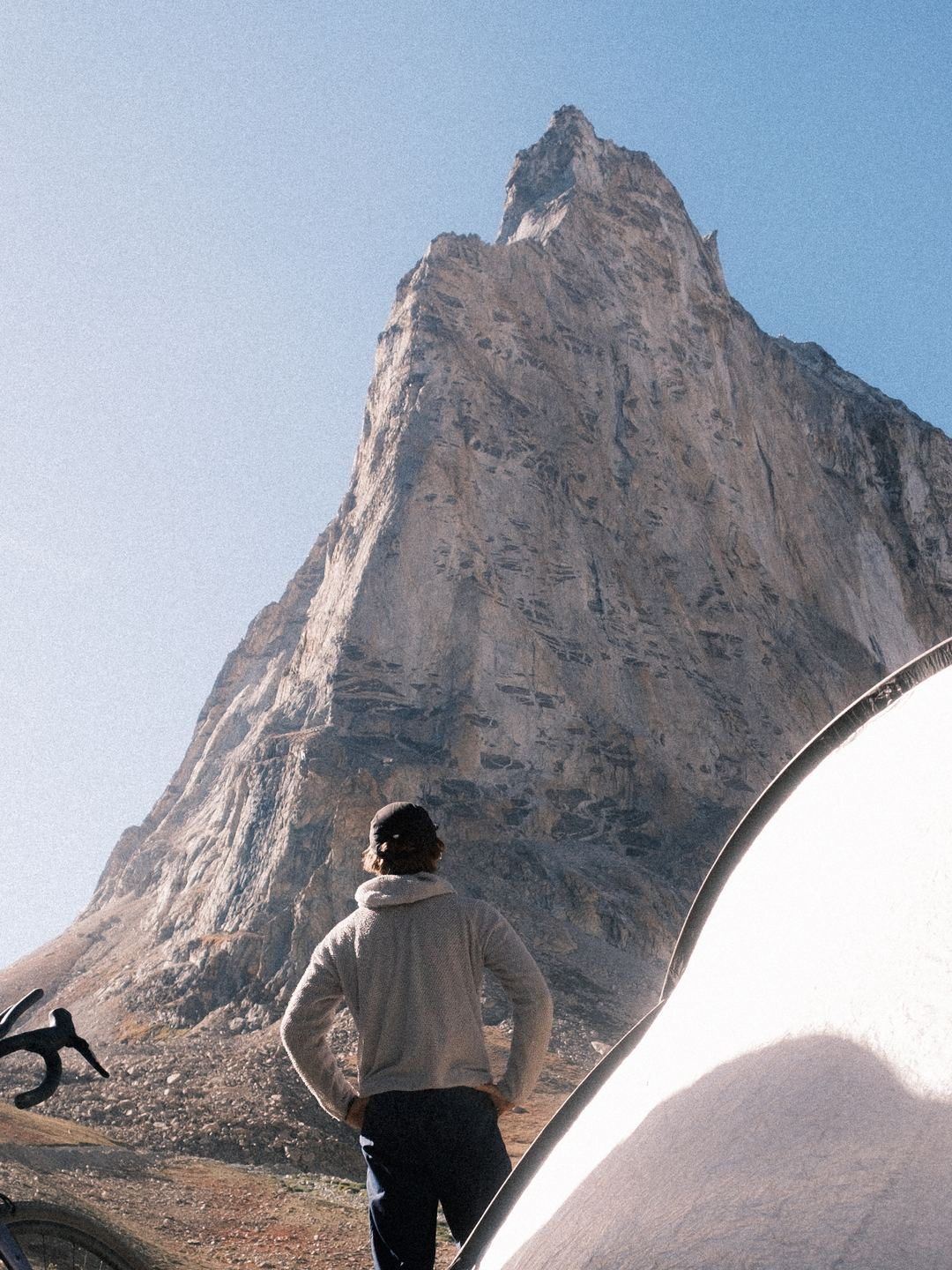
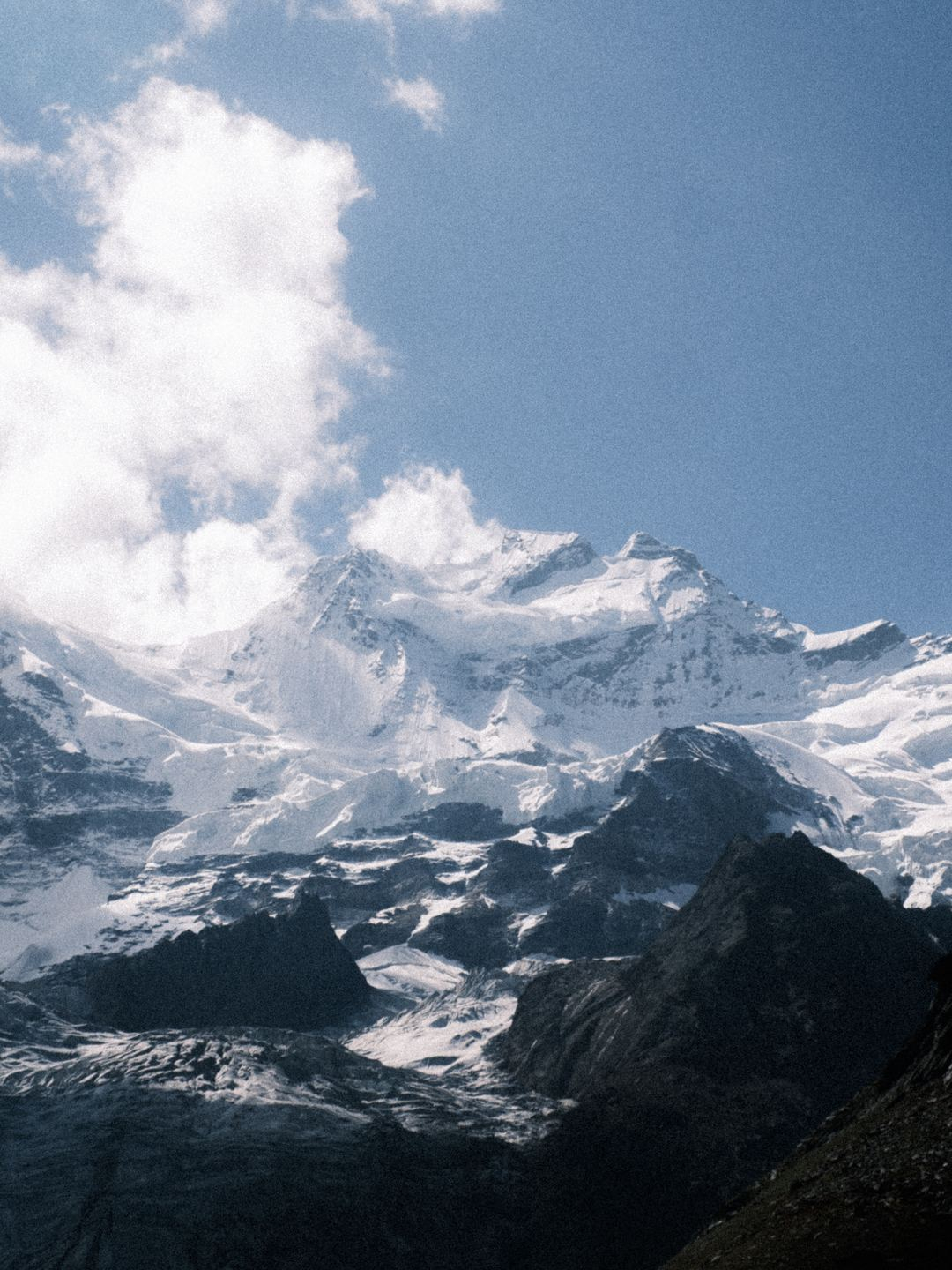
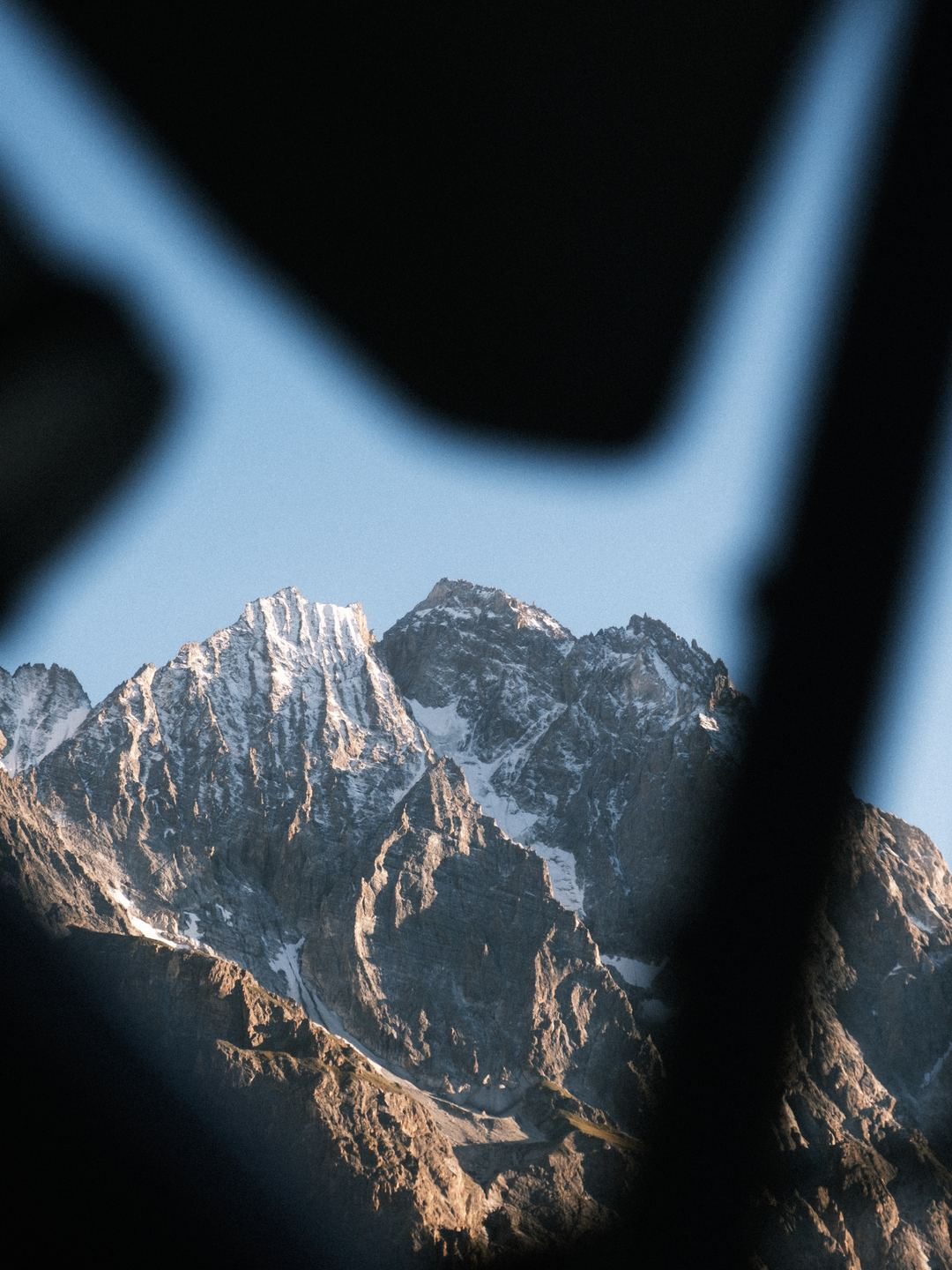
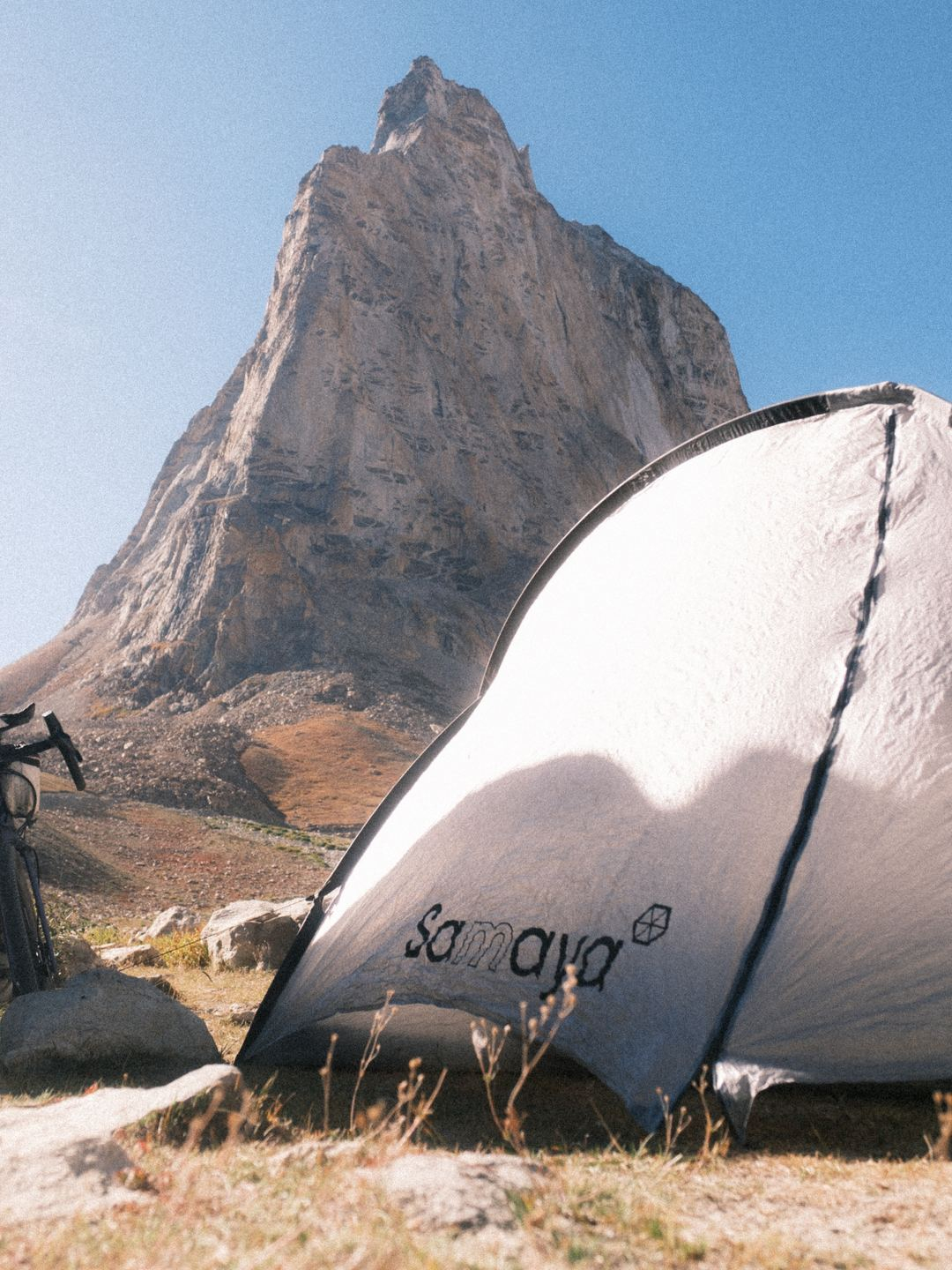
After 51 days of riding, I pitched my tent under the mountain. Its face caught the late-afternoon sun, and the air was crisp. The yaks came in the morning. Their herder invited me for tea.
Back in Poland, I assembled my bike outside the airport and rode home. When October came, I returned to university and renewed my Zwift subscription. Now I was cycling in my living room once again.