


The Art of Layering
There is no such thing as bad weather, only poorly chosen clothing. The right choice of layers is an art that comes from experience and discomfort tested on one's own skin. In search of a delicate symbiosis with the weather and conditions that await you on the road. The right clothing can enhance your riding experience, the wrong choice of it will condemn you to hours of discomfort. Master the delicate art of layering with us.
Autumn
+8° to +20°C
Weather
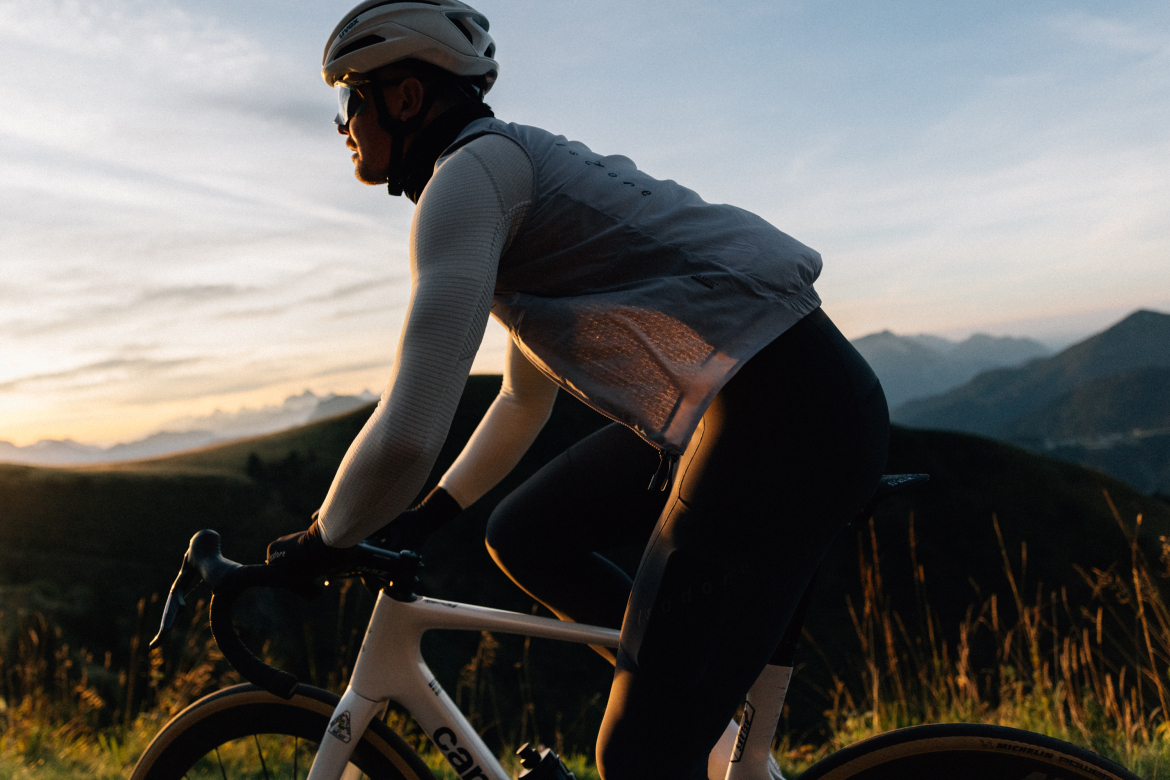
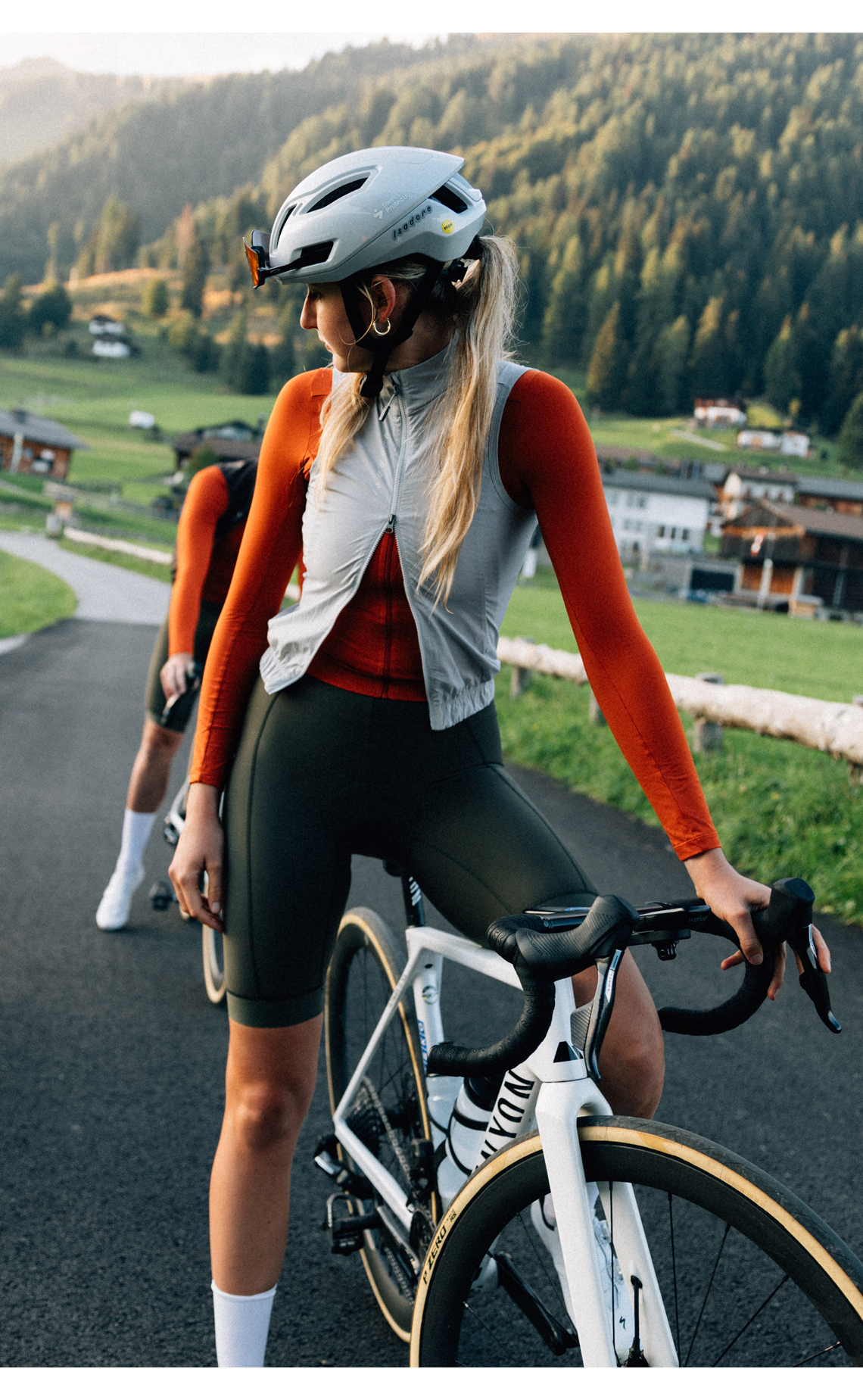
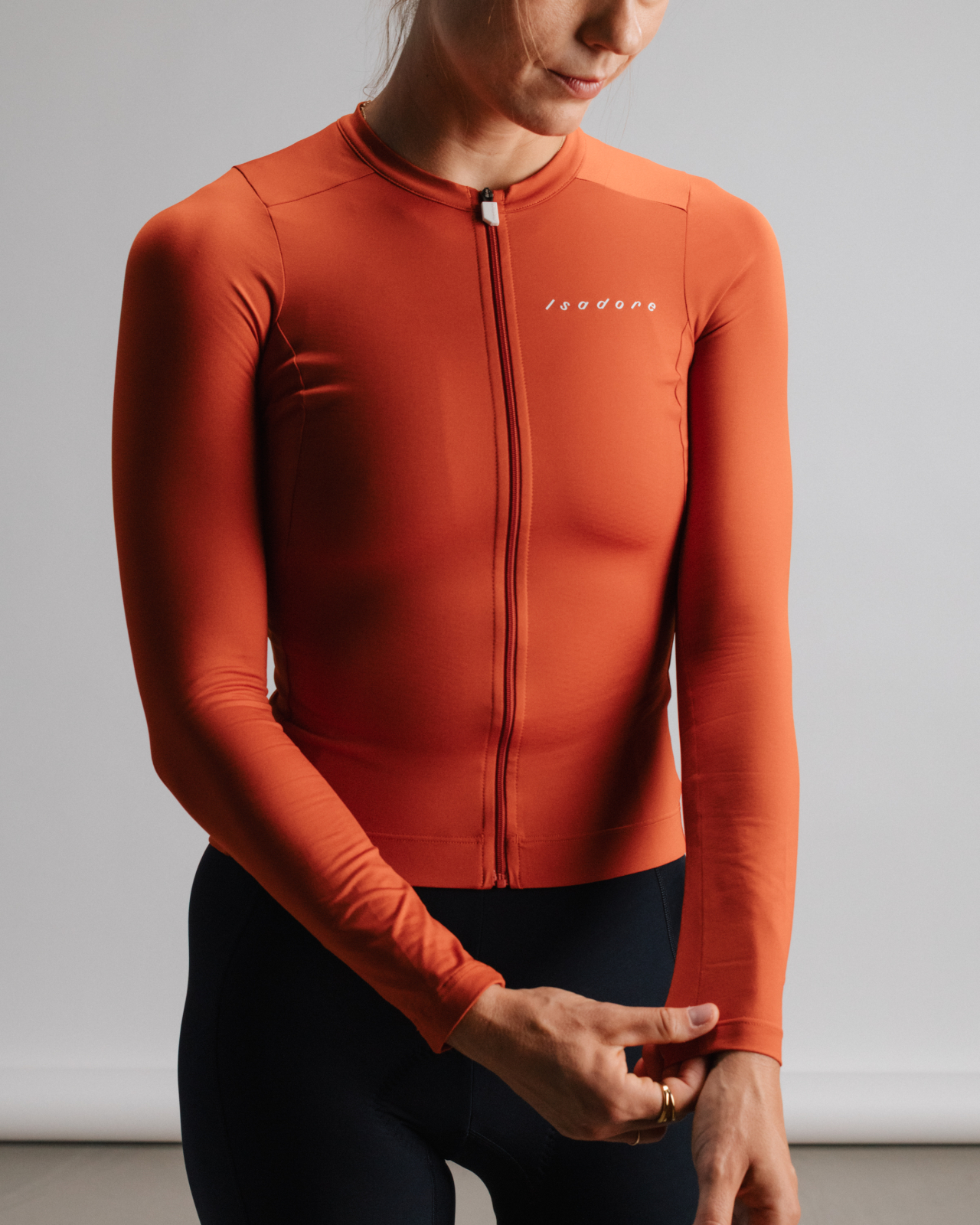
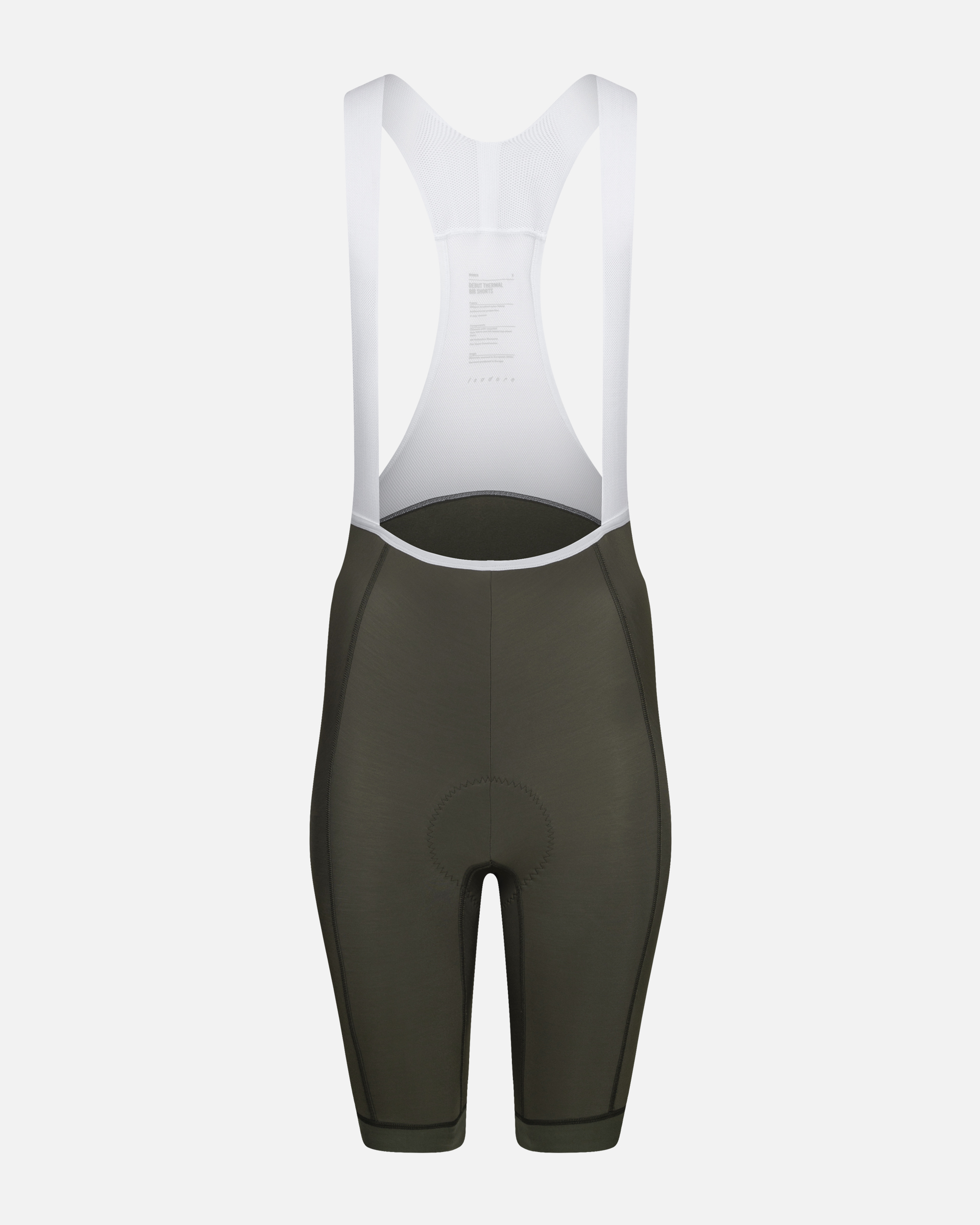
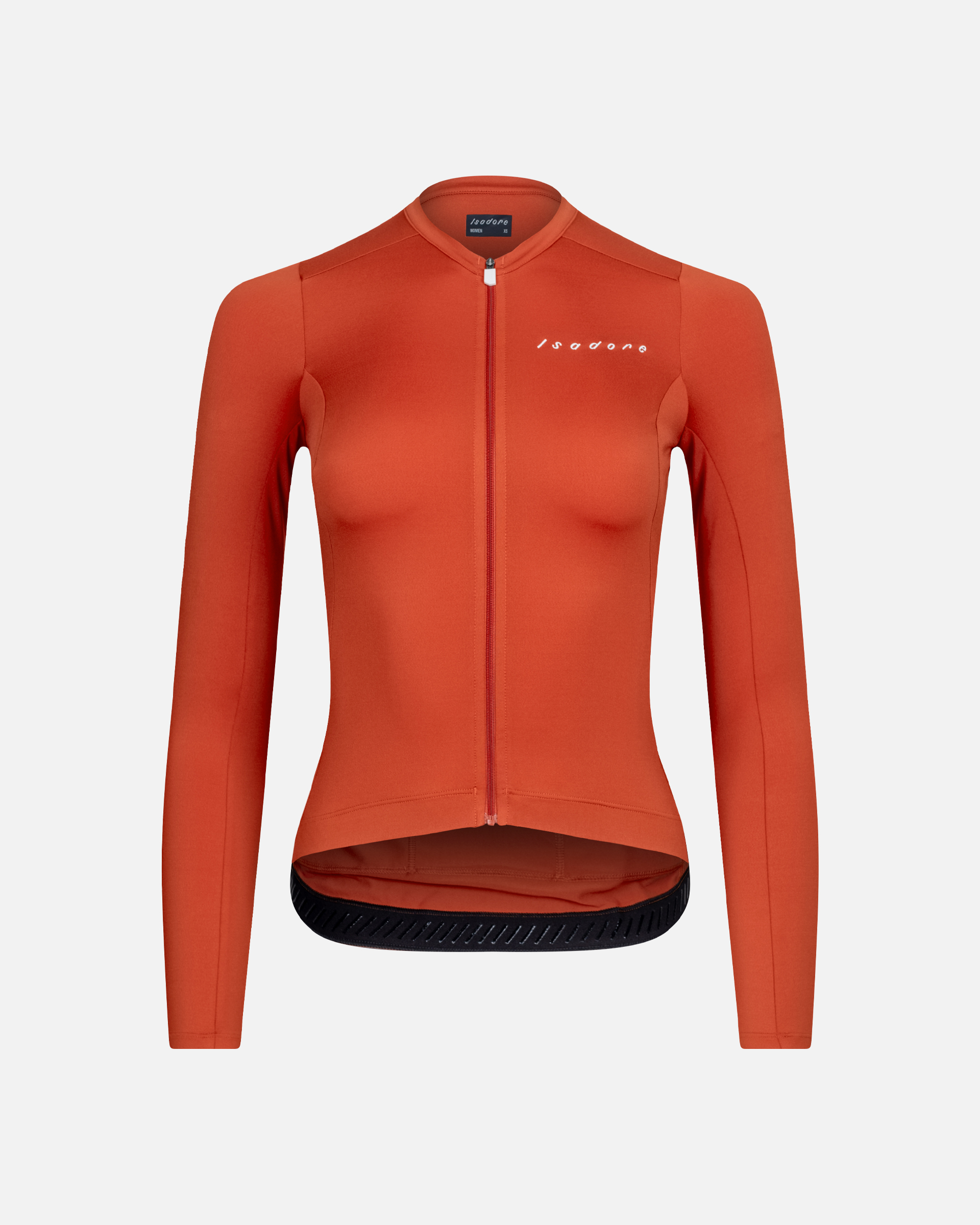
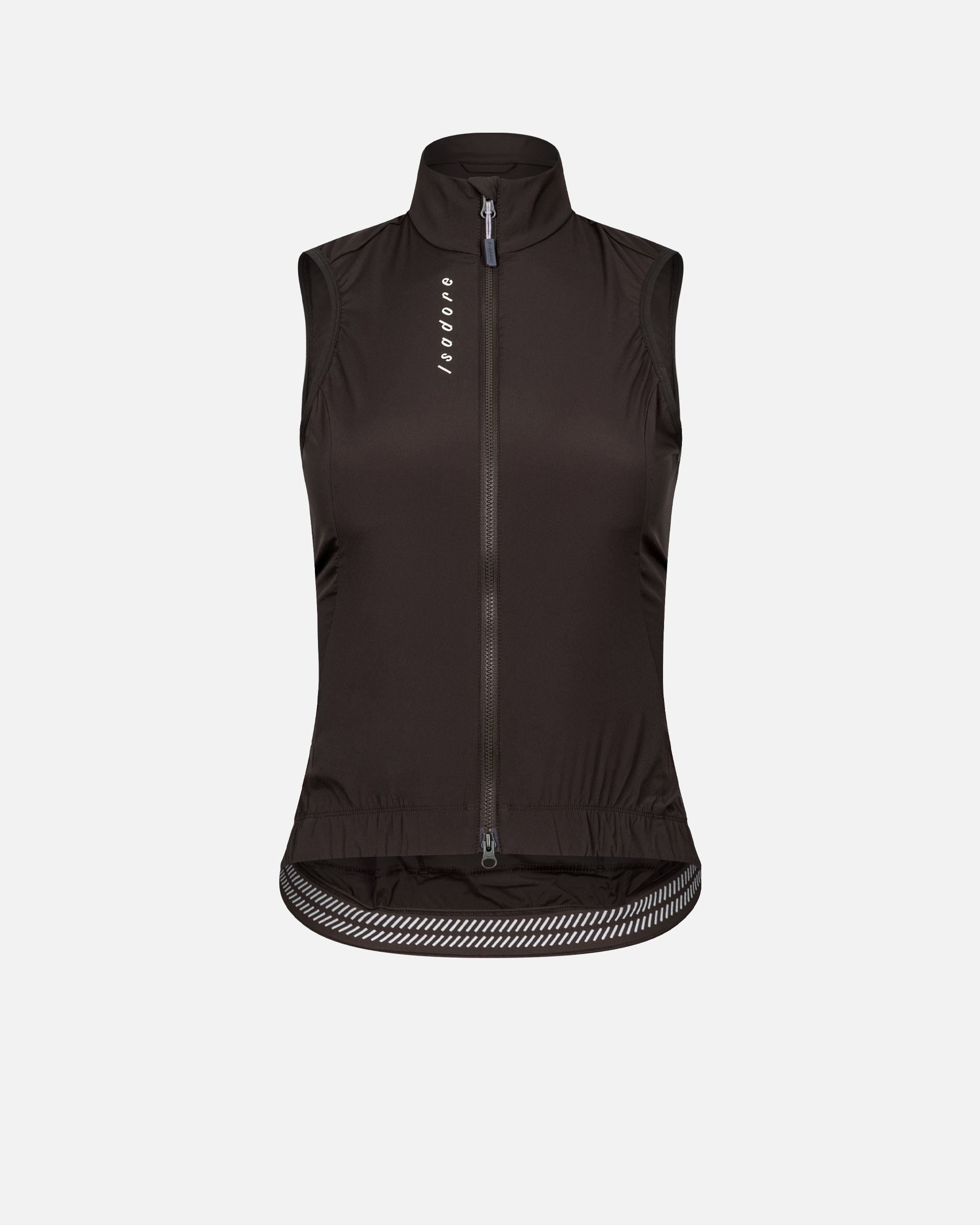
The last warm days of Indian summer gradually give way to autumn, bringing cooler mornings, shorter days and increasingly unpredictable weather. From crisp sunshine to chilly winds and sudden showers, conditions can change throughout a single ride. Getting your layers right becomes essential.
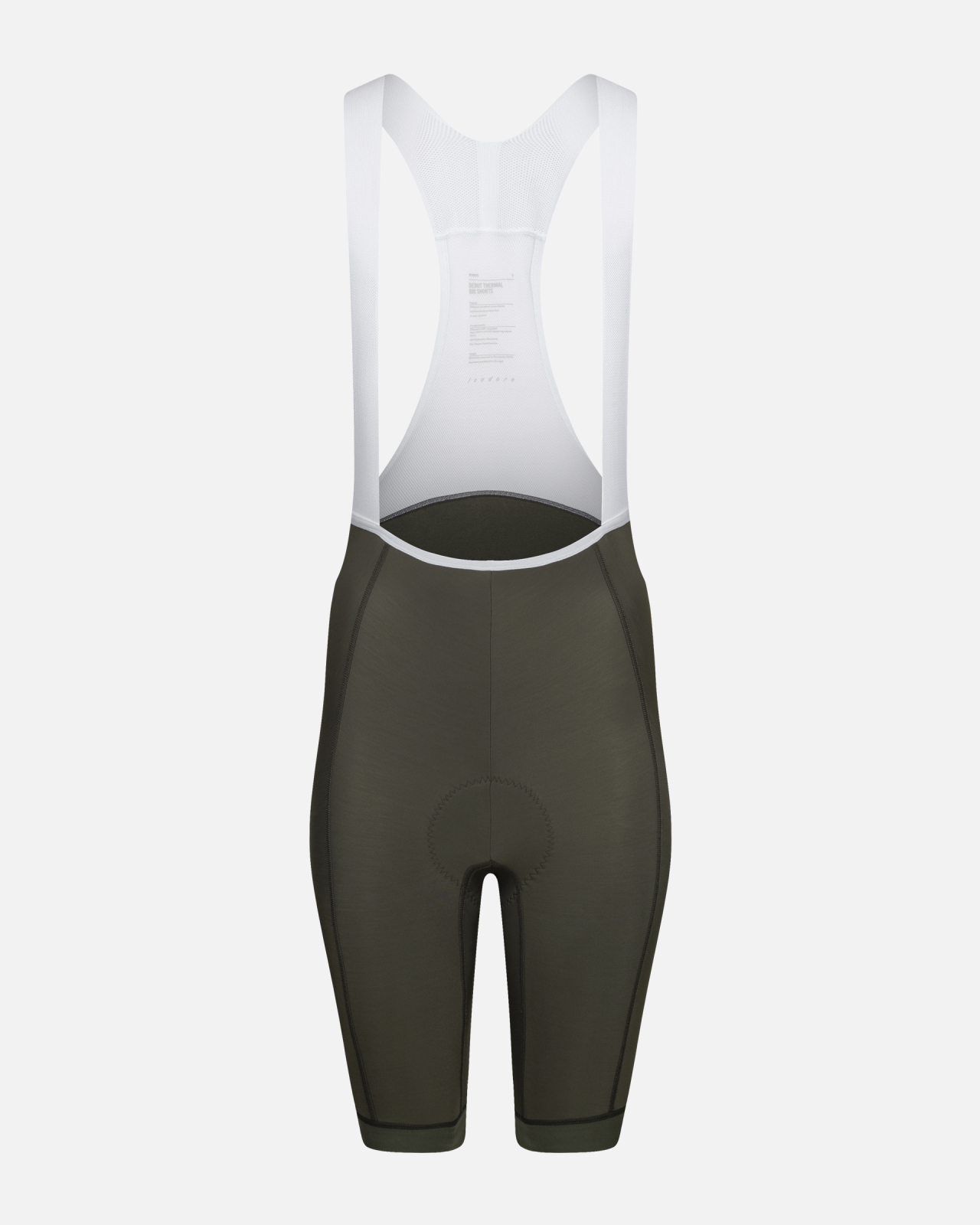
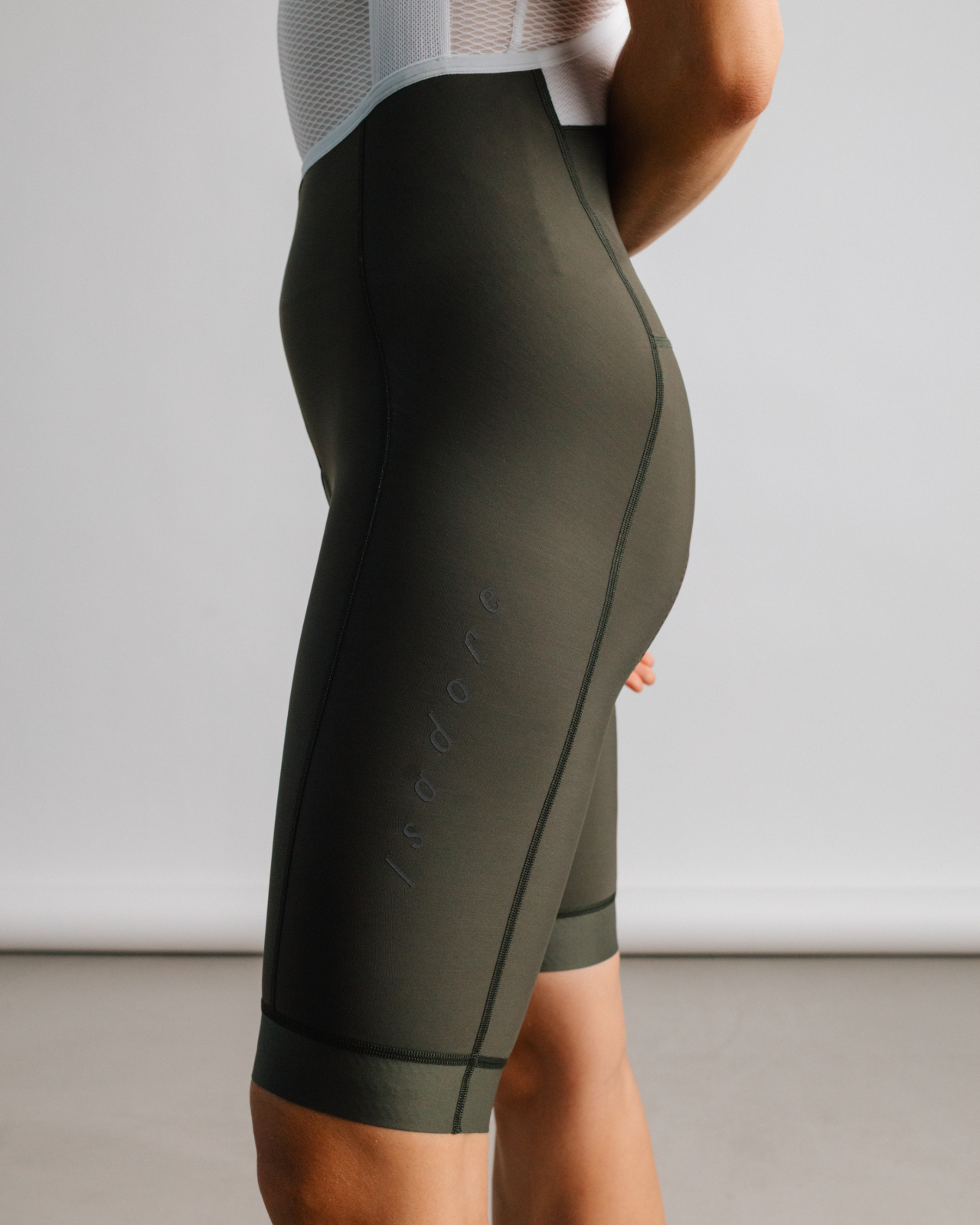
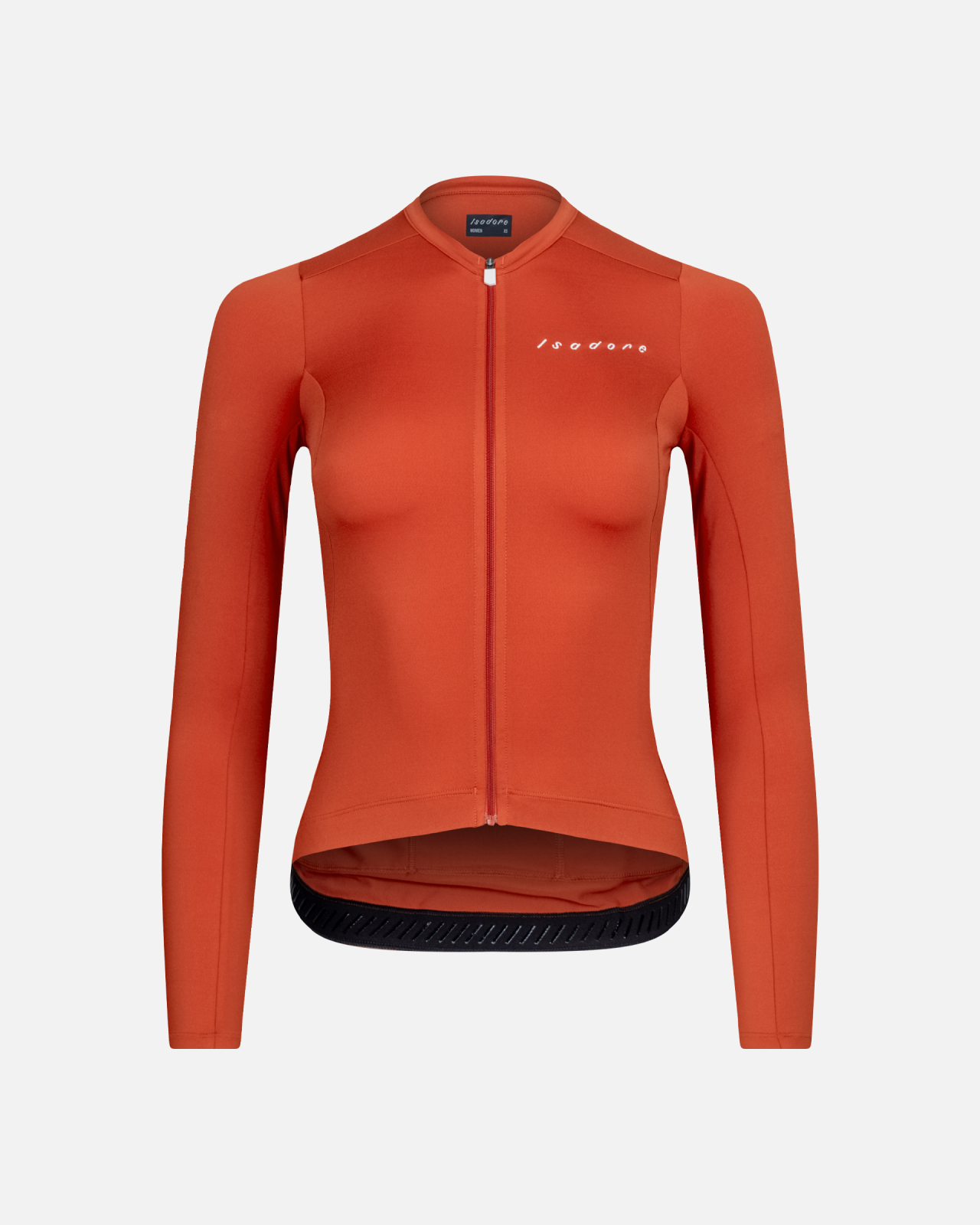
Autumn weather can change quickly, so always bring a jacket or gilet to protect yourself from sudden wind, rain or dropping temperatures. There are still plenty of opportunities for high-intensity rides in comfortable conditions, but be mindful when slowing down or stopping after a hard effort. Once you've worked up a sweat, your body can cool down surprisingly fast.
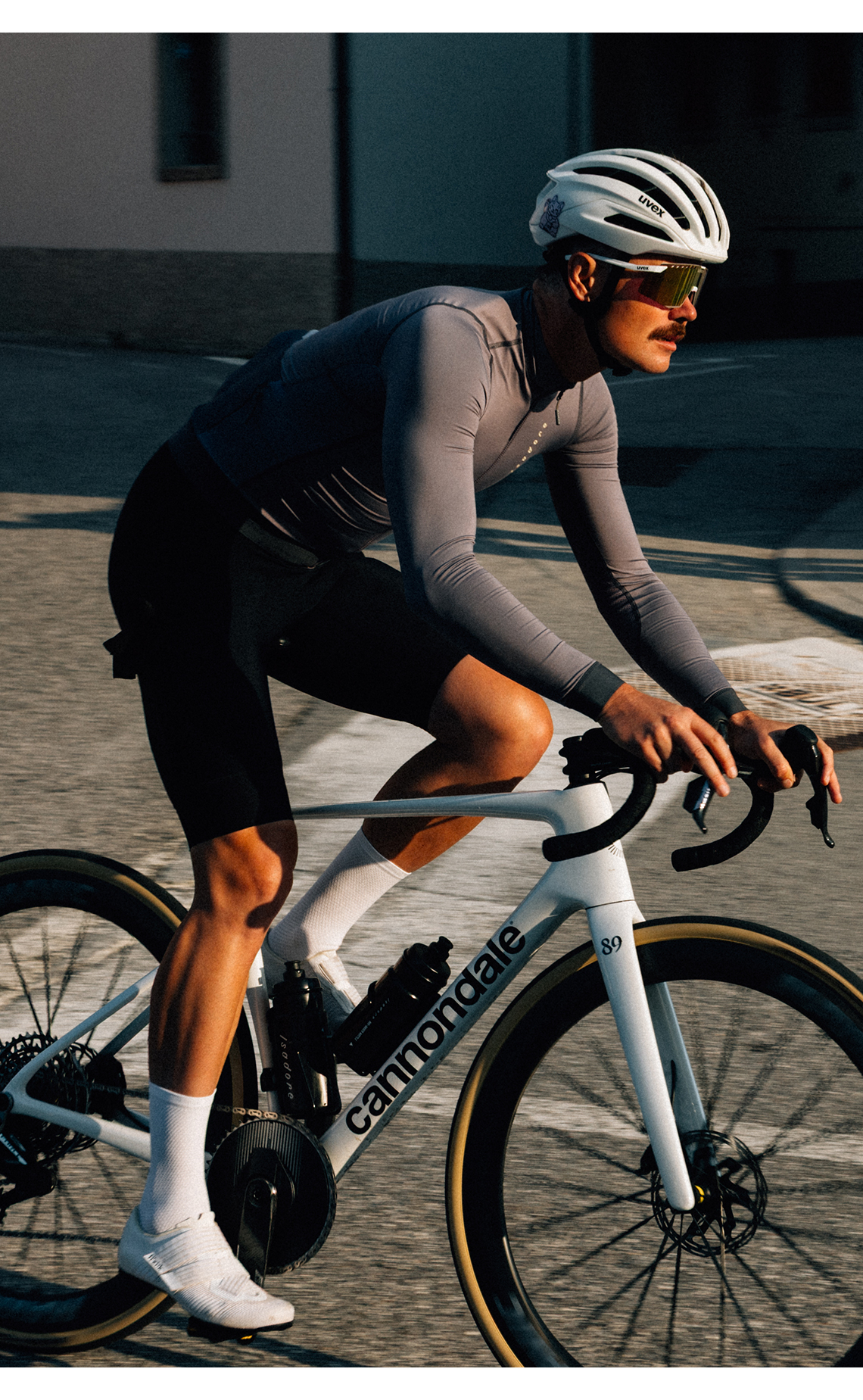
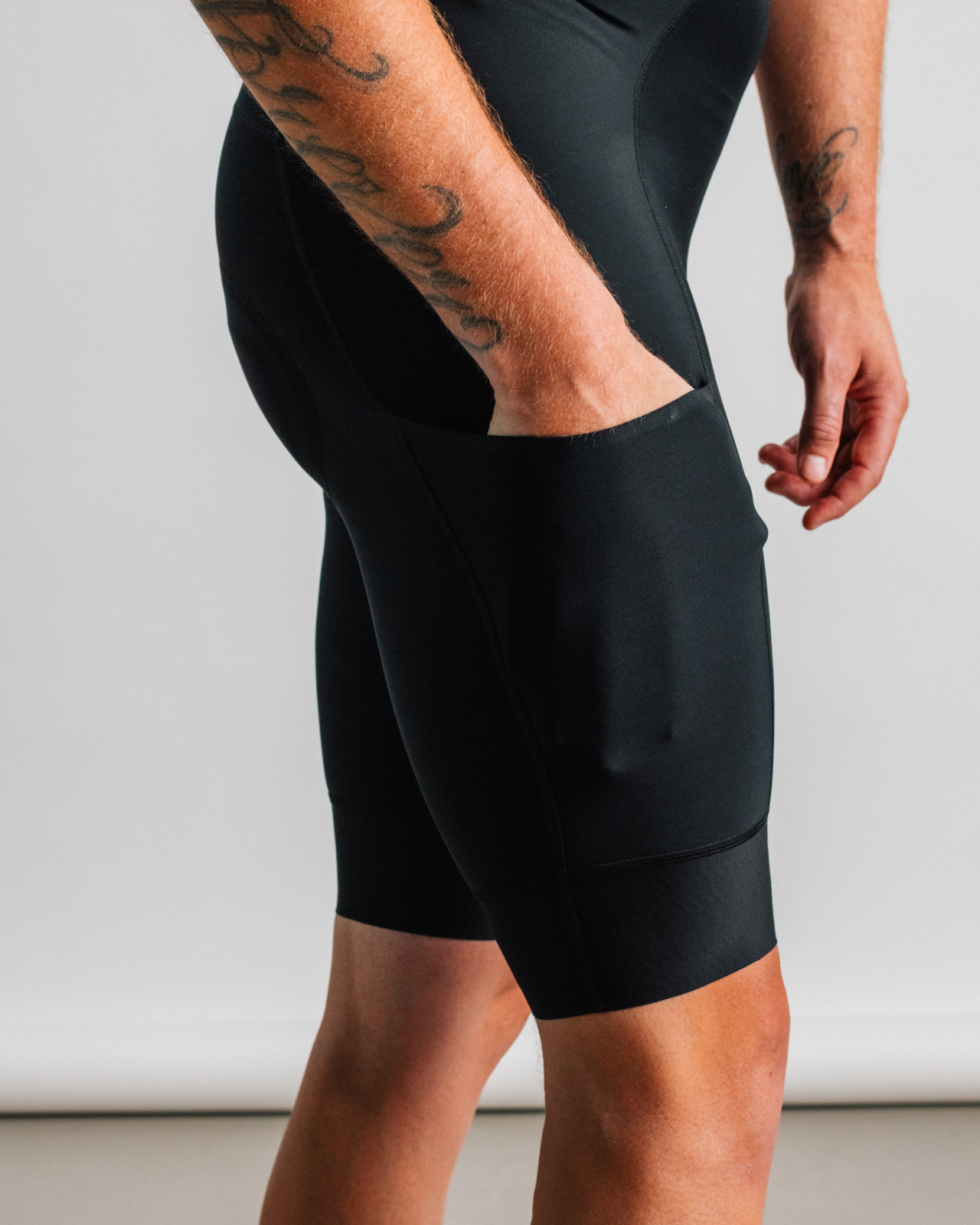


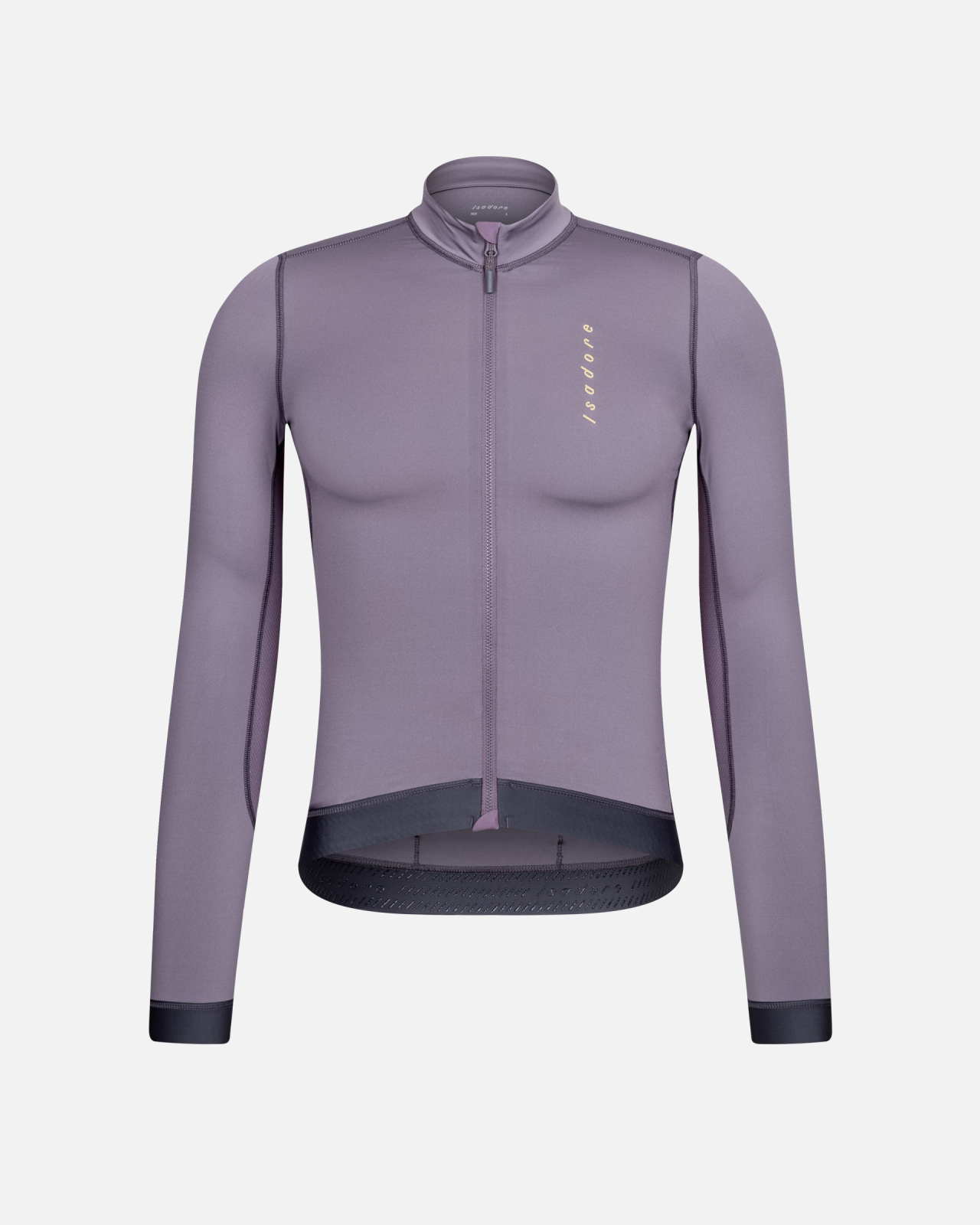
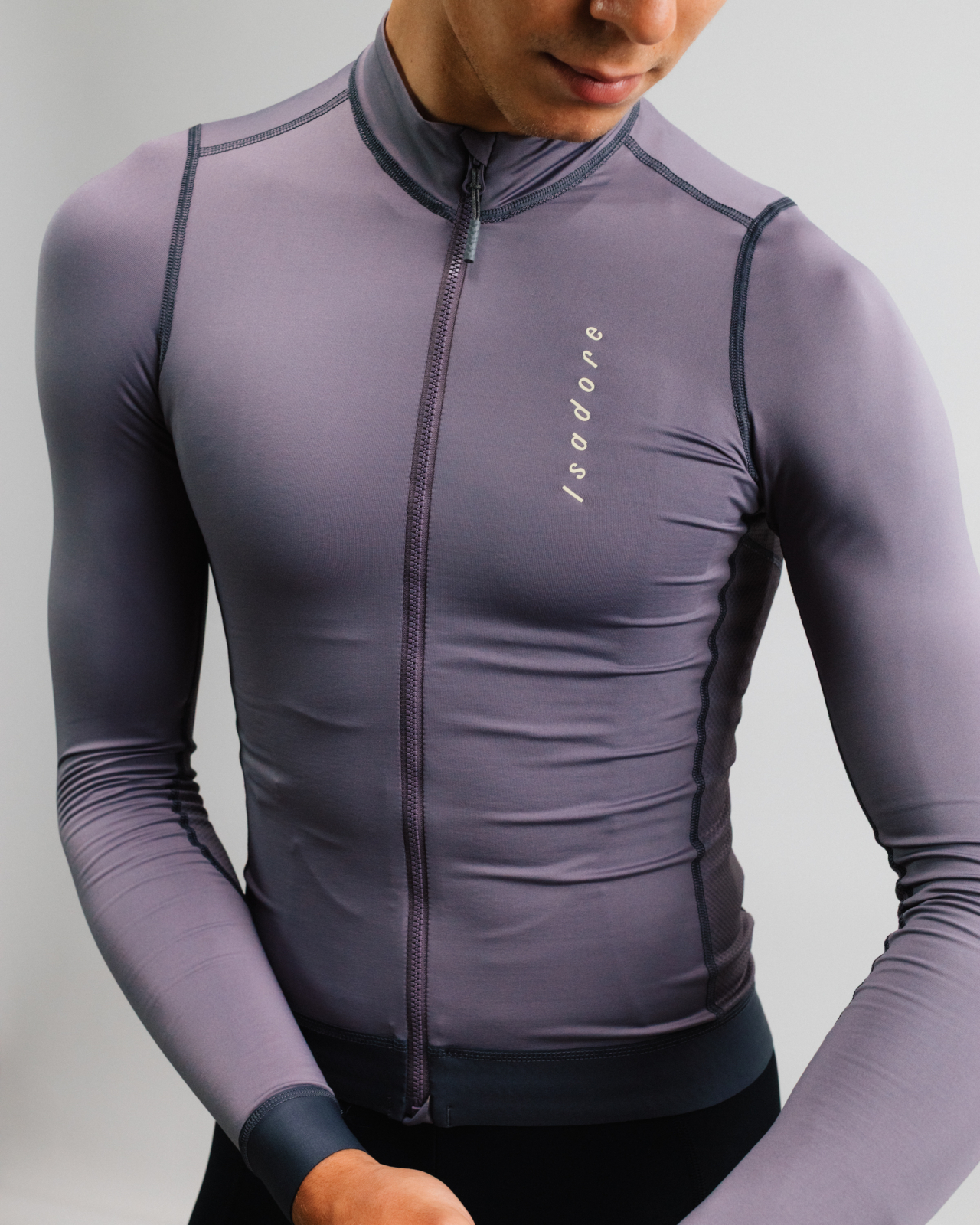


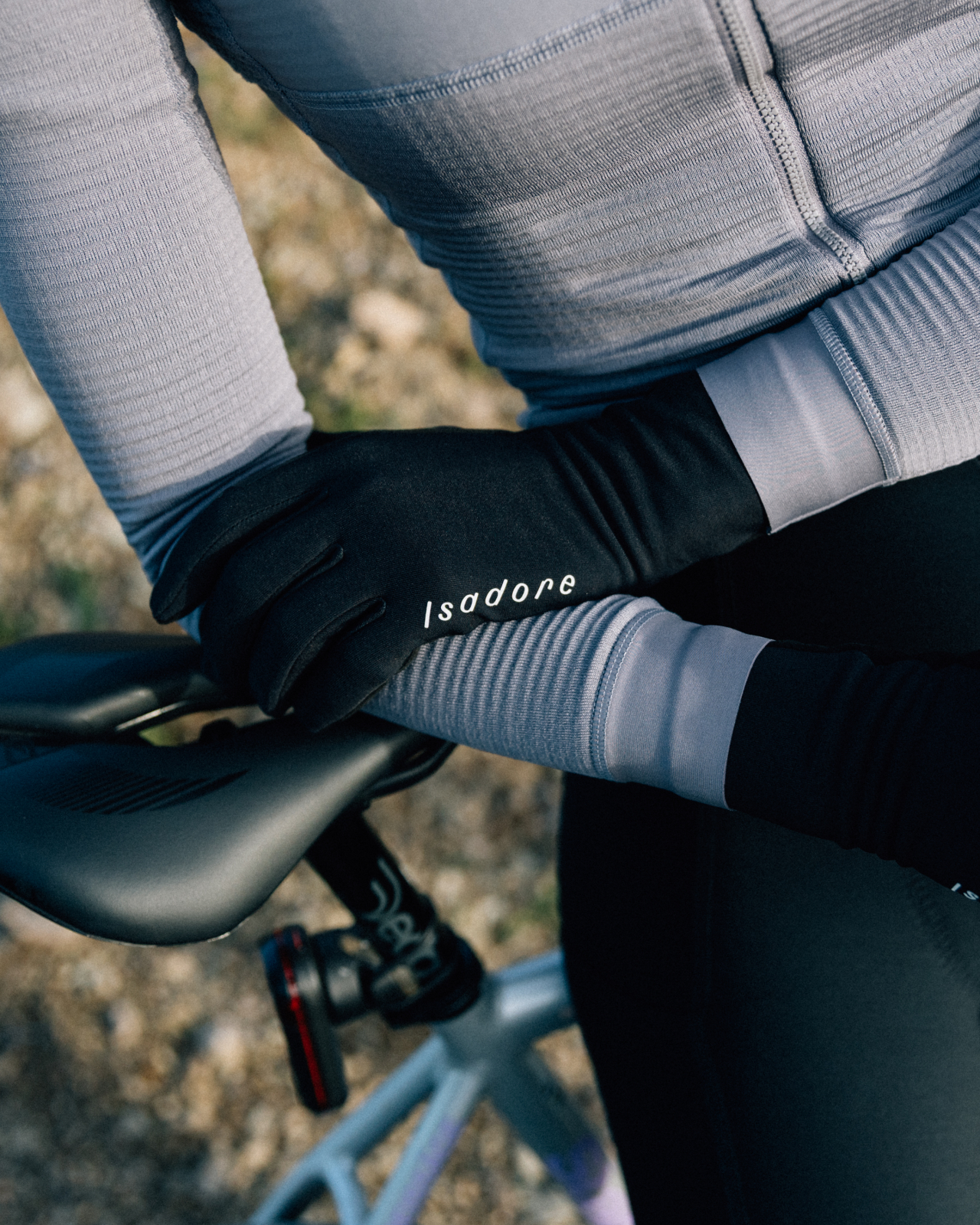

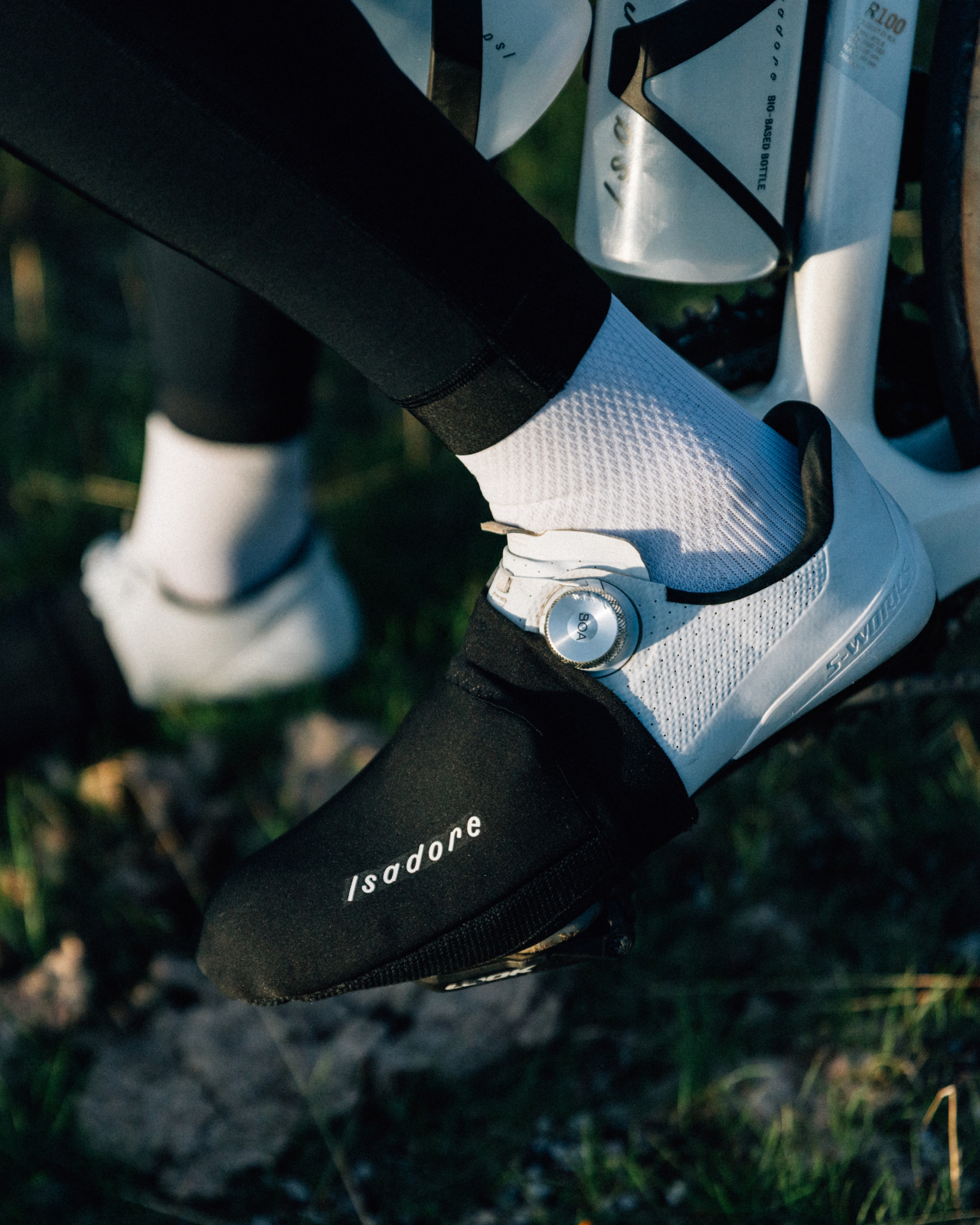

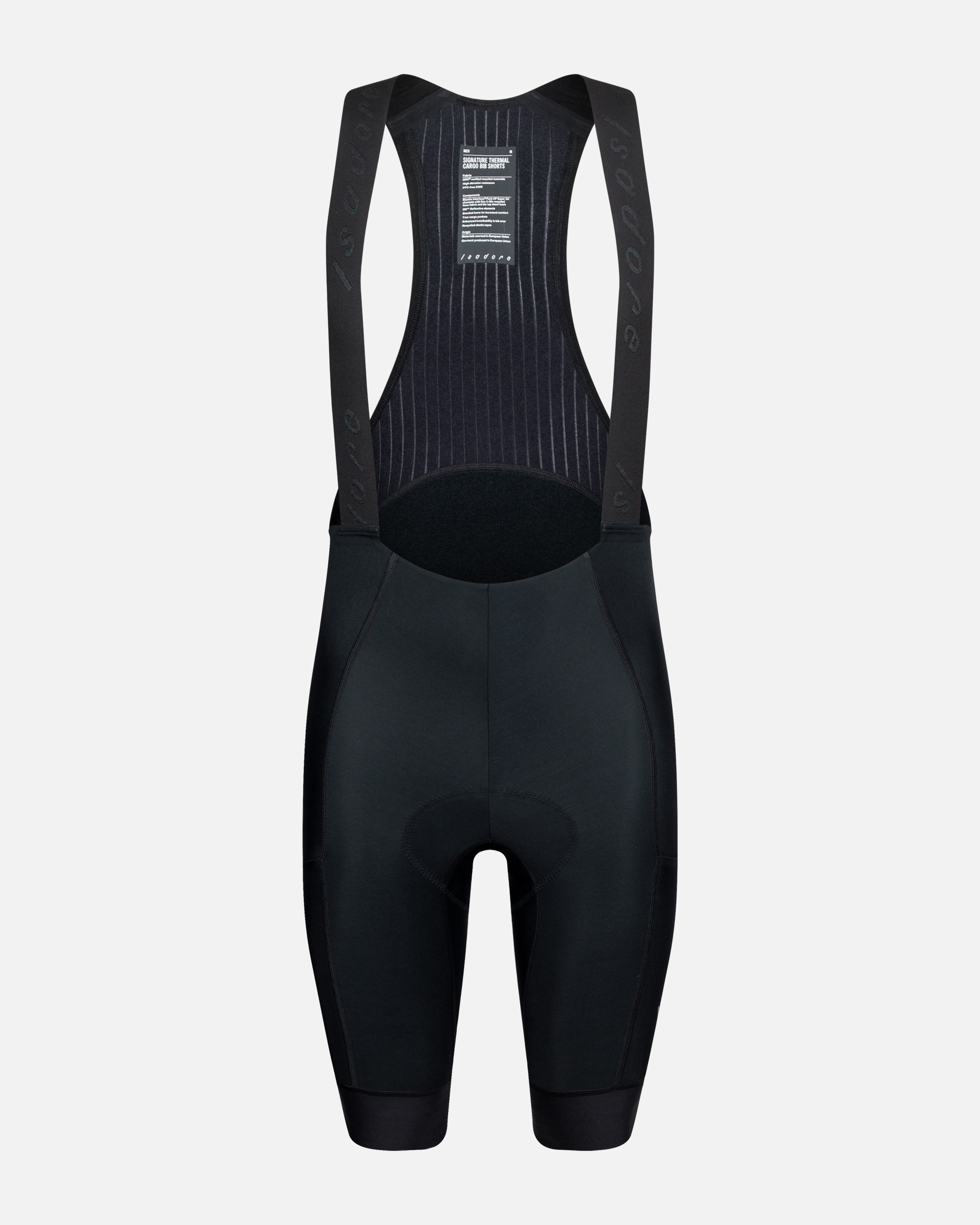

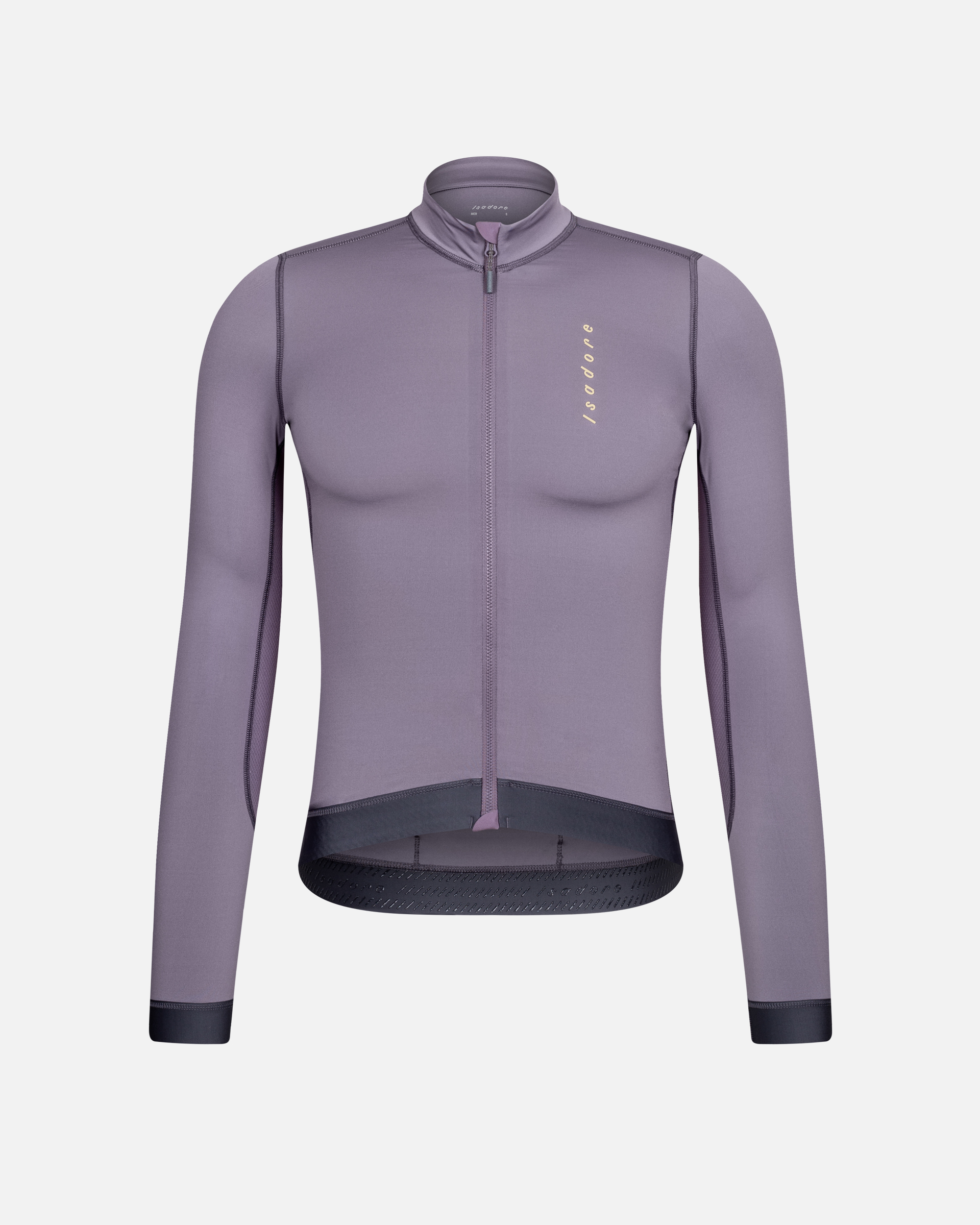
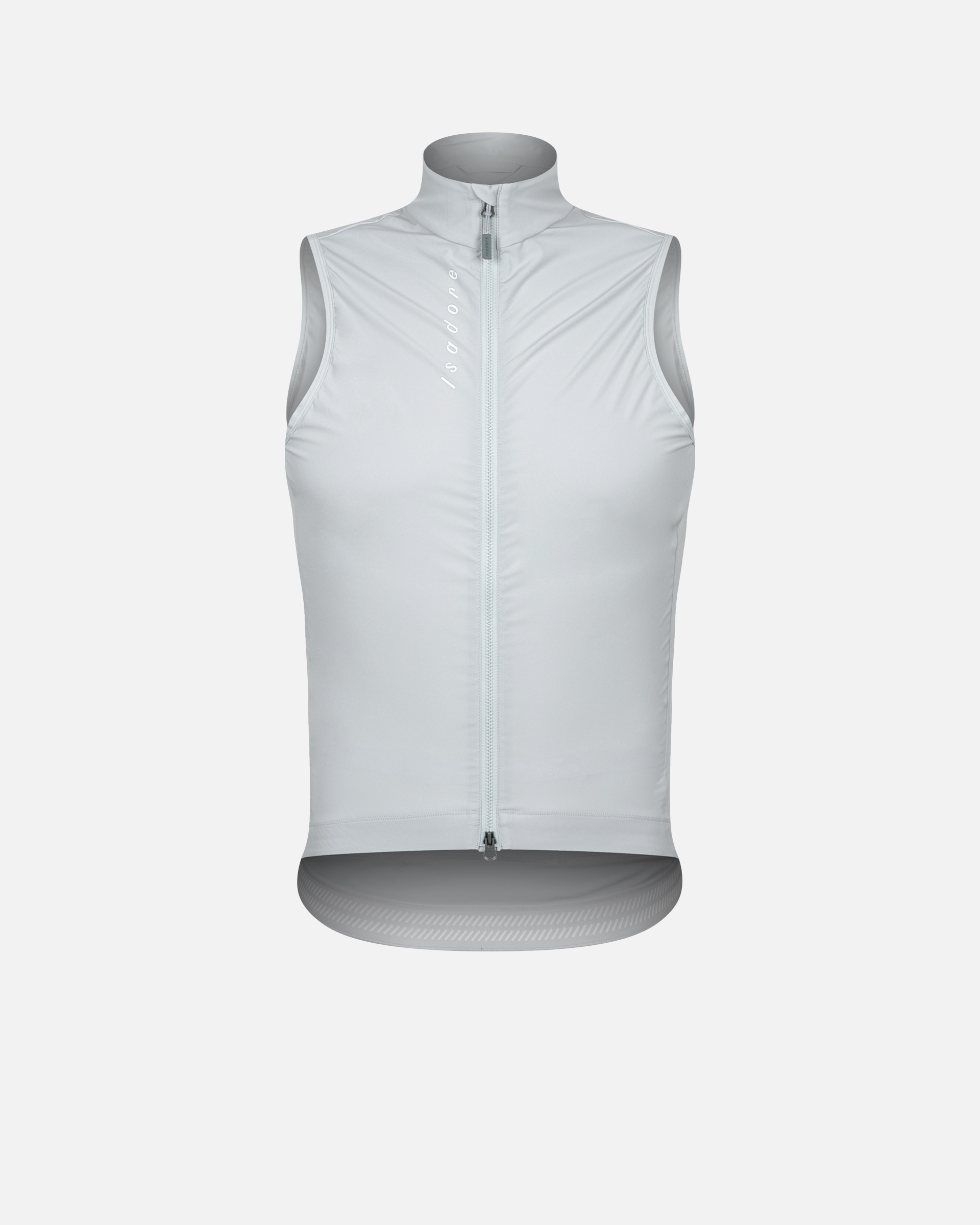


Autumn weather can change quickly, so always bring a jacket or gilet to protect yourself from sudden wind, rain or dropping temperatures. There are still plenty of opportunities for high-intensity rides in comfortable conditions, but be mindful when slowing down or stopping after a hard effort. Once you've worked up a sweat, your body can cool down surprisingly fast.






Mild winter
+5° to +10°C
Weather
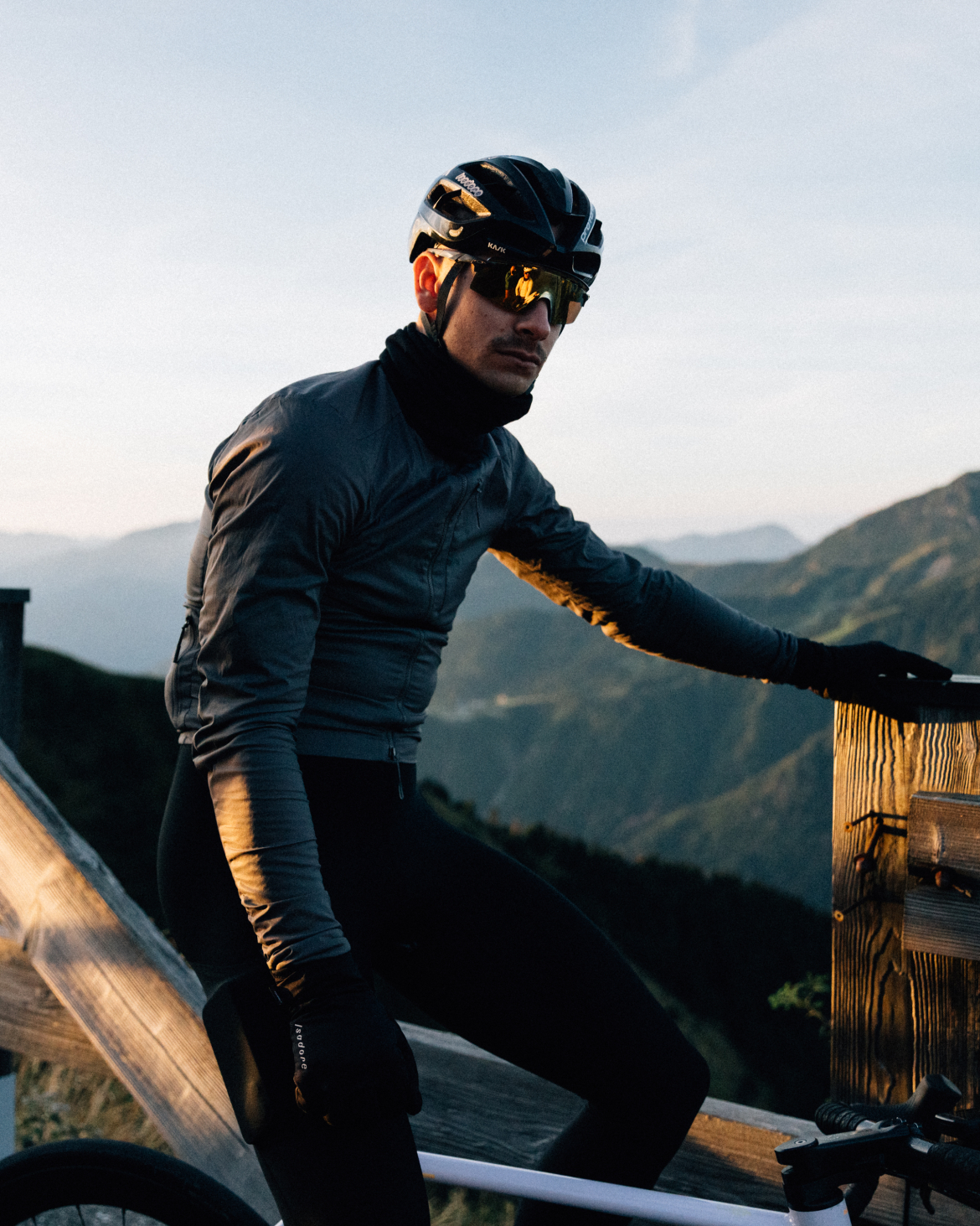
The days are short and the temperature can drop very quickly, especially under minimal or no sunlight. Watch out for a sharp drop in temperature after sunset.
Start your ride feeling slightly cool, allowing your body to generate heat as you get moving. Avoid overdressing, as excessive sweating can leave you feeling cold once you slow down. Choose layers that provide warmth while allowing you to ventilate and manage moisture, especially around your chest and neck. Remember to fuel properly, as your body uses extra energy to stay warm in colder conditions, particularly during longer rides or at a slower pace.
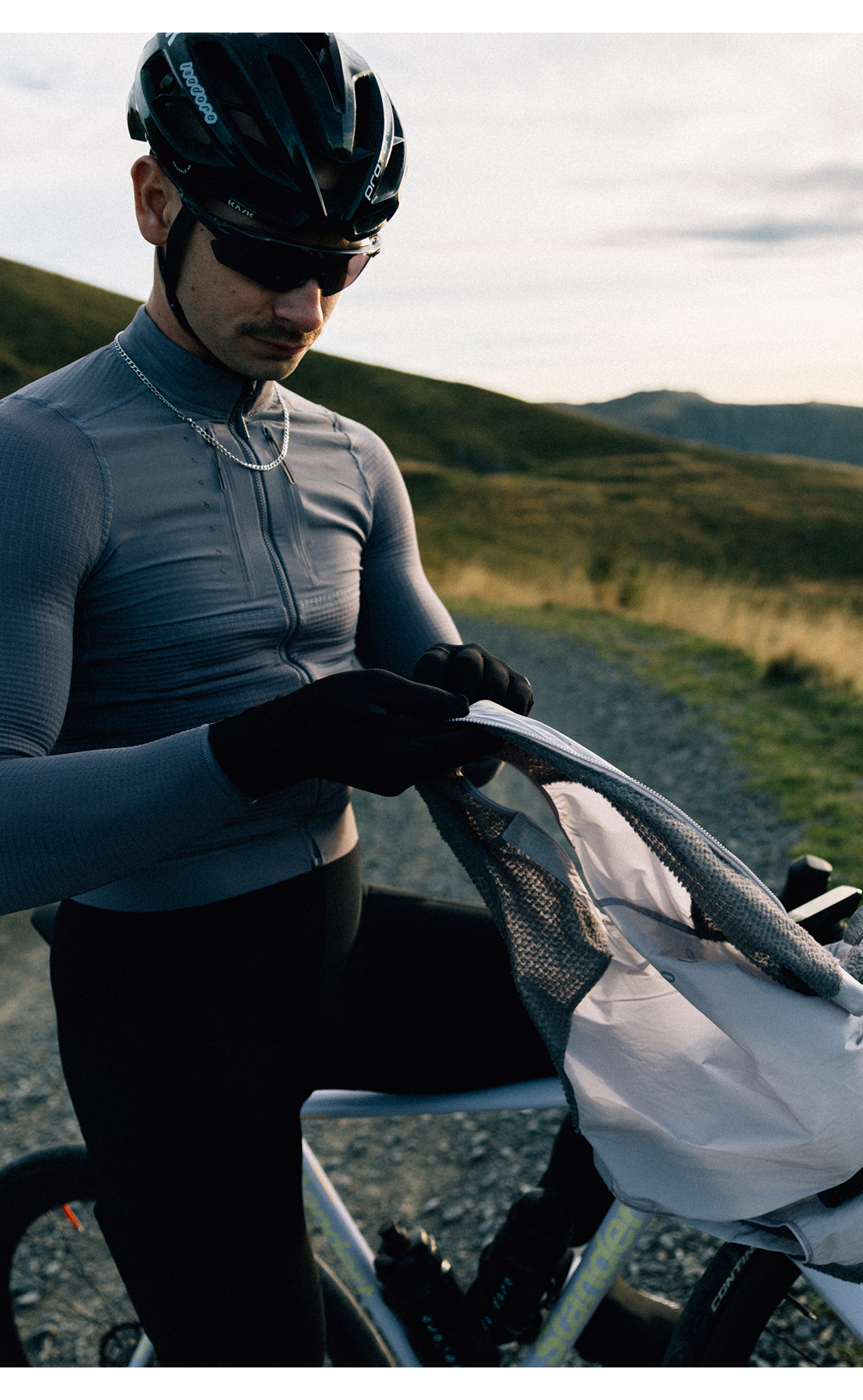
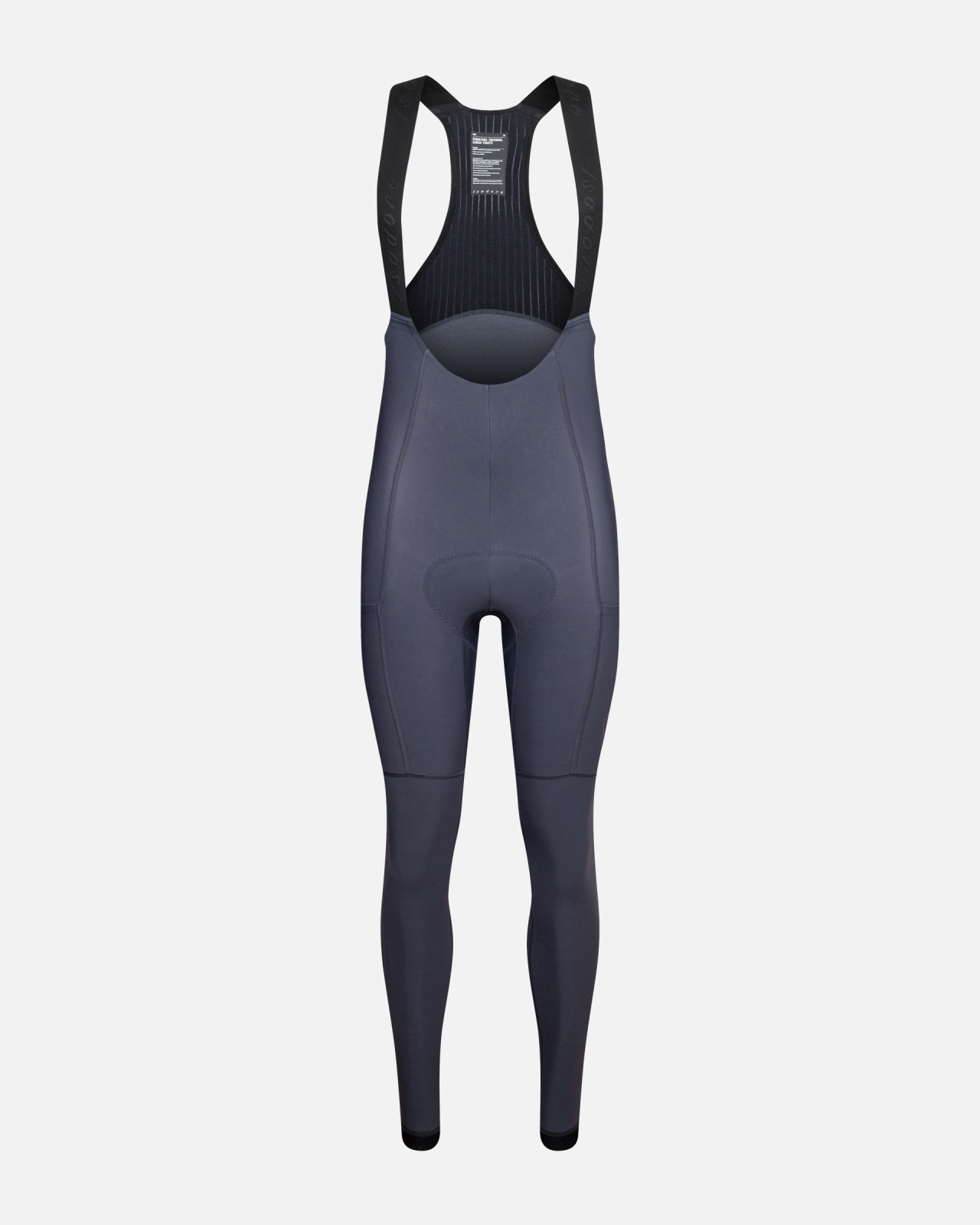
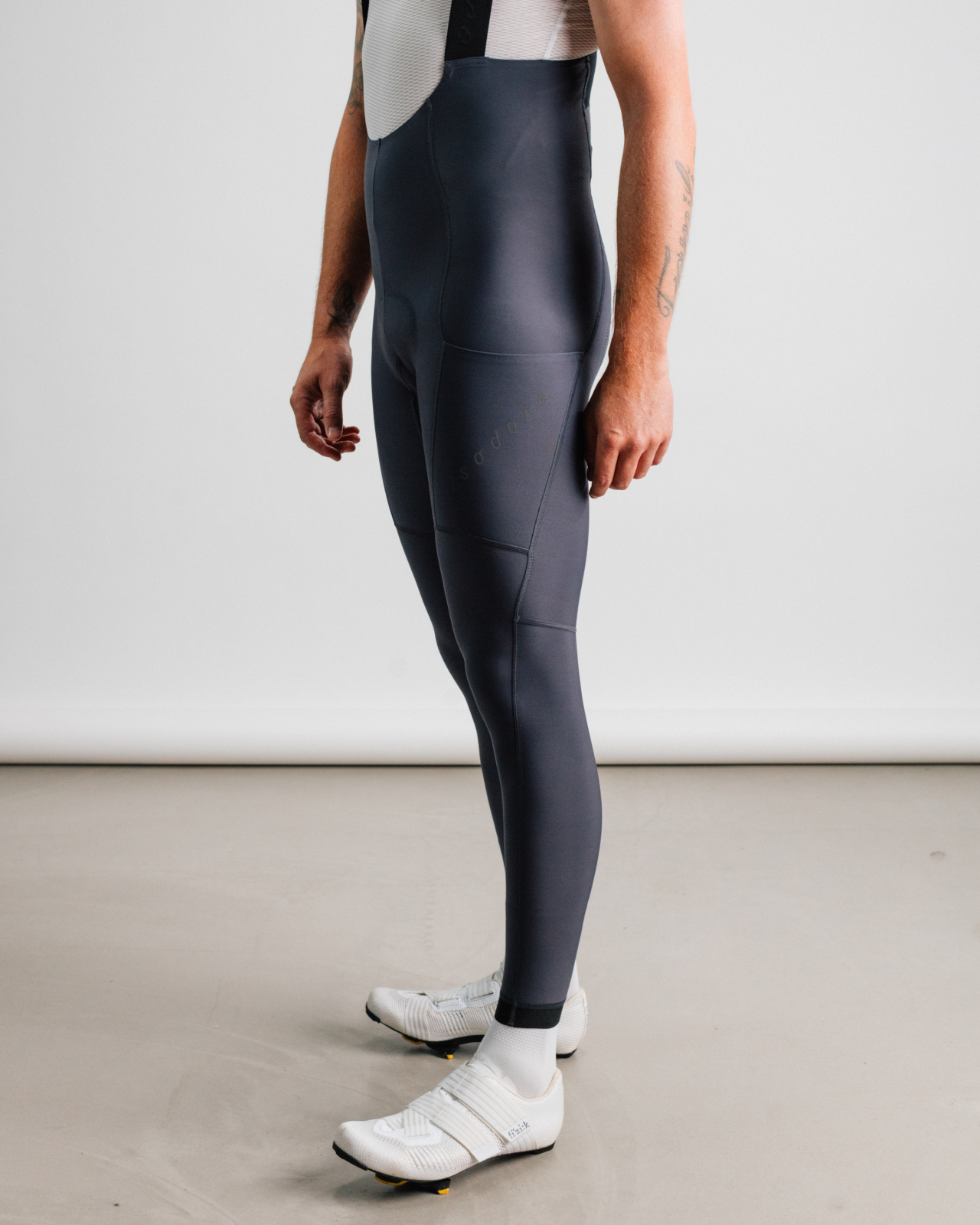

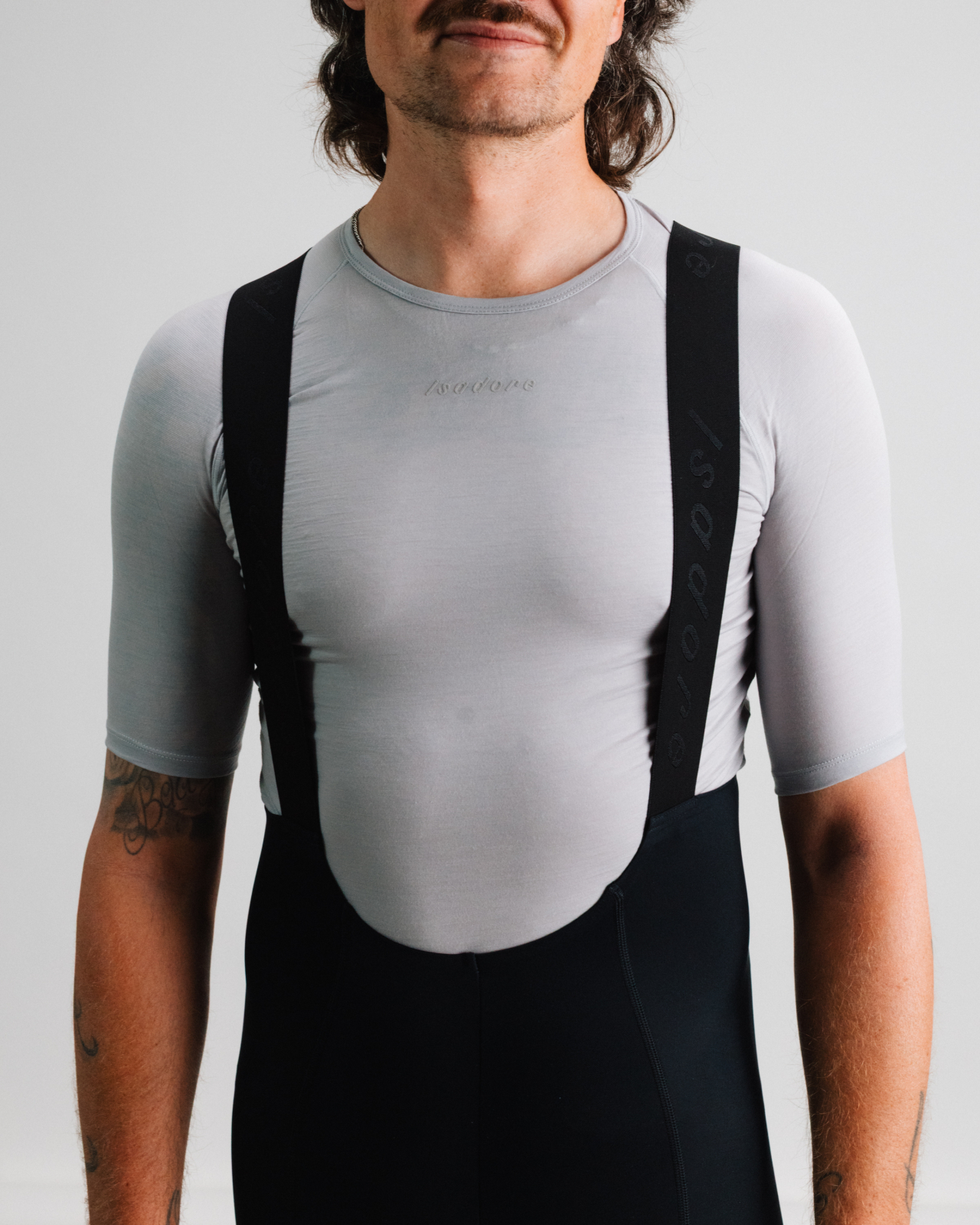
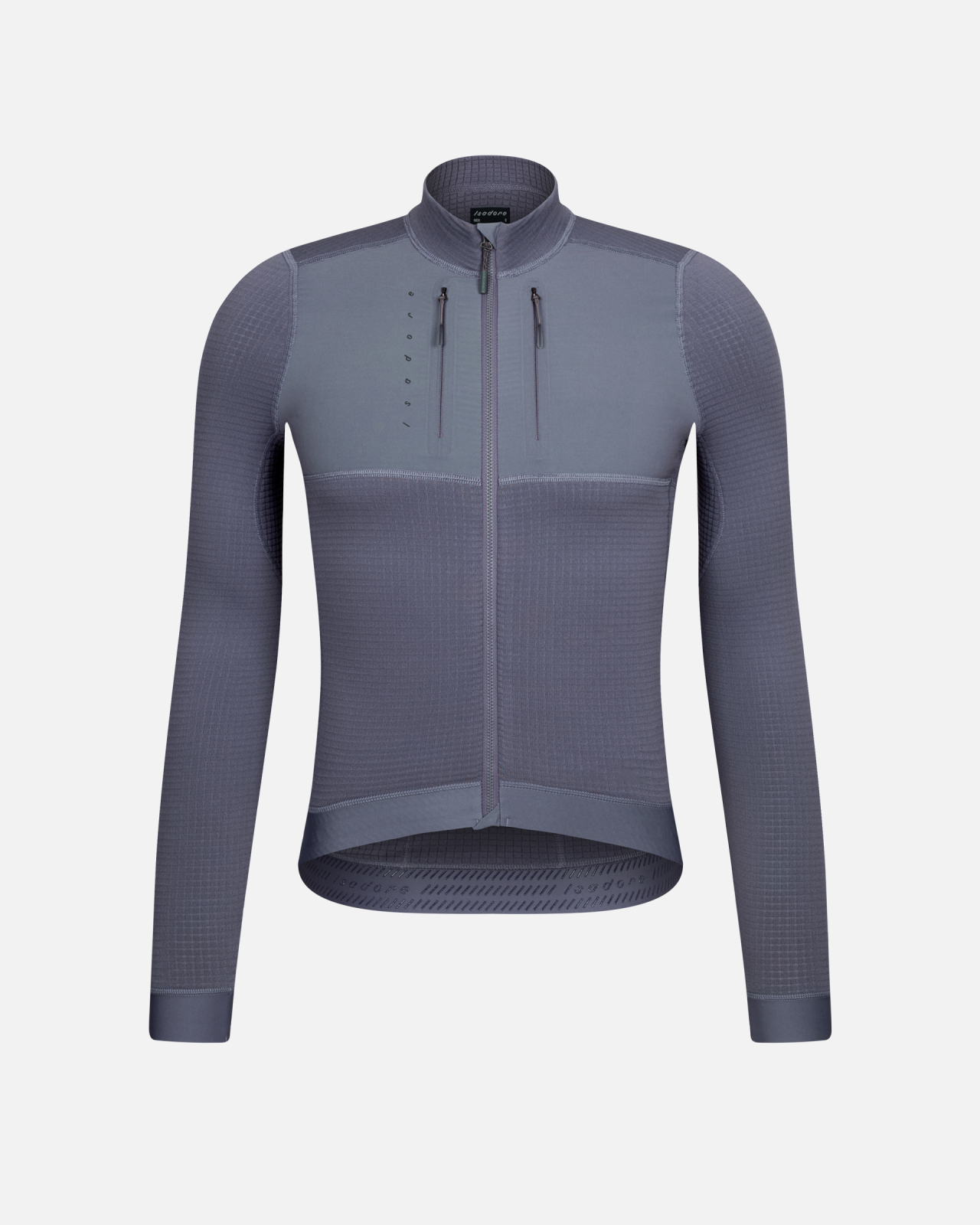
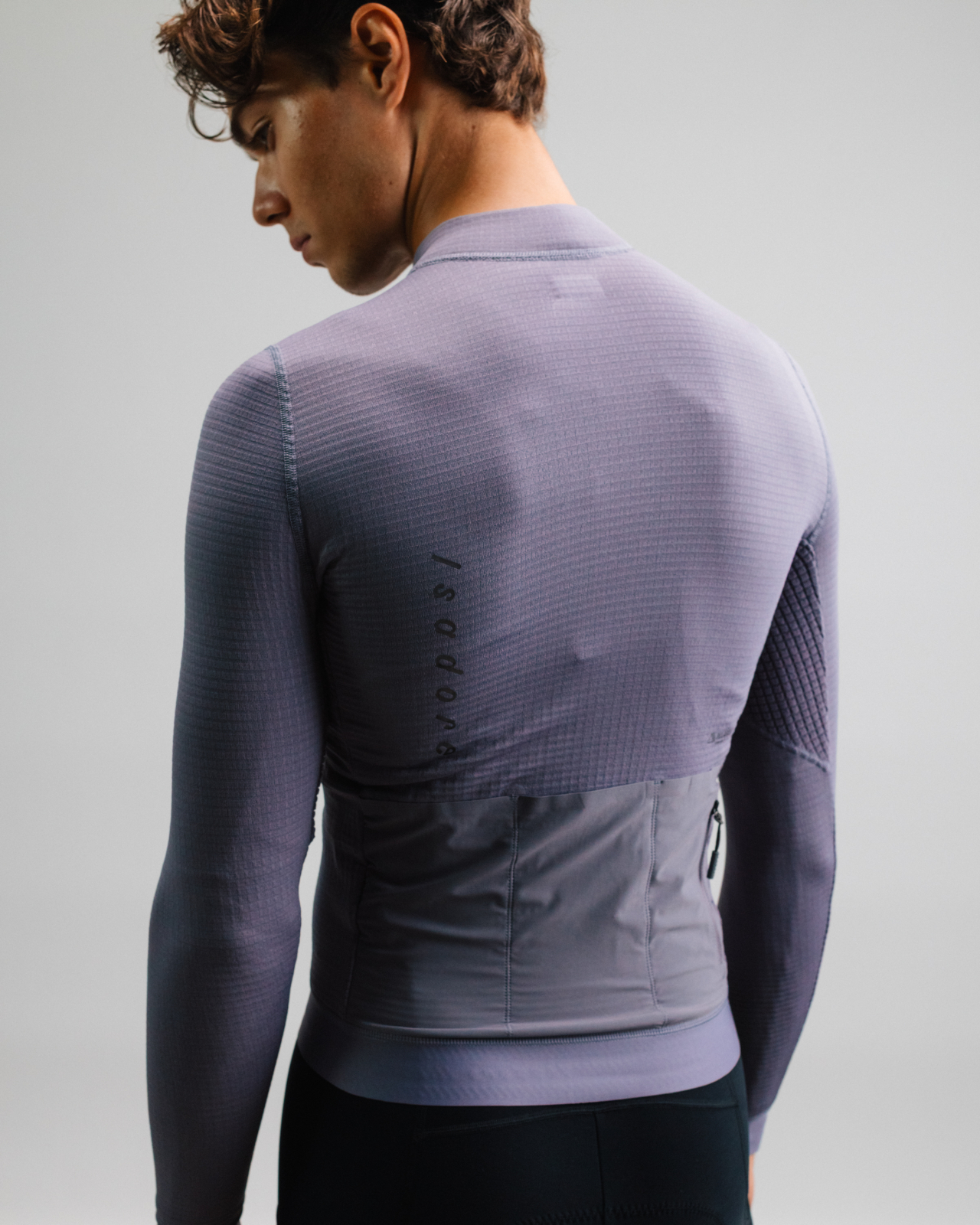
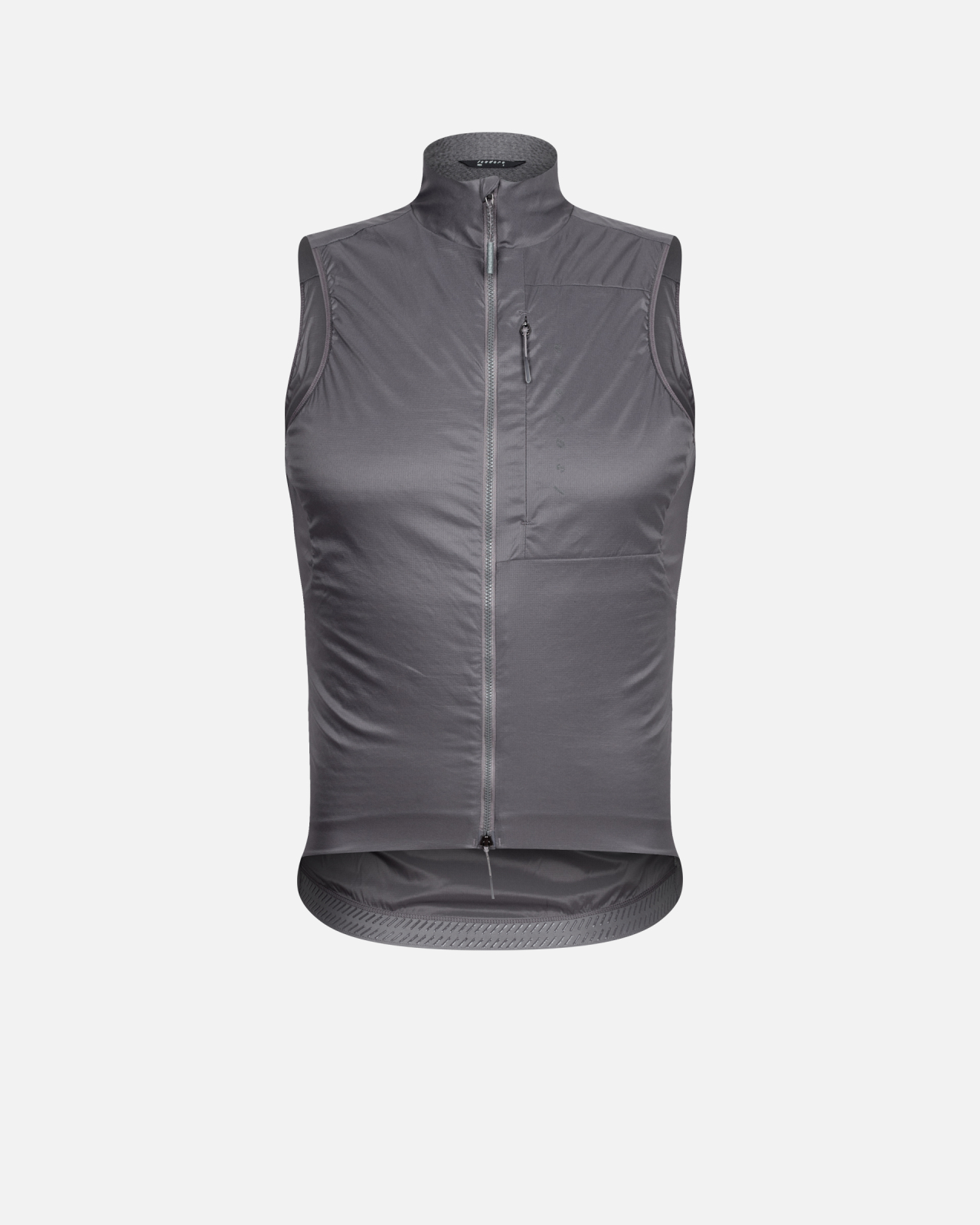
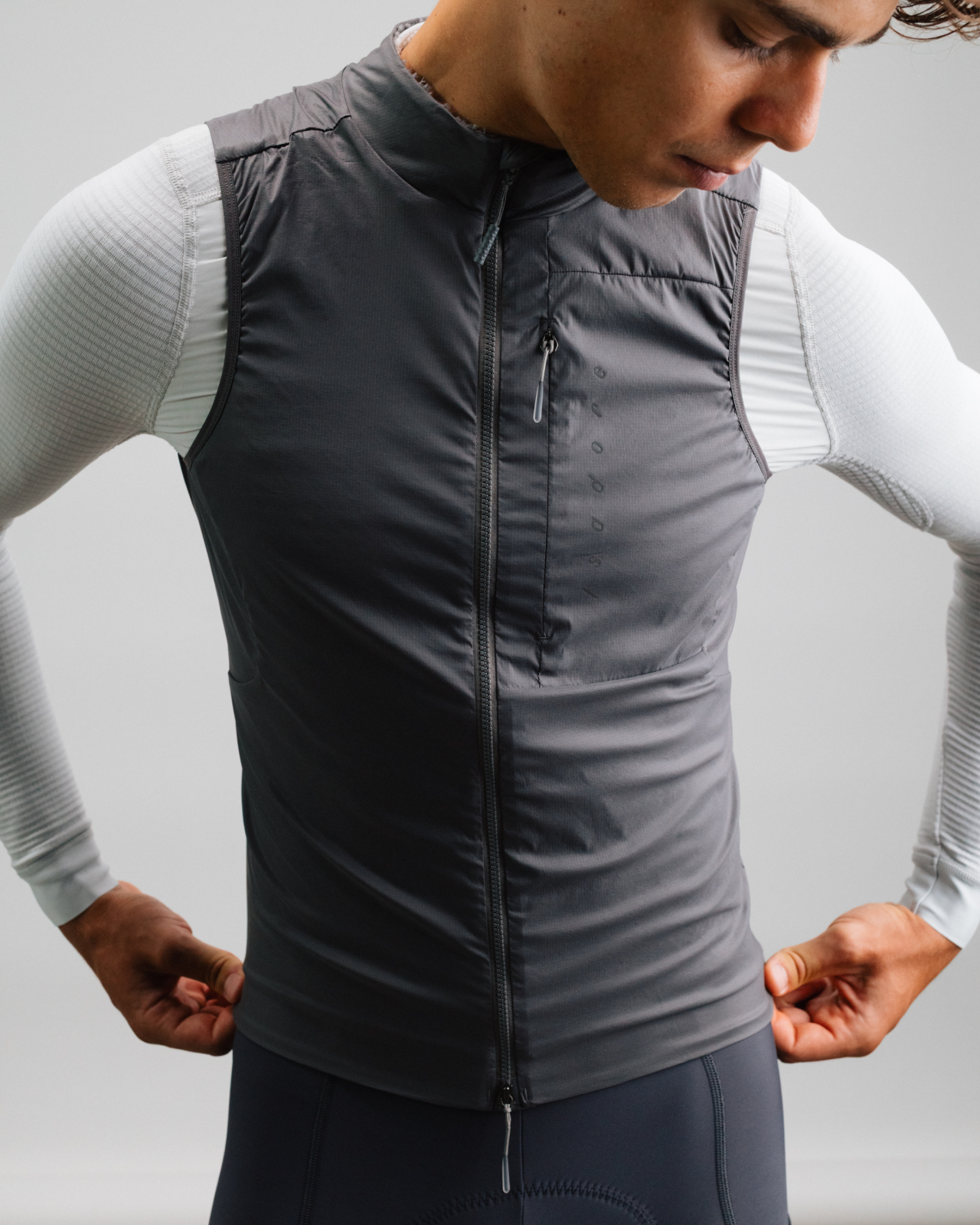


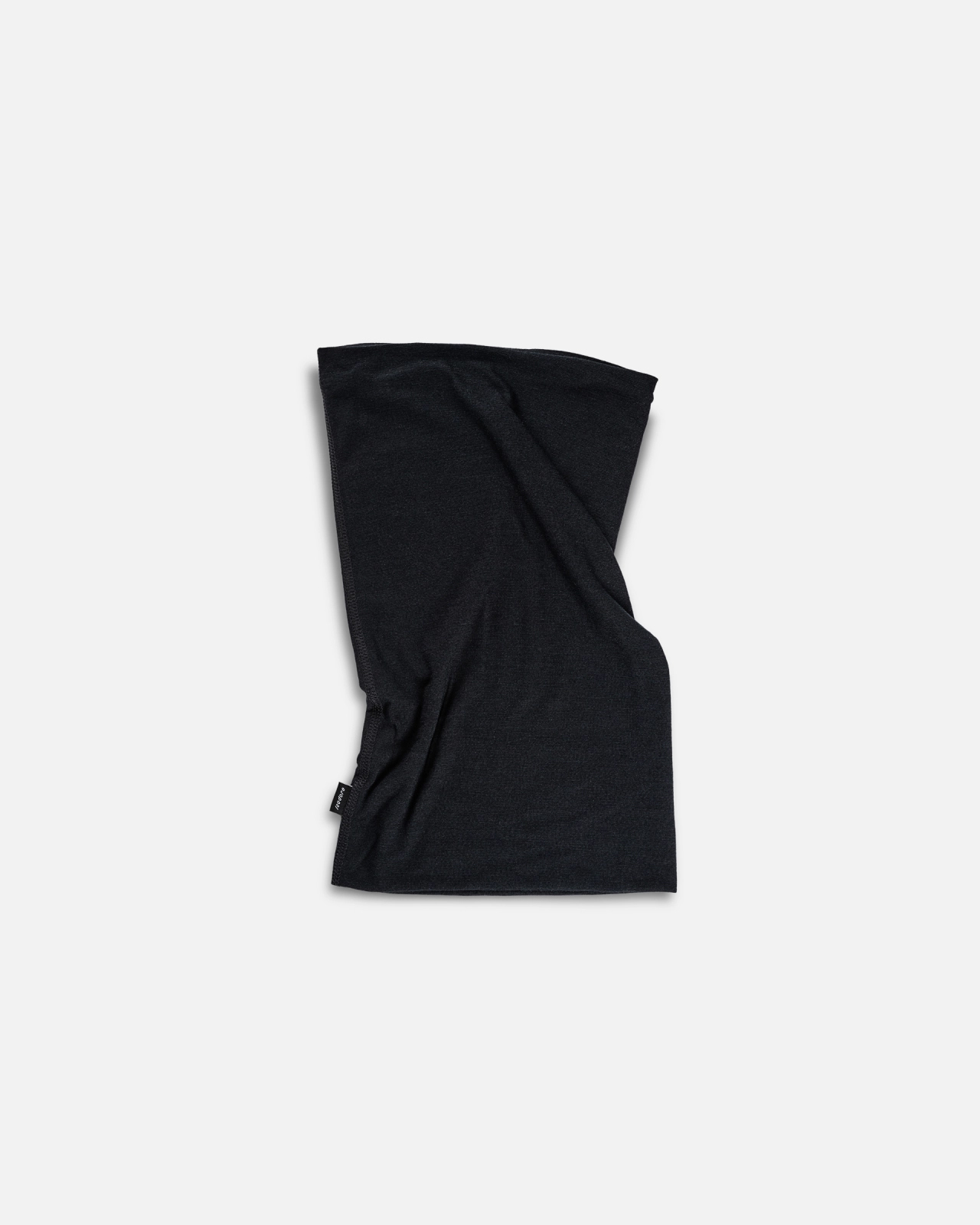
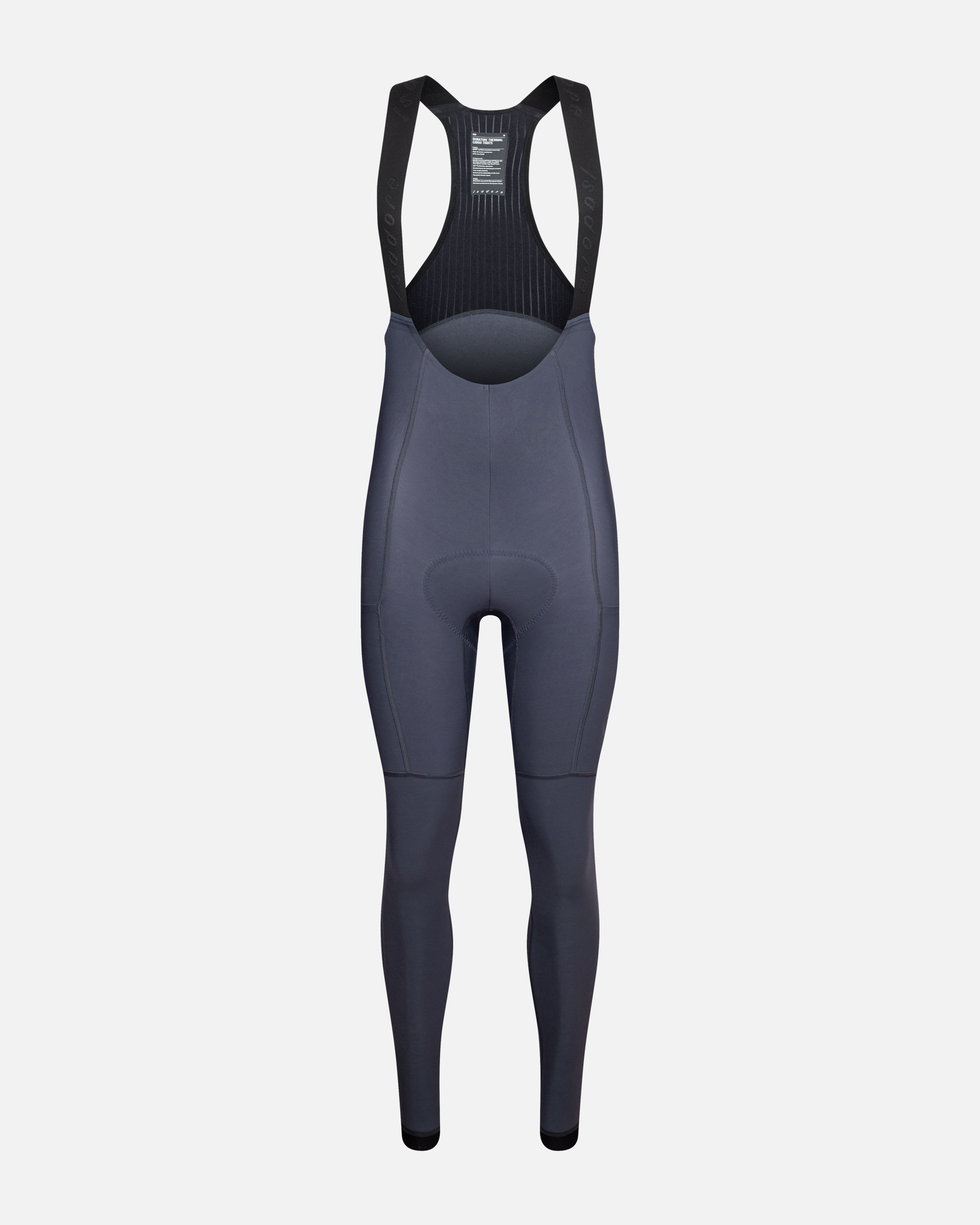

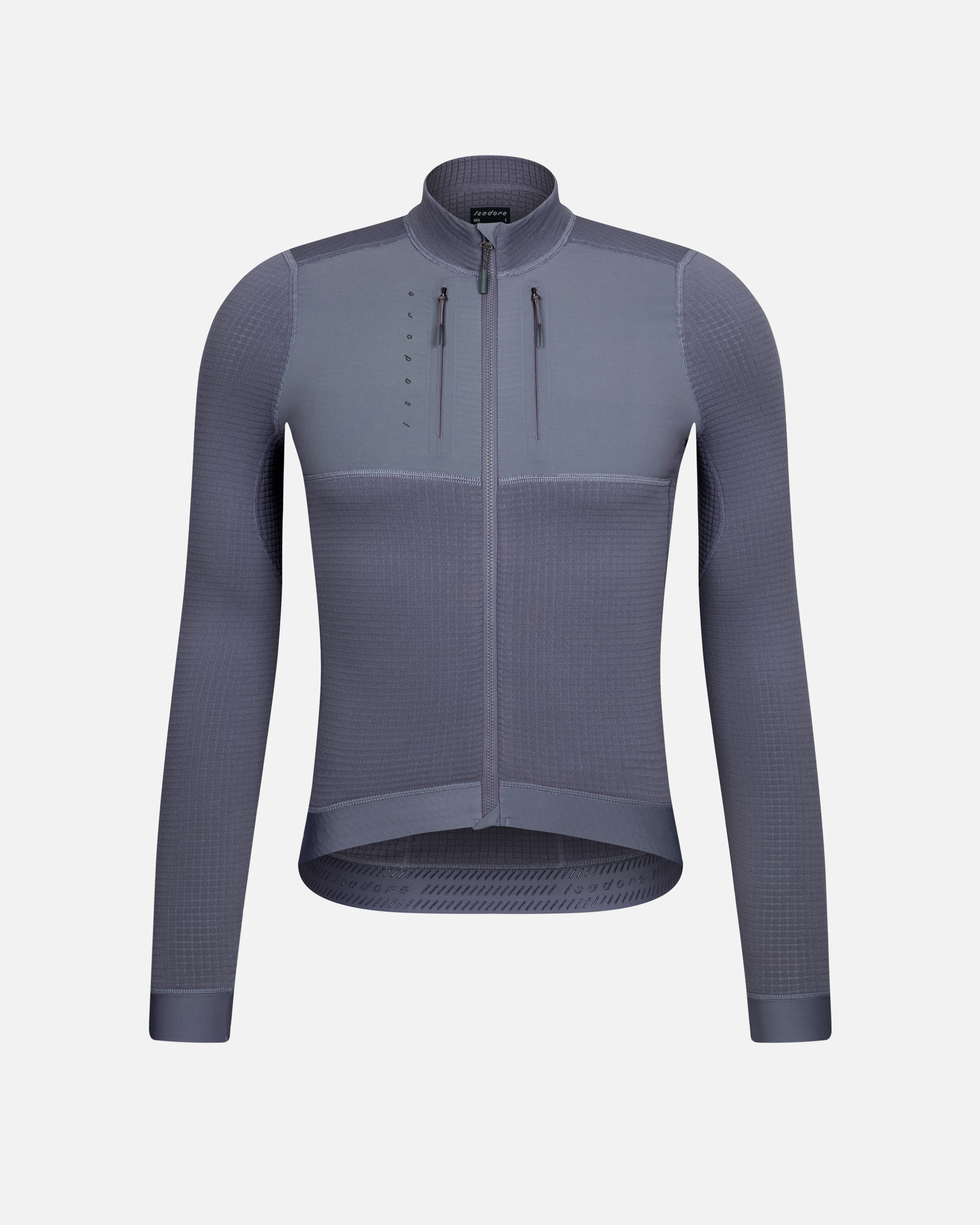
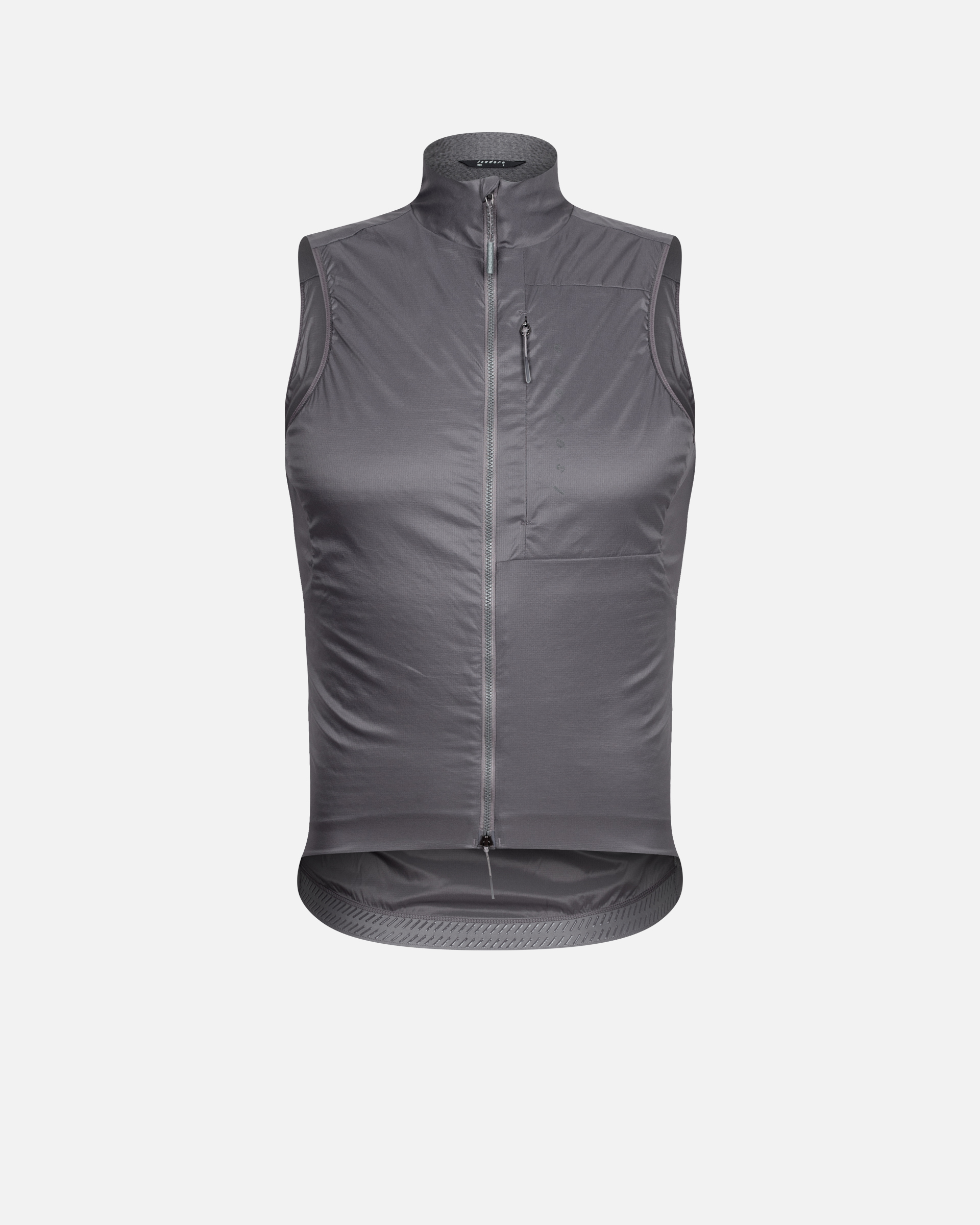


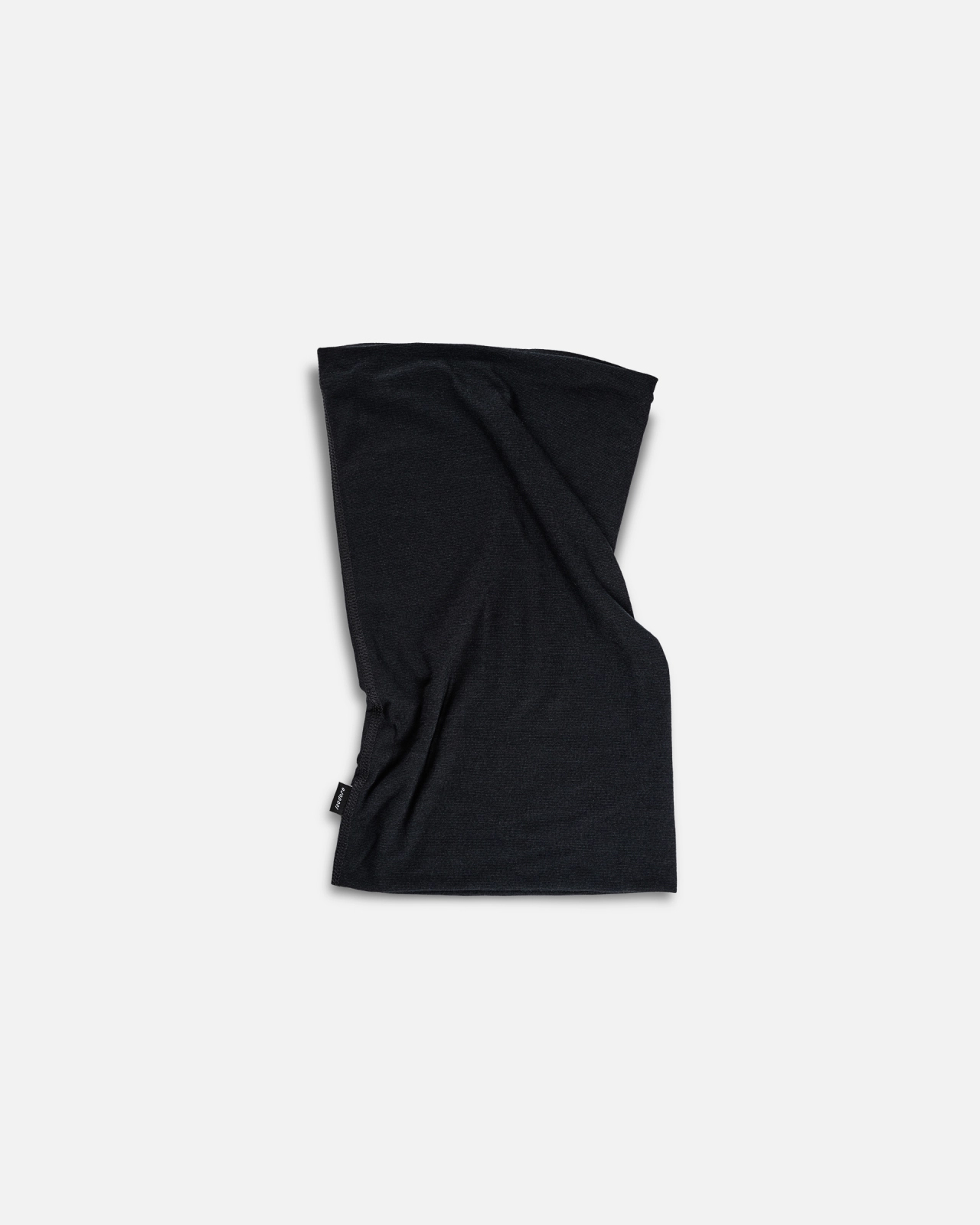
Start your ride feeling slightly cool, allowing your body to generate heat as you get moving. Avoid overdressing, as excessive sweating can leave you feeling cold once you slow down. Choose layers that provide warmth while allowing you to ventilate and manage moisture, especially around your chest and neck. Remember to fuel properly, as your body uses extra energy to stay warm in colder conditions, particularly during longer rides or at a slower pace.
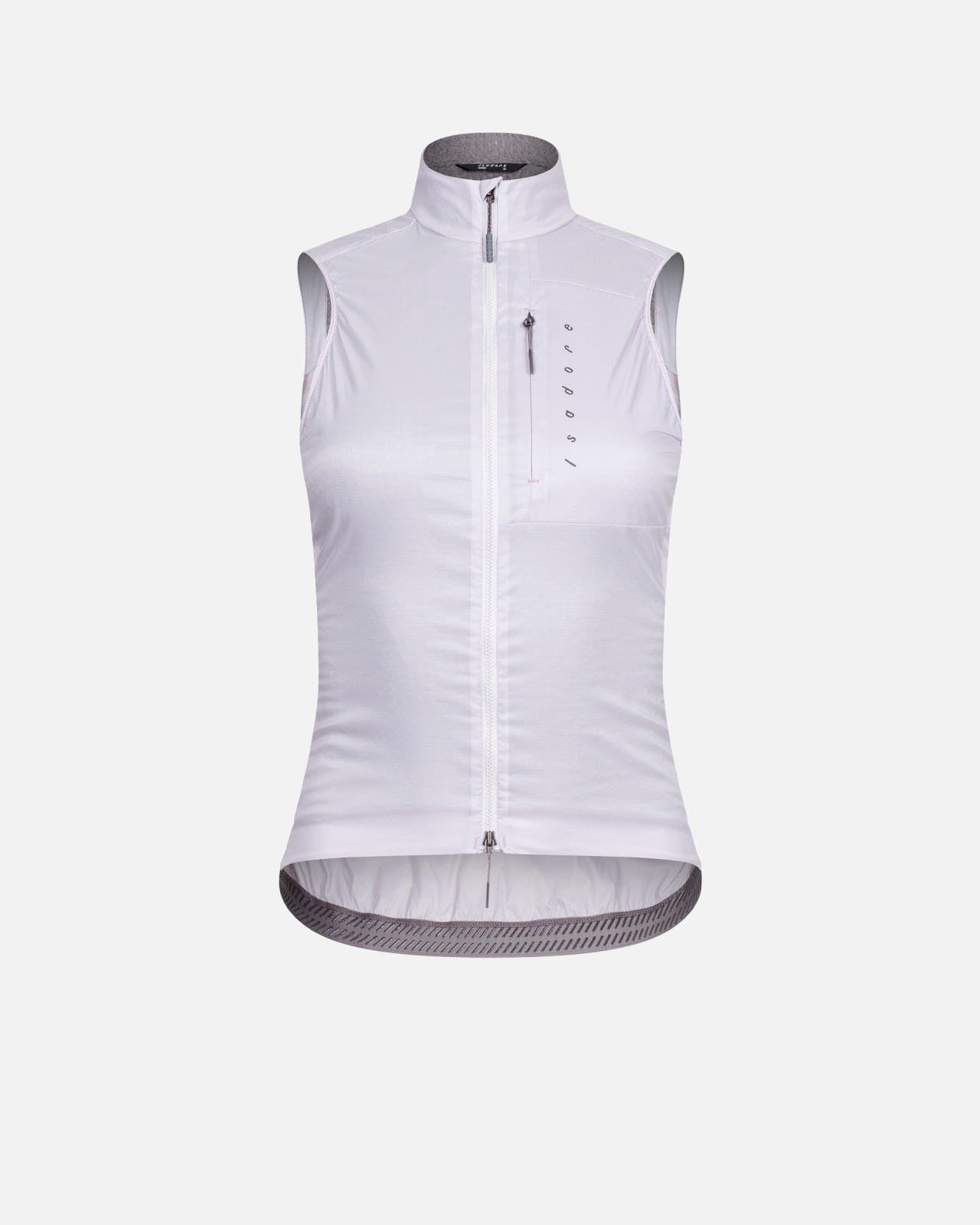
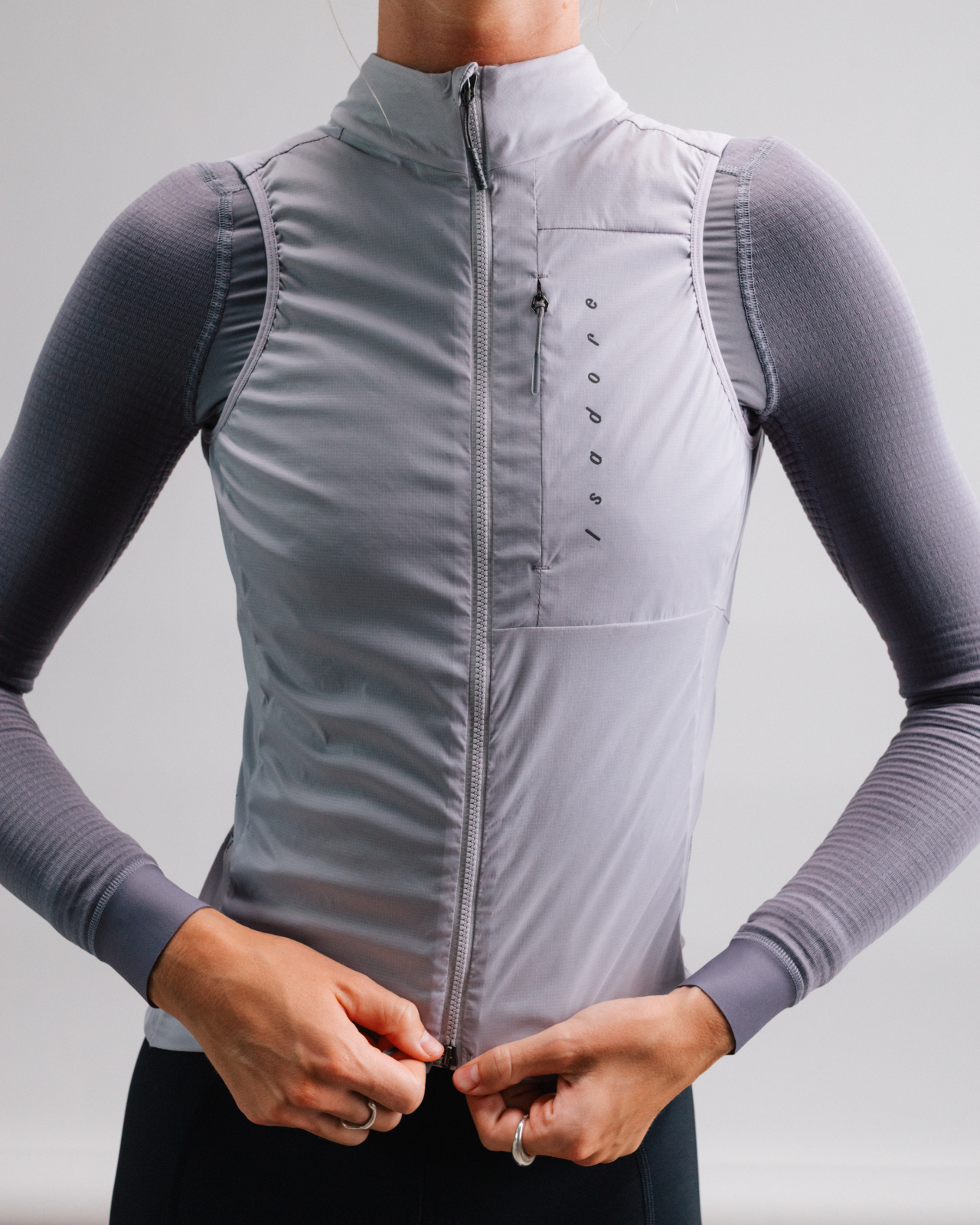


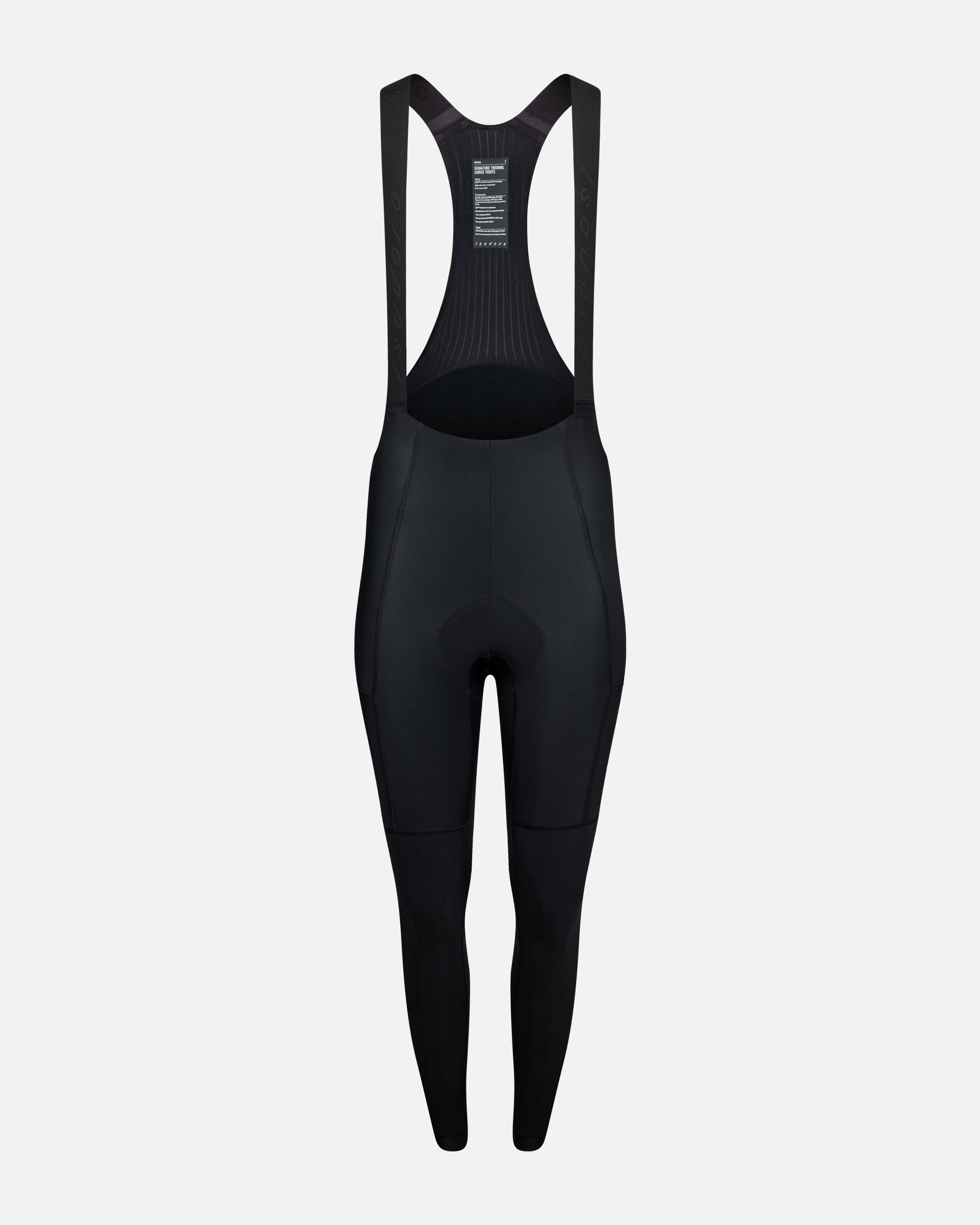
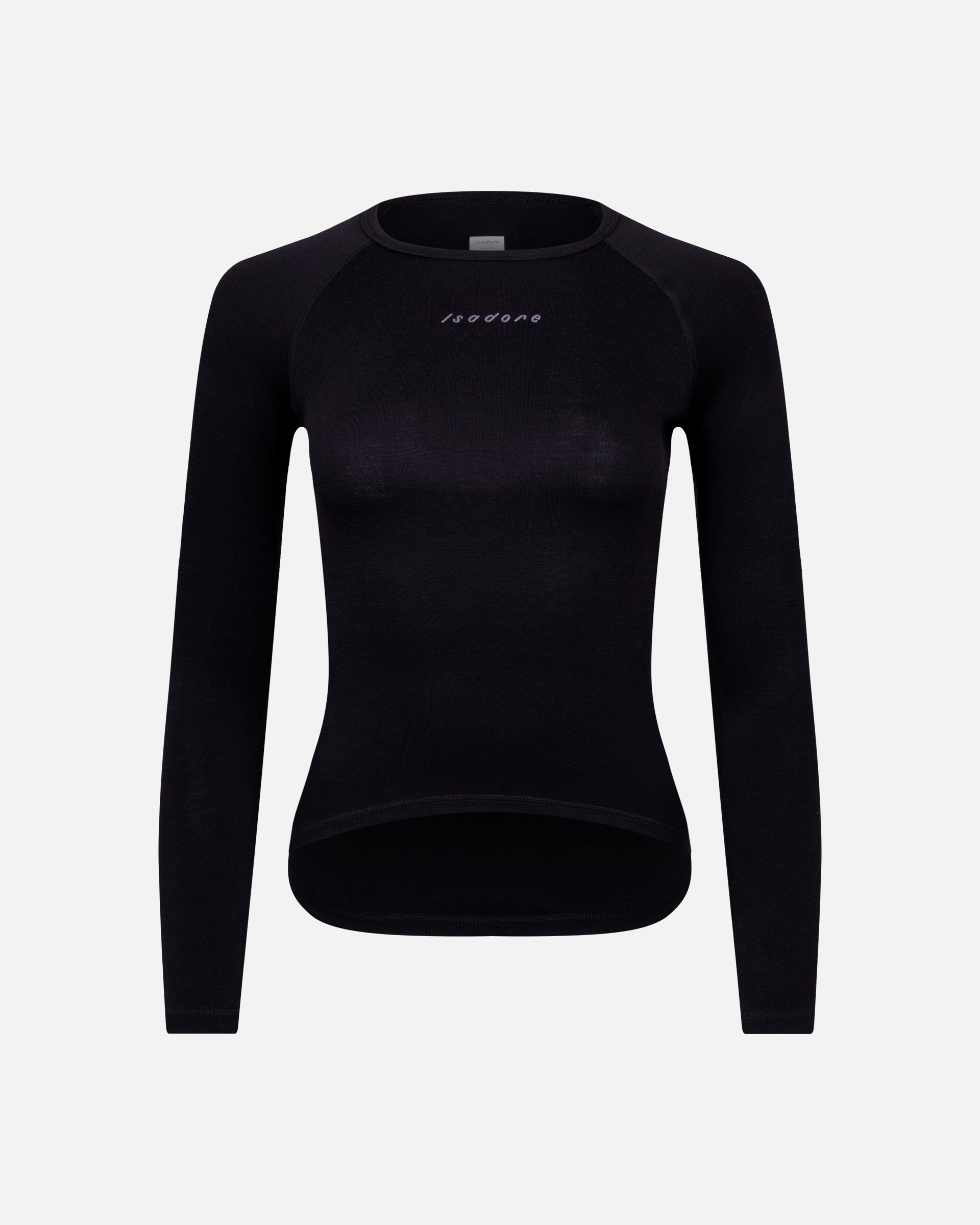
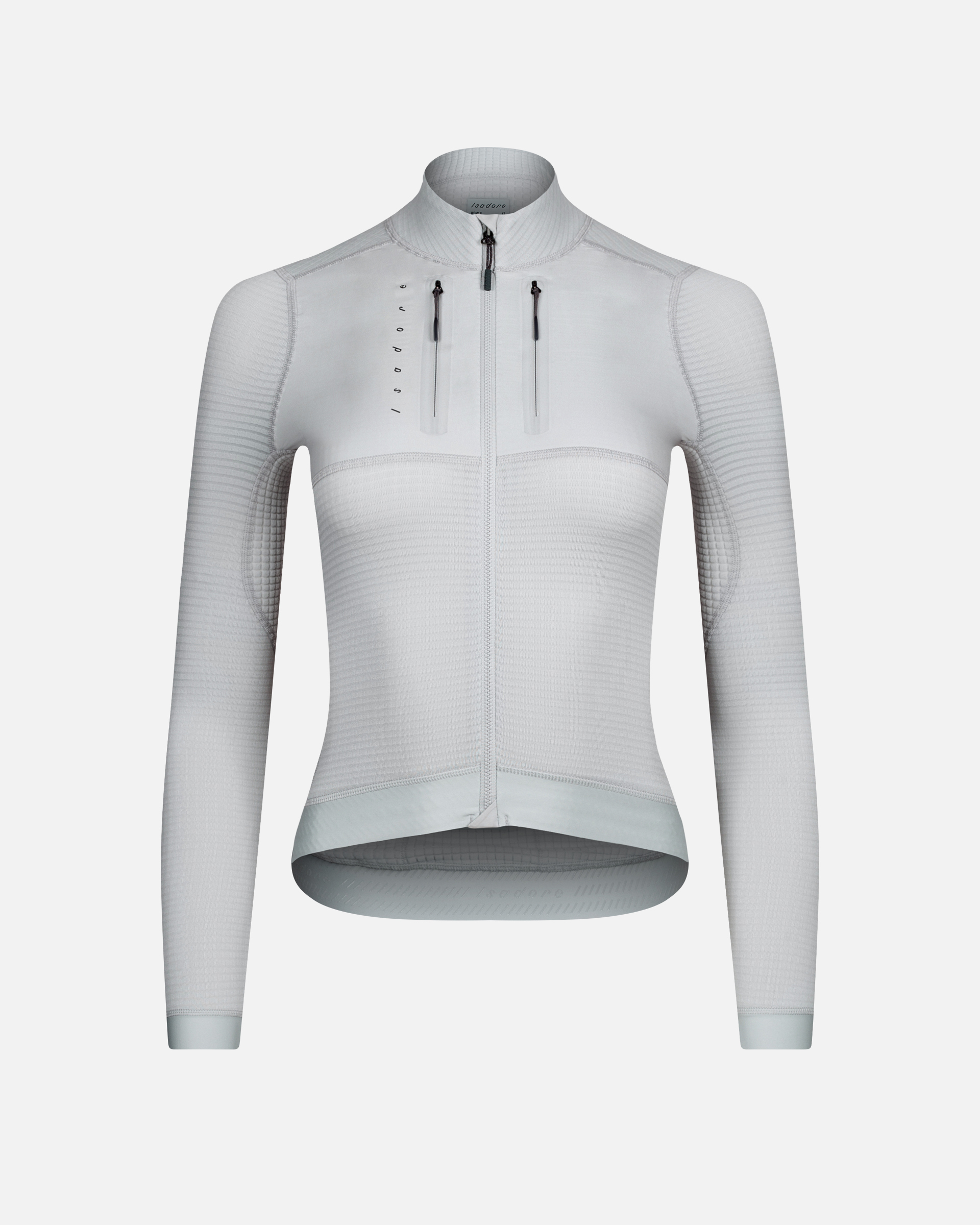
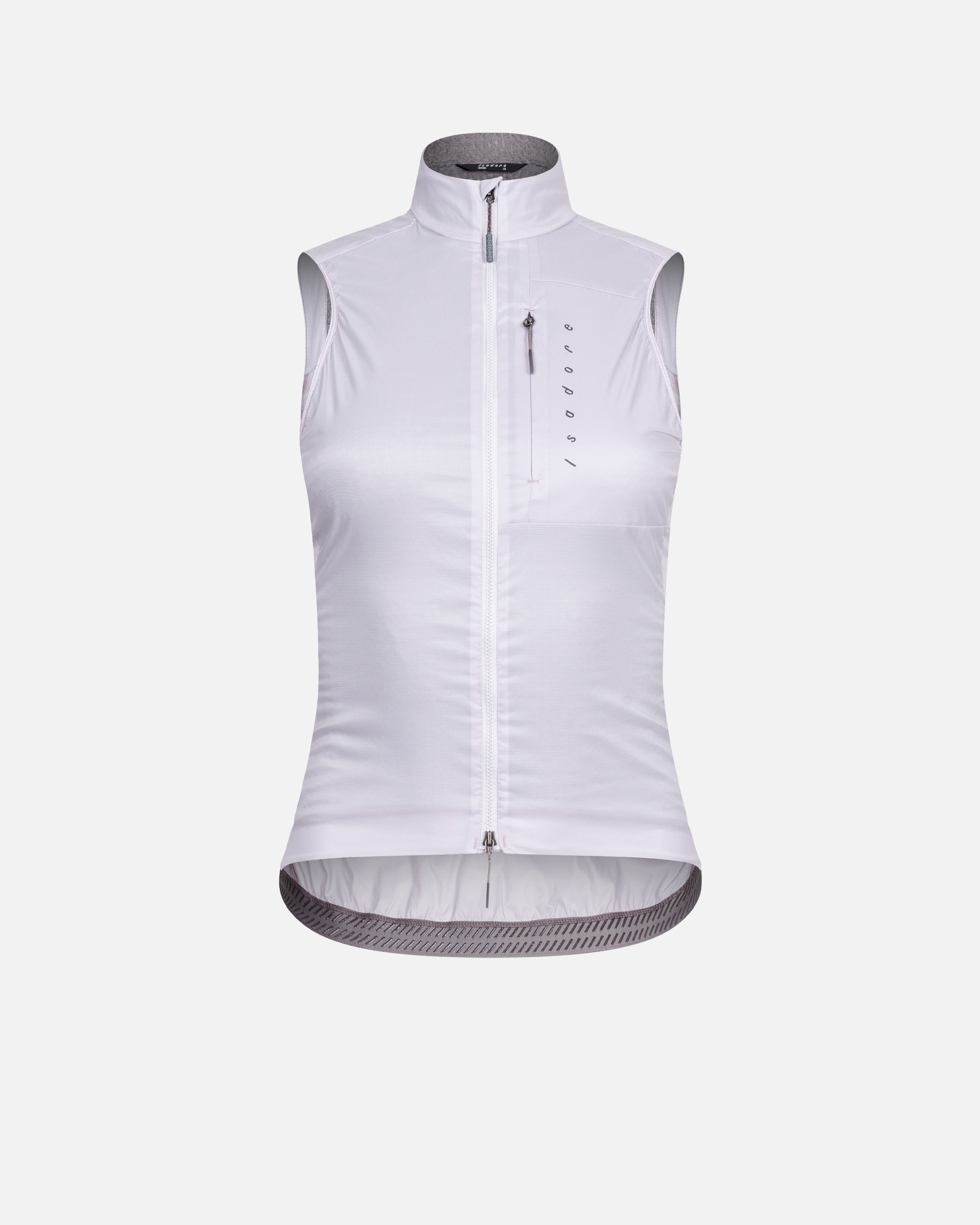


Dry Deep winter
-5° to +5°C
Weather
Frosty but sunny days with no wind and temperatures well below the freezing point, but also cloudy weather with the possibility of sleet or snowing. Very harsh conditions that require keeping the core warm.
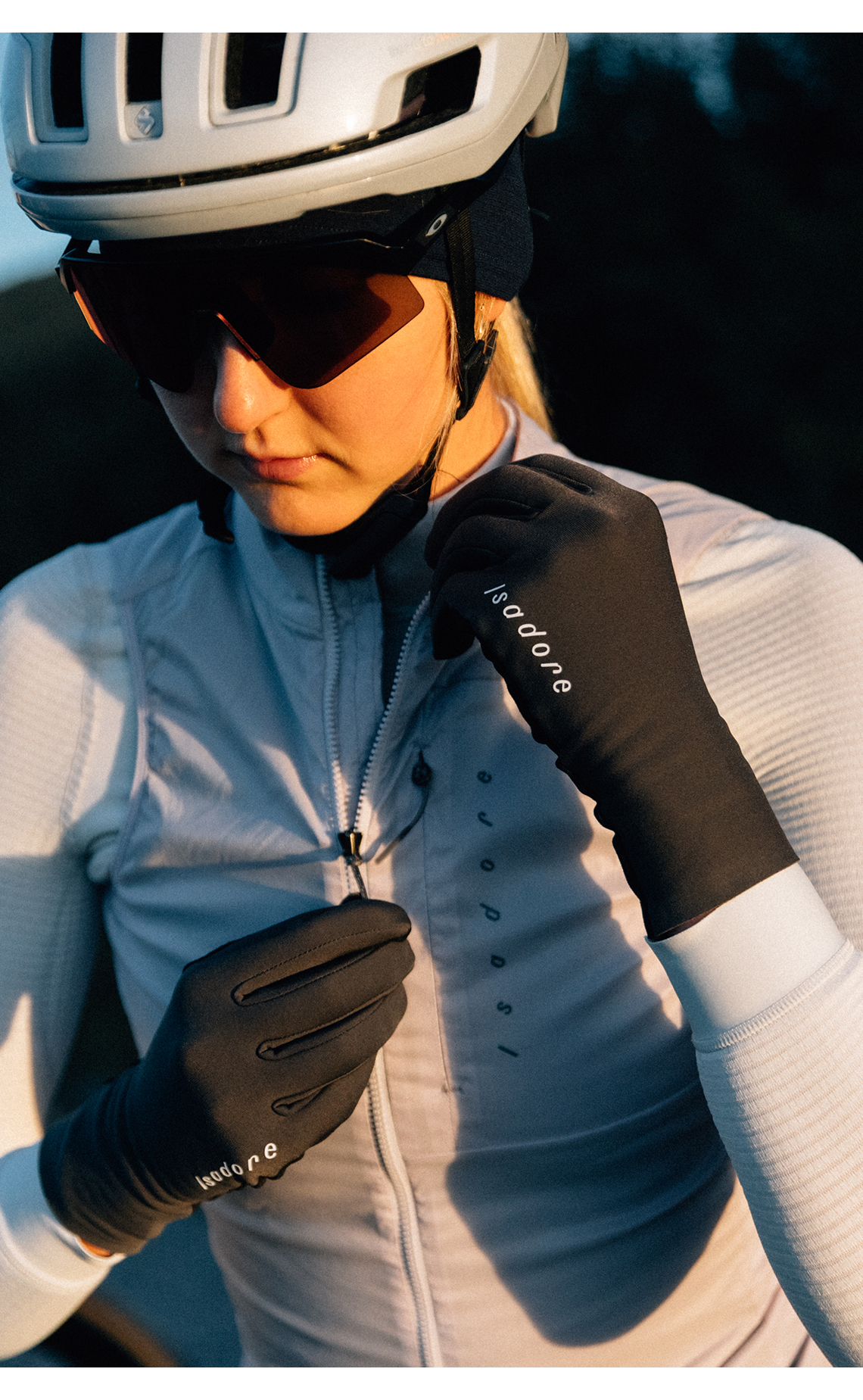
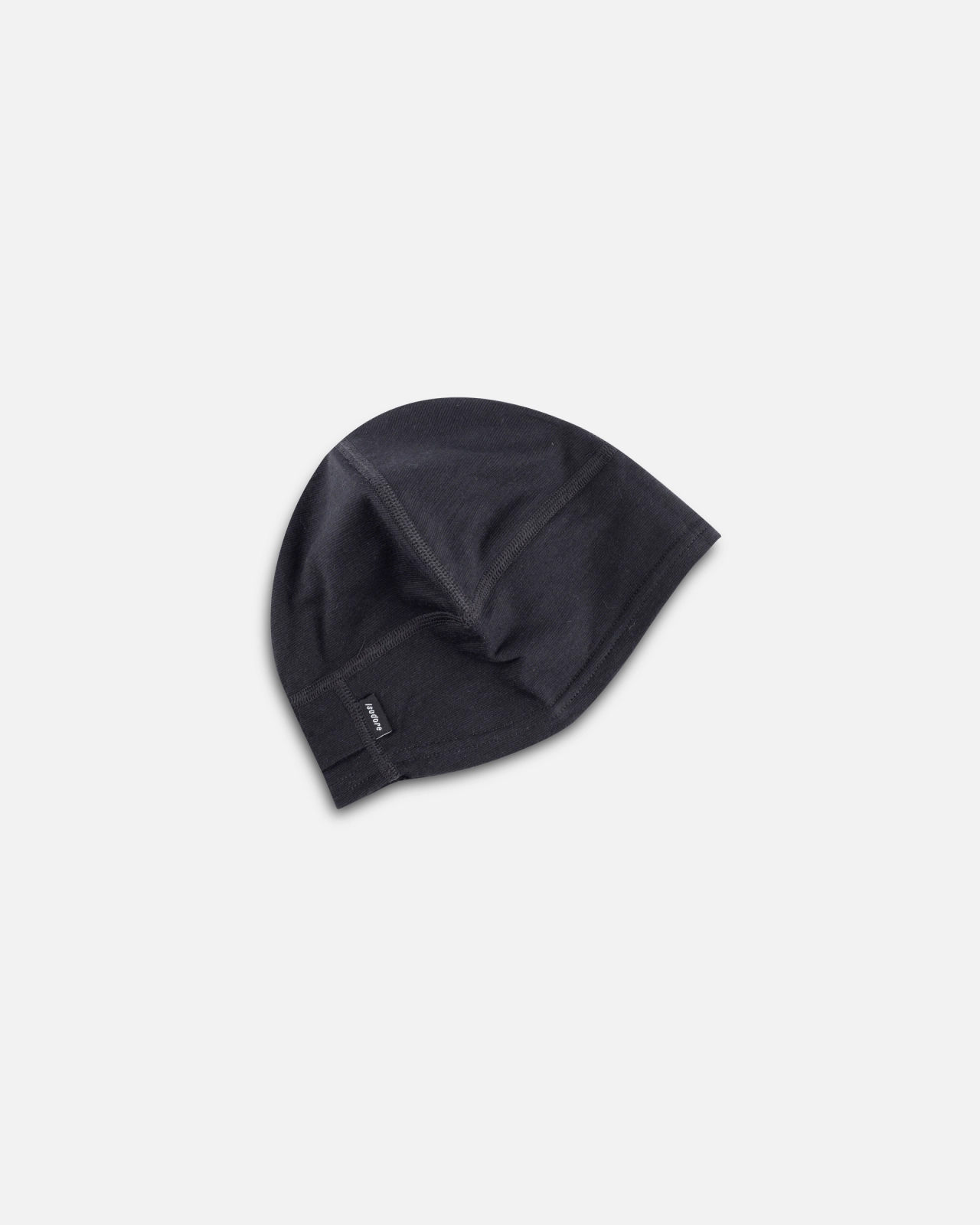
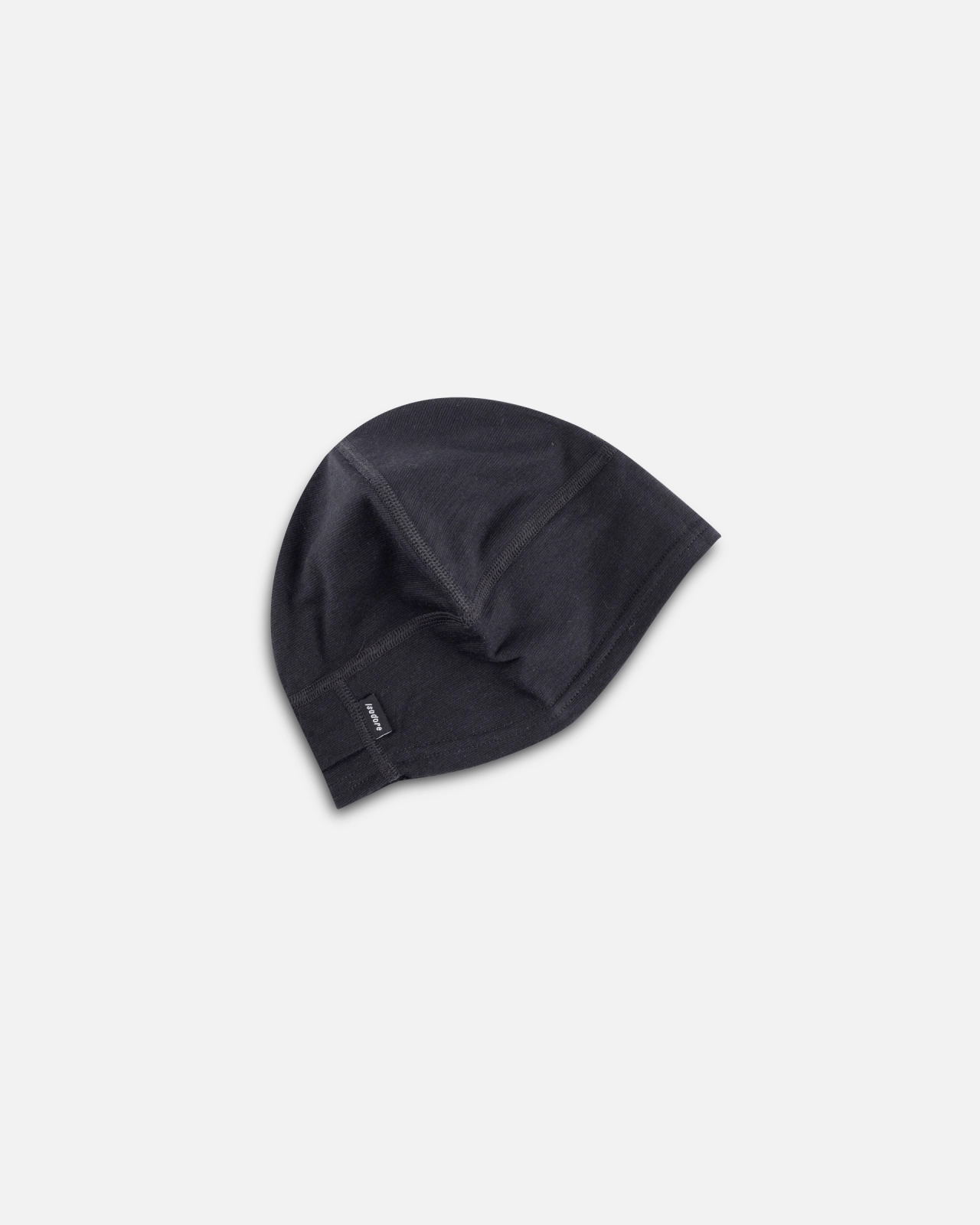
In deep winter, choosing the right baselayer is essential for maintaining a comfortable core temperature. Layer up to balance warmth, breathability and ventilation, while paying extra attention to your extremities. Fingers, toes, ears and forehead are particularly vulnerable to the cold. If you stop for a coffee or snack, give your outer layers a chance to dry before heading off again. This will help prevent a sudden chill when you get back on the bike.
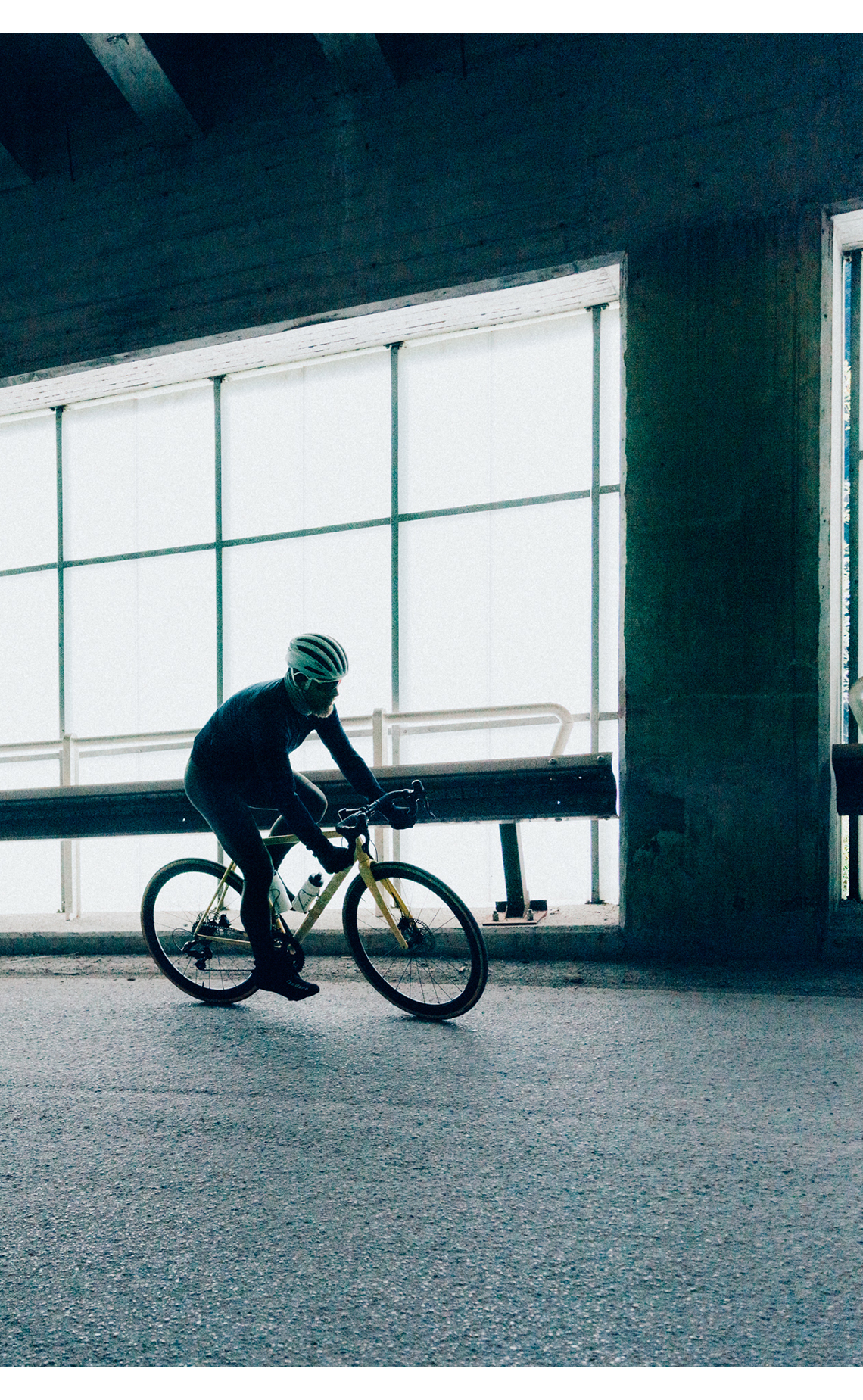


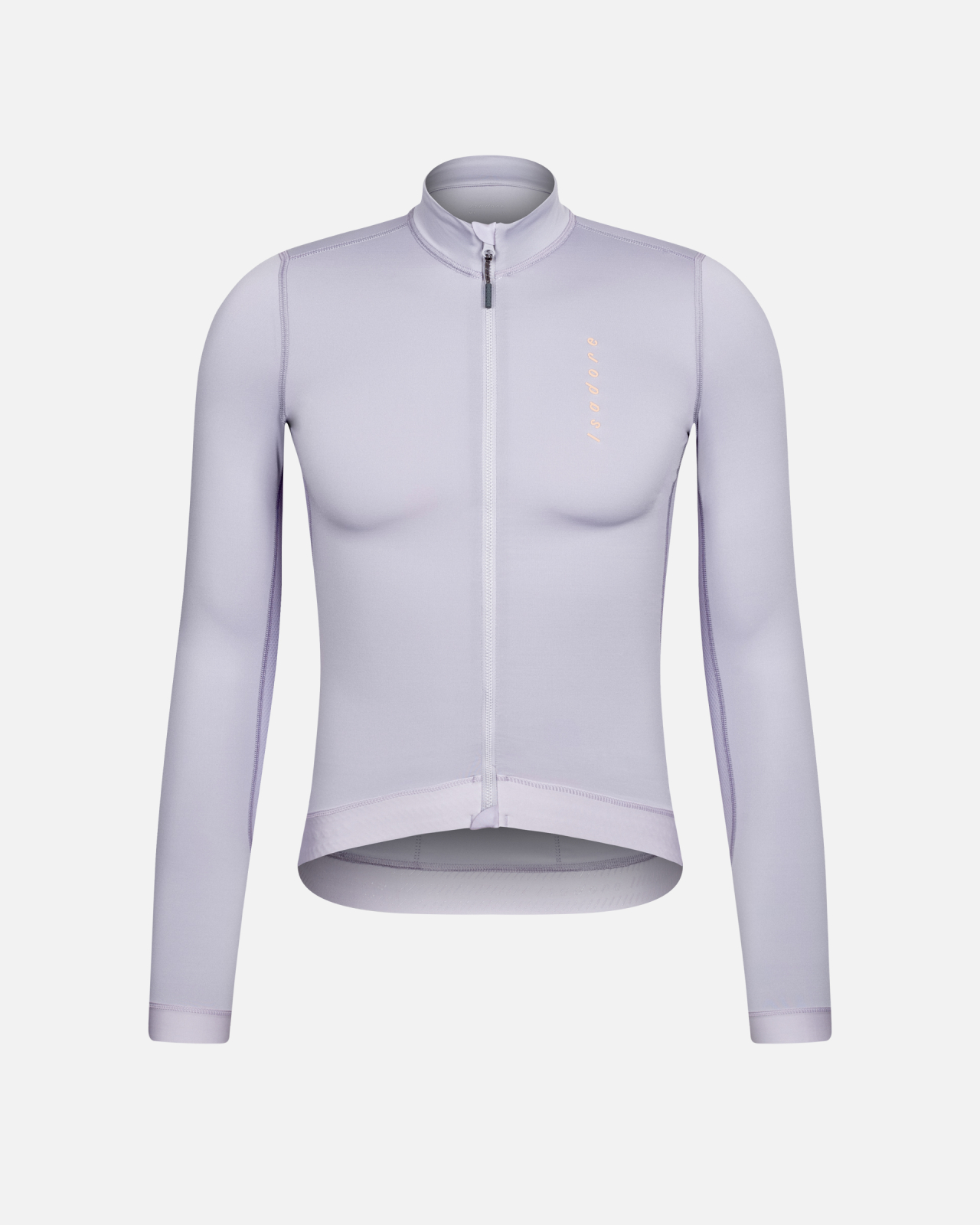
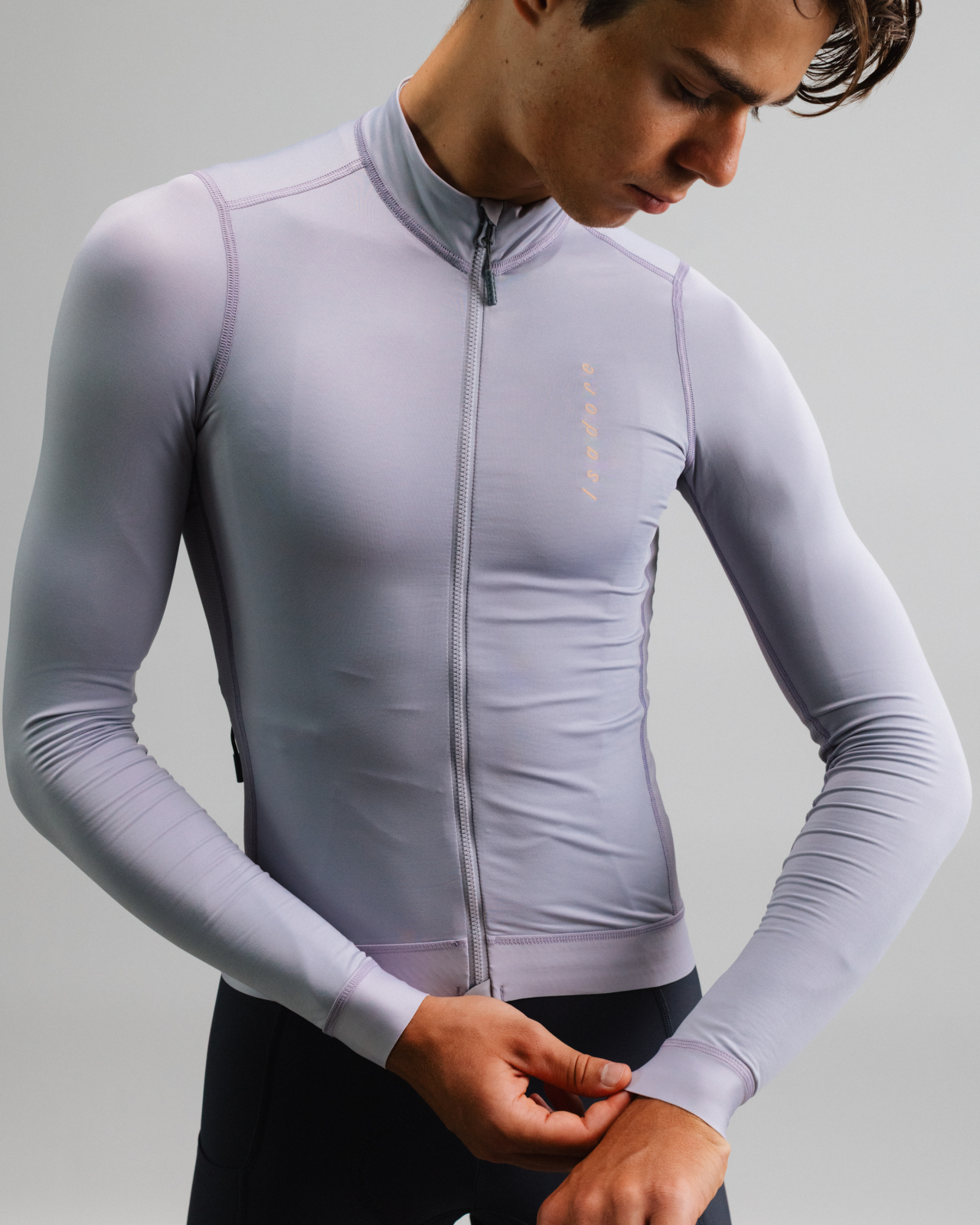
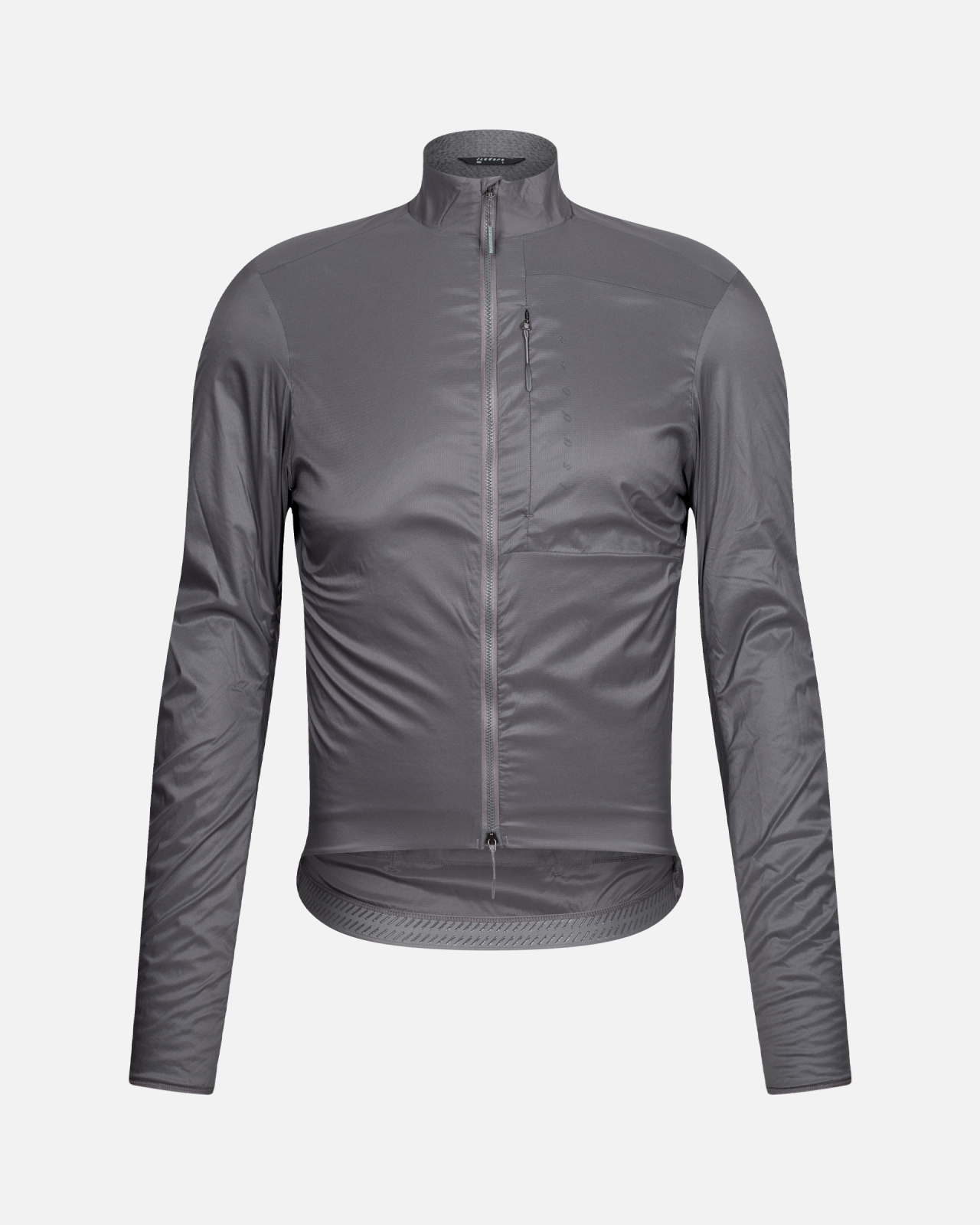
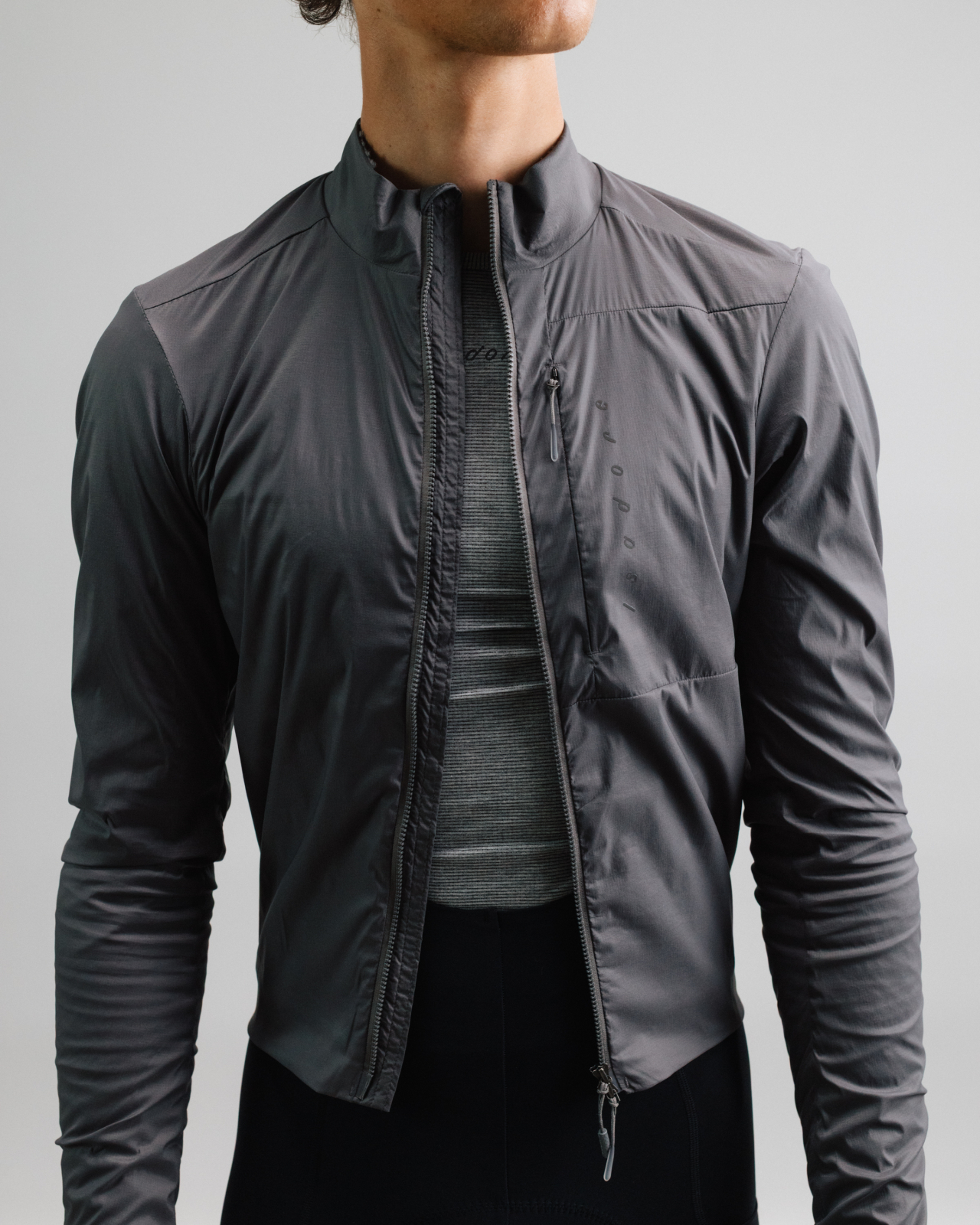

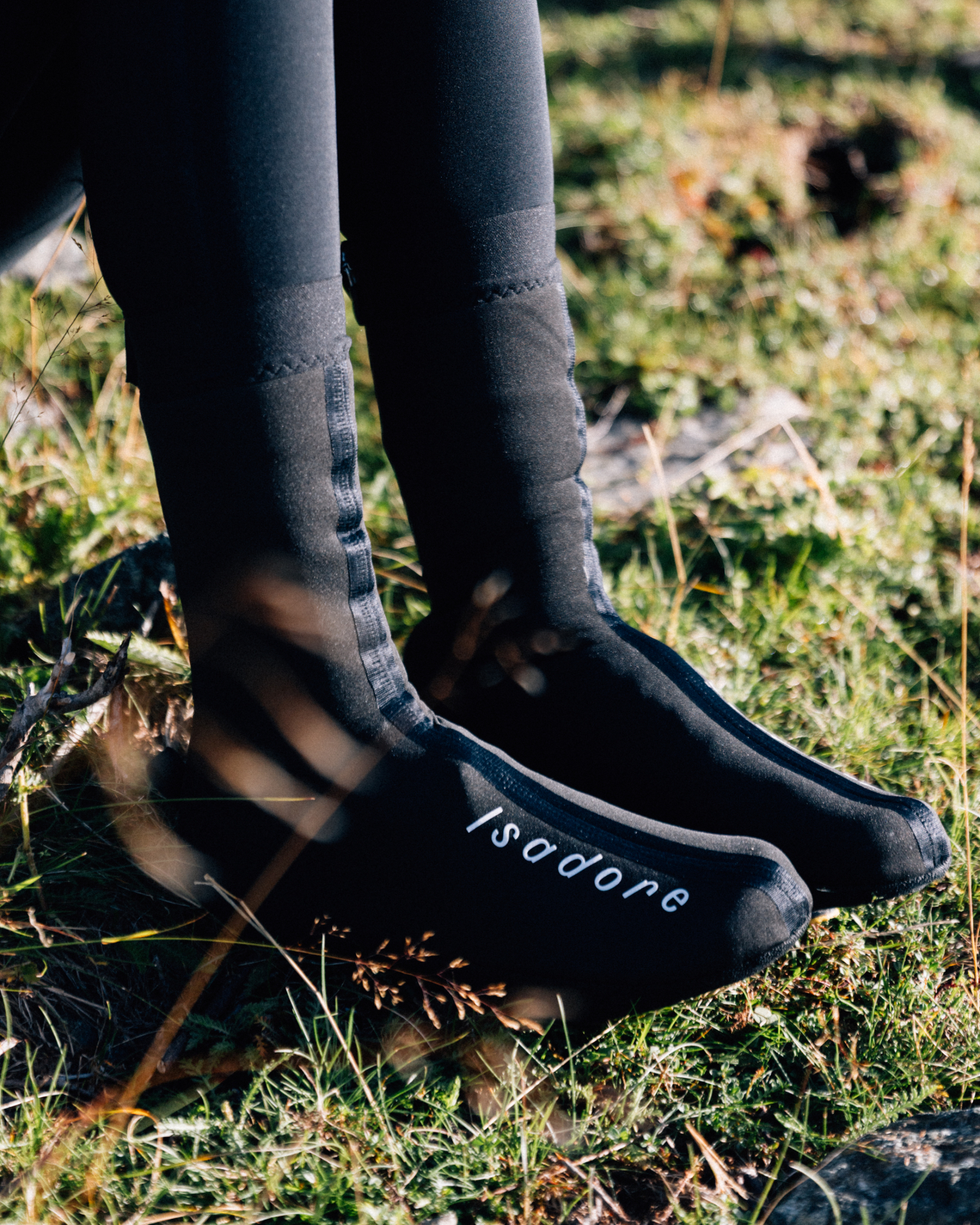


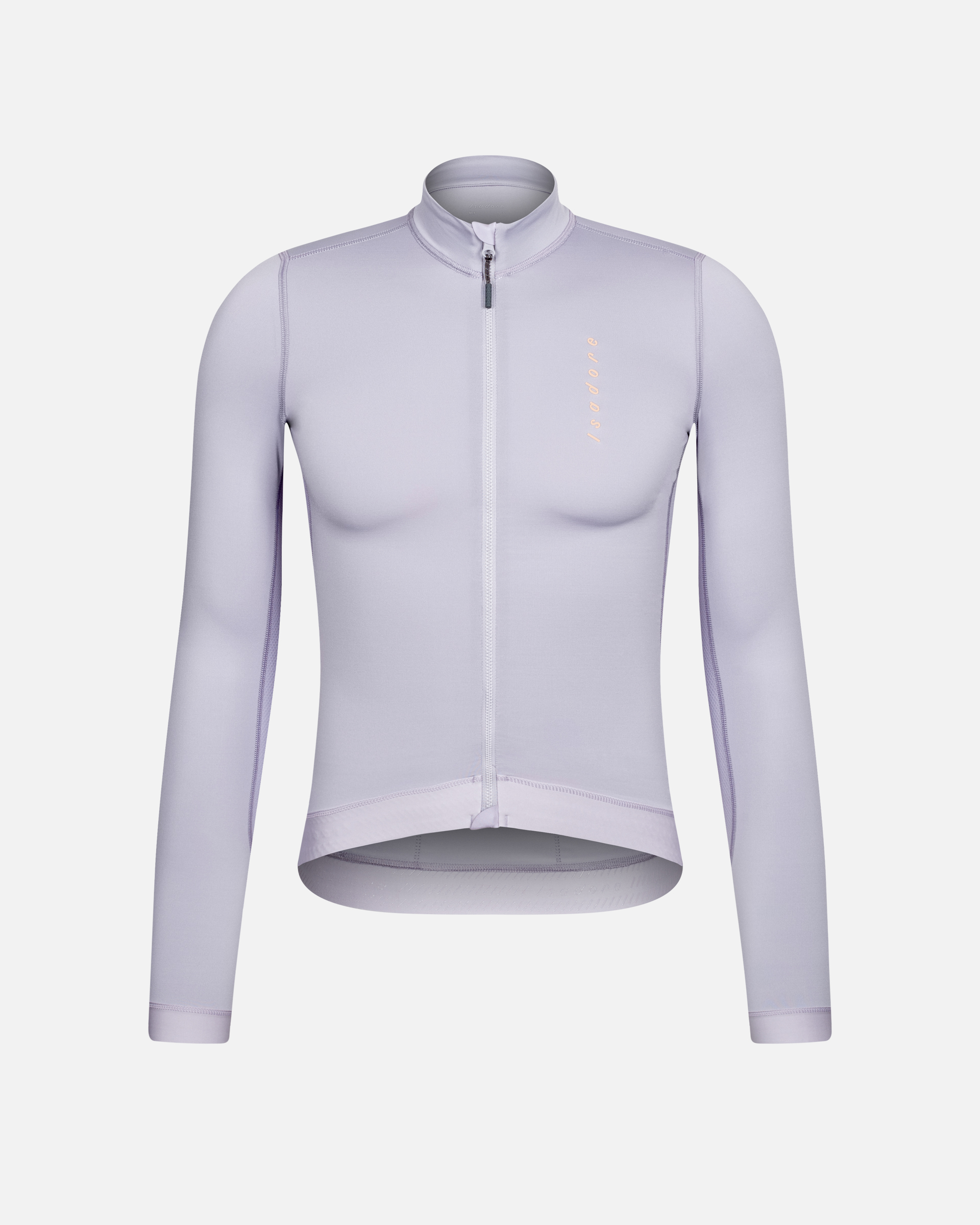
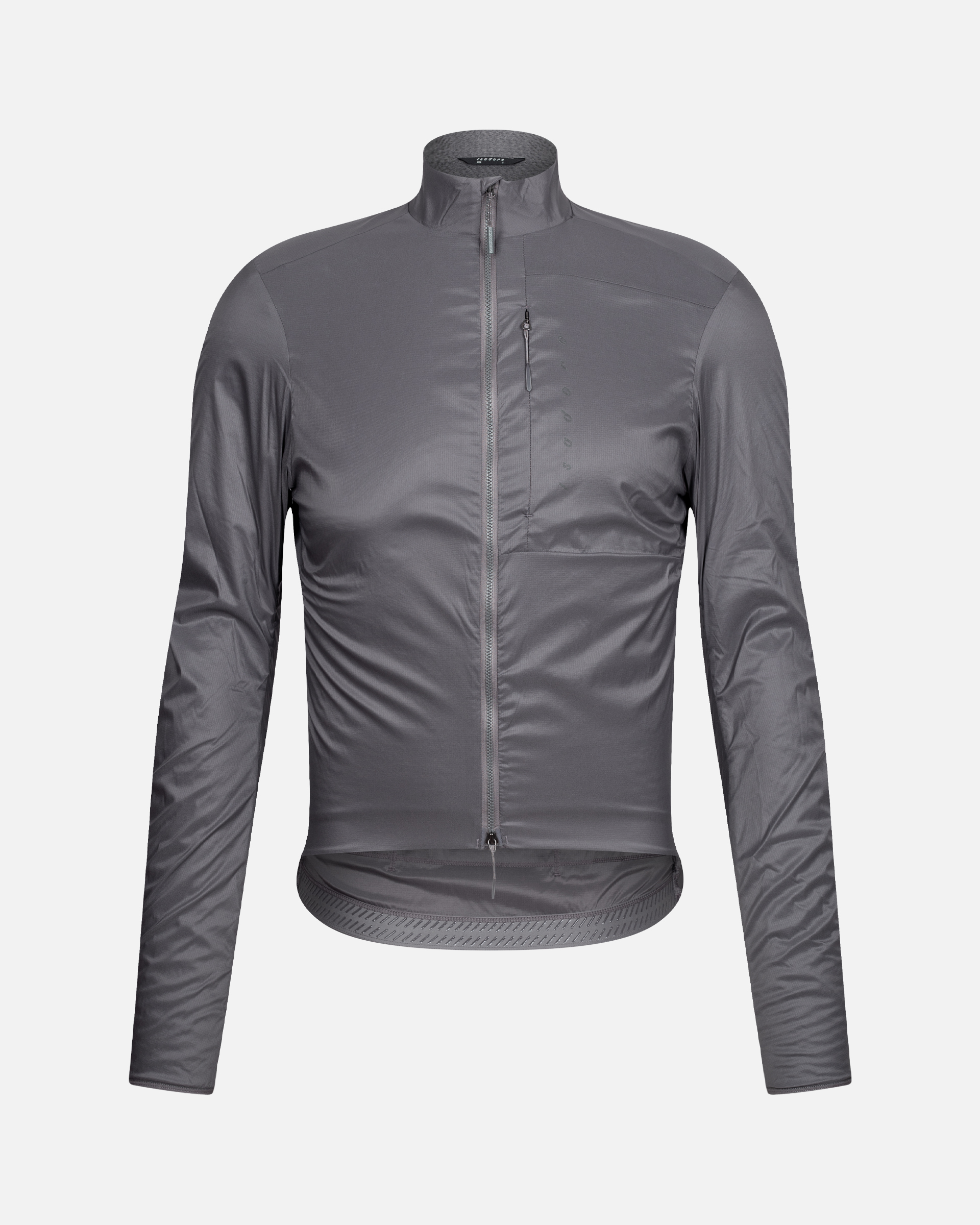


In deep winter, choosing the right baselayer is essential for maintaining a comfortable core temperature. Layer up to balance warmth, breathability and ventilation, while paying extra attention to your extremities. Fingers, toes, ears and forehead are particularly vulnerable to the cold. If you stop for a coffee or snack, give your outer layers a chance to dry before heading off again. This will help prevent a sudden chill when you get back on the bike.



Wet Deep winter
-5° to +5°C
Weather
Cold, damp and unpredictable conditions, with temperatures hovering around freezing. Expect rain, sleet, wet snow and chilly winds that make the cold feel even more intense. Staying warm becomes particularly challenging when moisture enters the equation, making protection from wind and water essential.
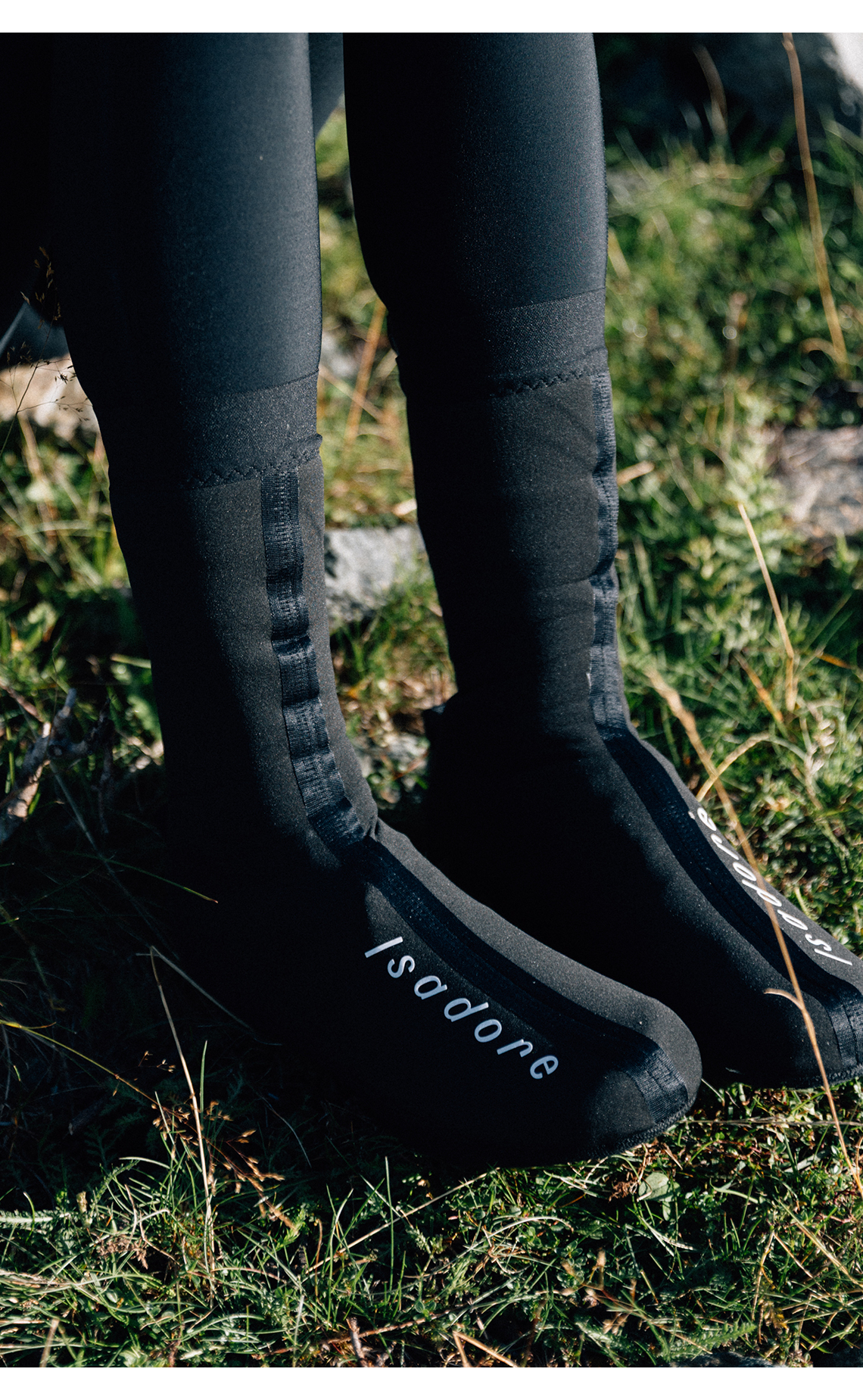
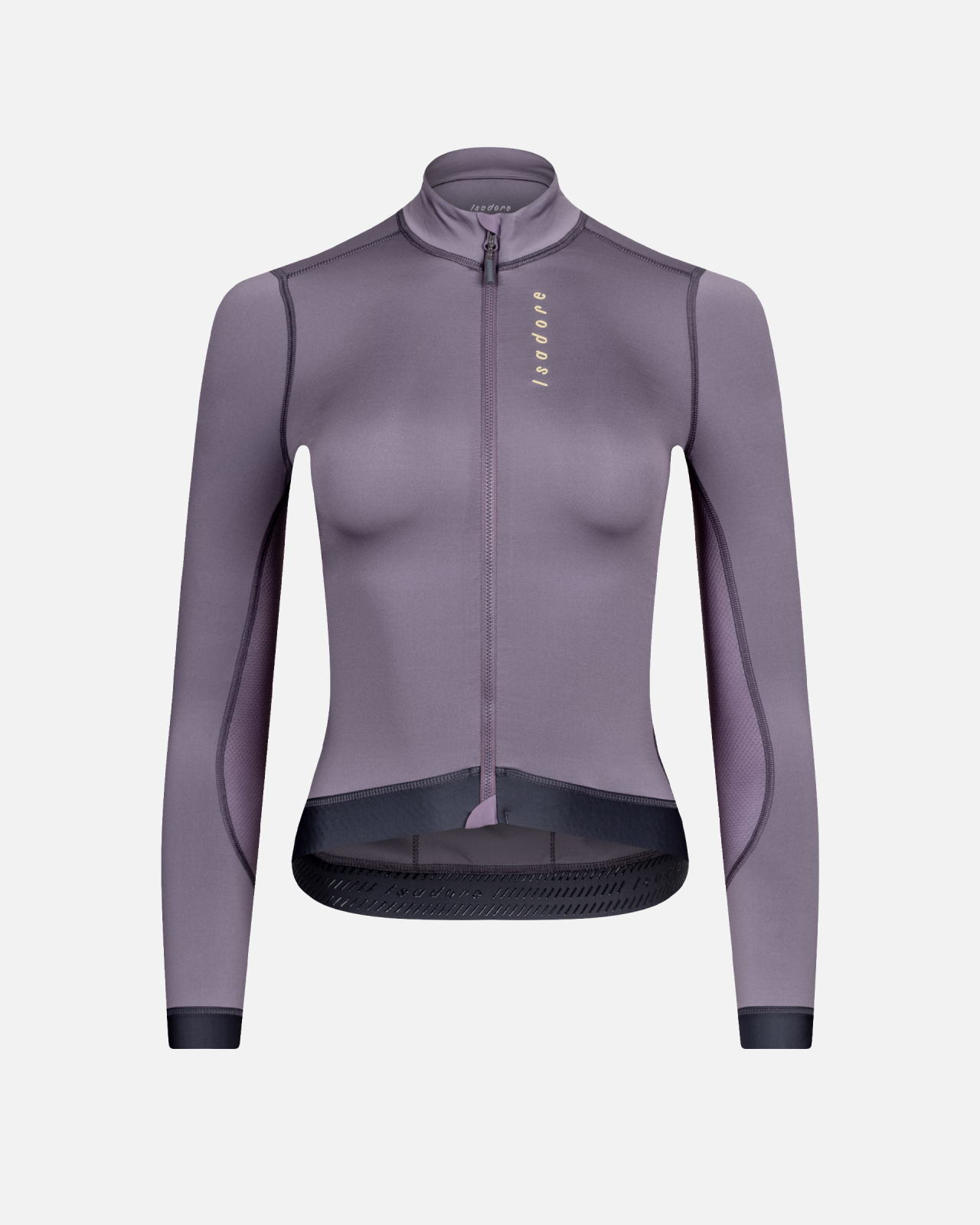
In wet deep winter conditions, keeping water out and your core warm is the priority. Start with a baselayer that effectively manages moisture, then add insulating and weather-protective layers to shield yourself from rain, wind and wet snow. Pay extra attention to your extremities, especially fingers and toes, which are particularly vulnerable when wet. Make sure you can ventilate to avoid excessive sweating, as moisture trapped inside your clothing can leave you just as cold as rain getting in.
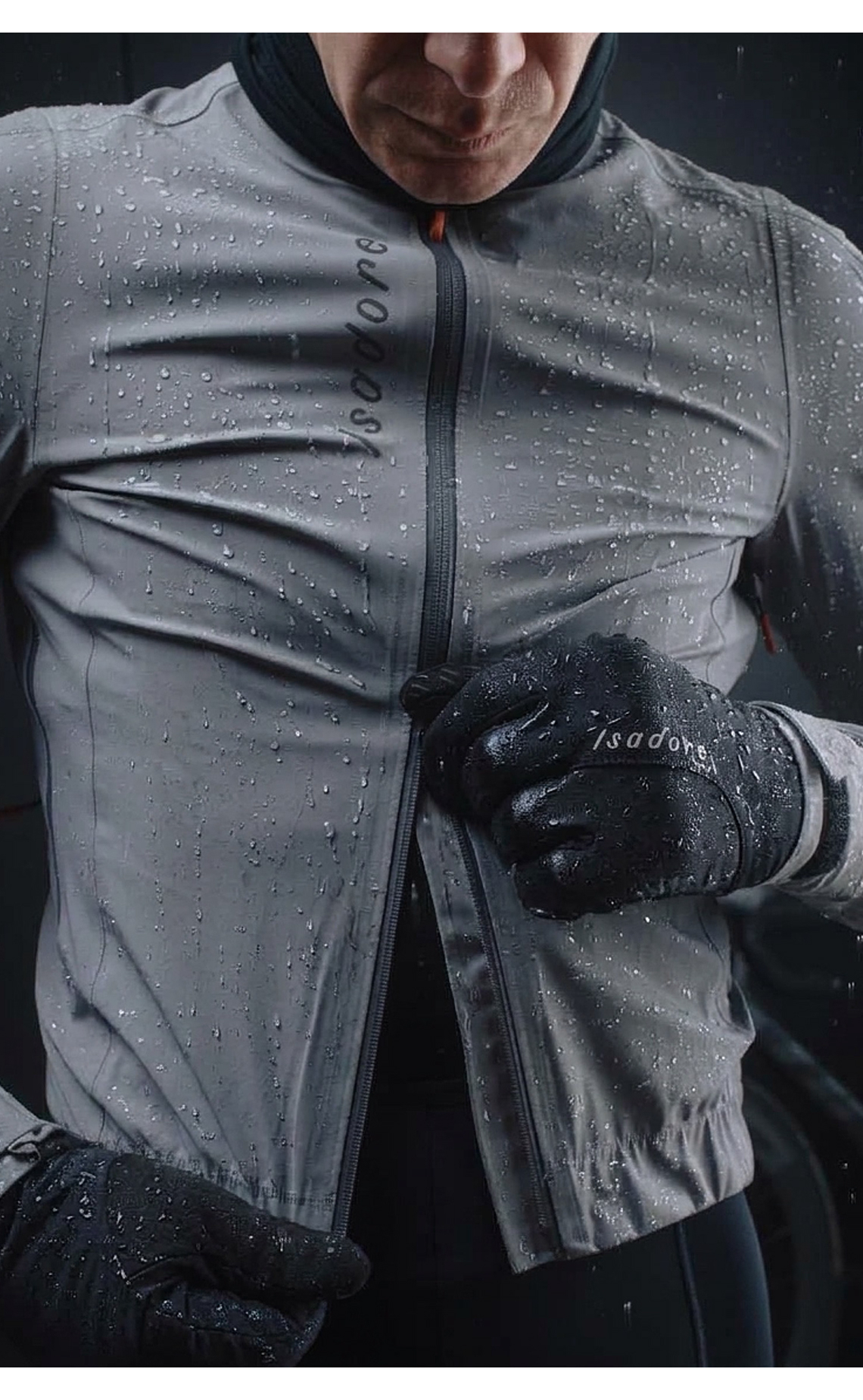


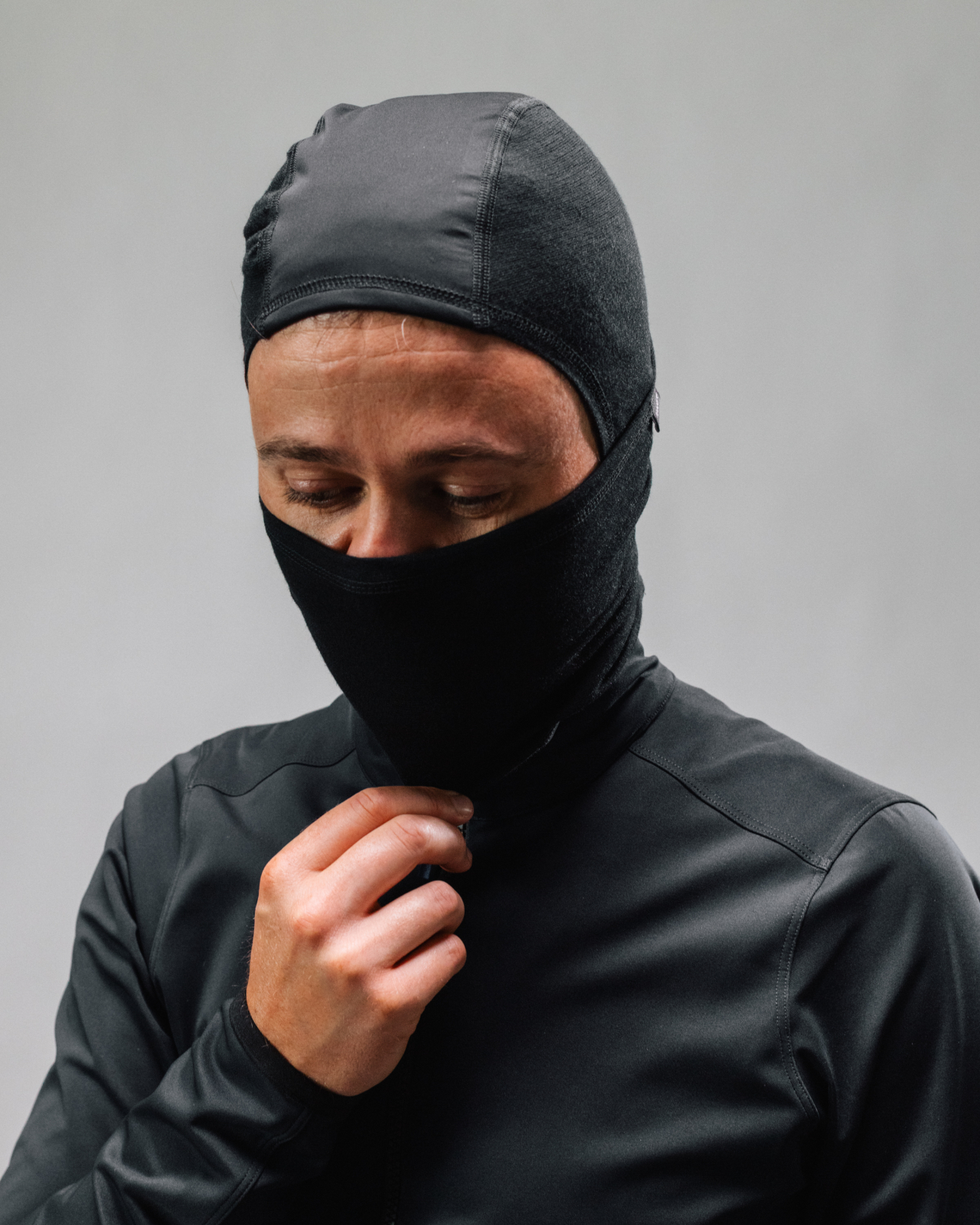


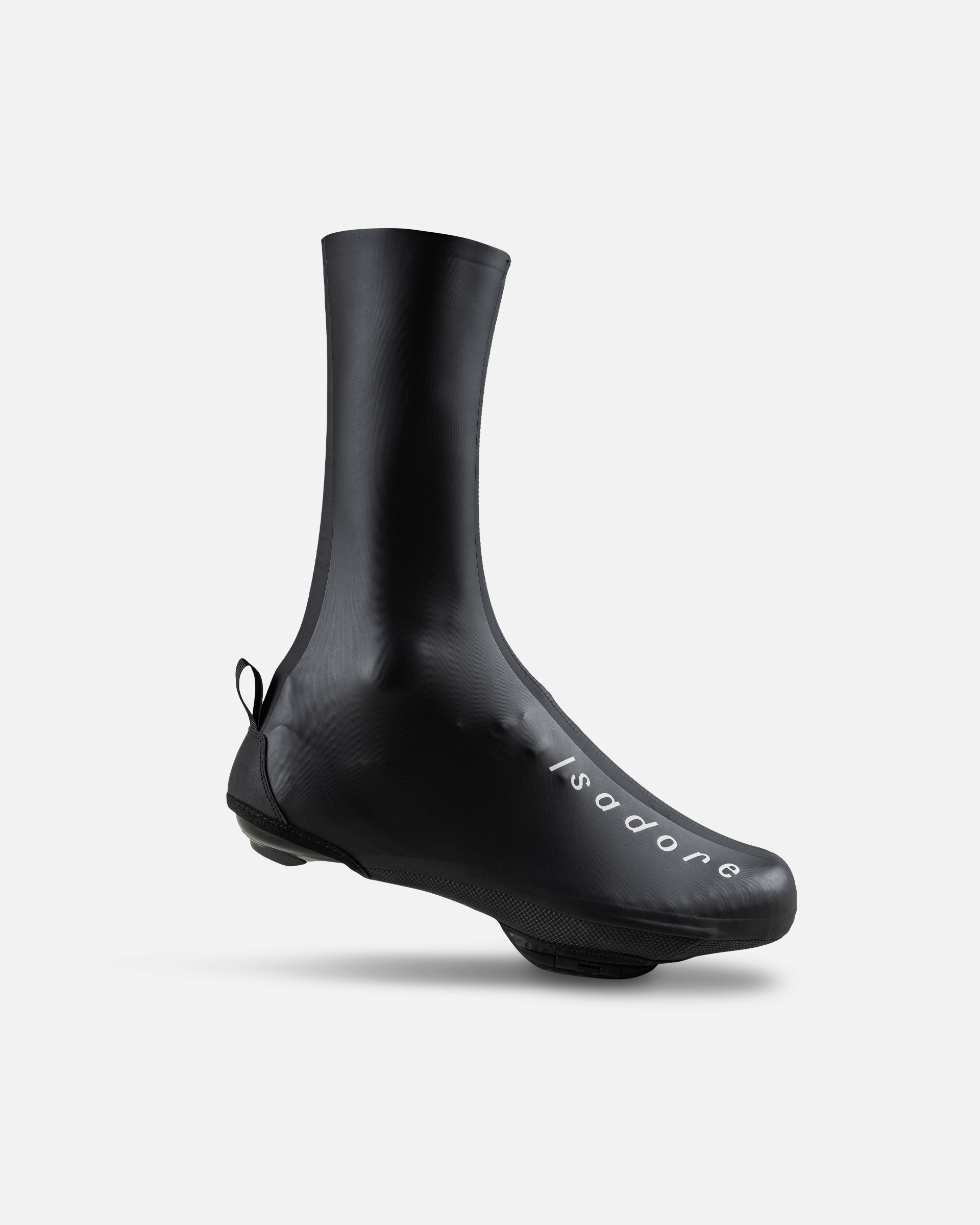

In wet deep winter conditions, keeping water out and your core warm is the priority. Start with a baselayer that effectively manages moisture, then add insulating and weather-protective layers to shield yourself from rain, wind and wet snow. Pay extra attention to your extremities, especially fingers and toes, which are particularly vulnerable when wet. Make sure you can ventilate to avoid excessive sweating, as moisture trapped inside your clothing can leave you just as cold as rain getting in.


Proven three-layer system

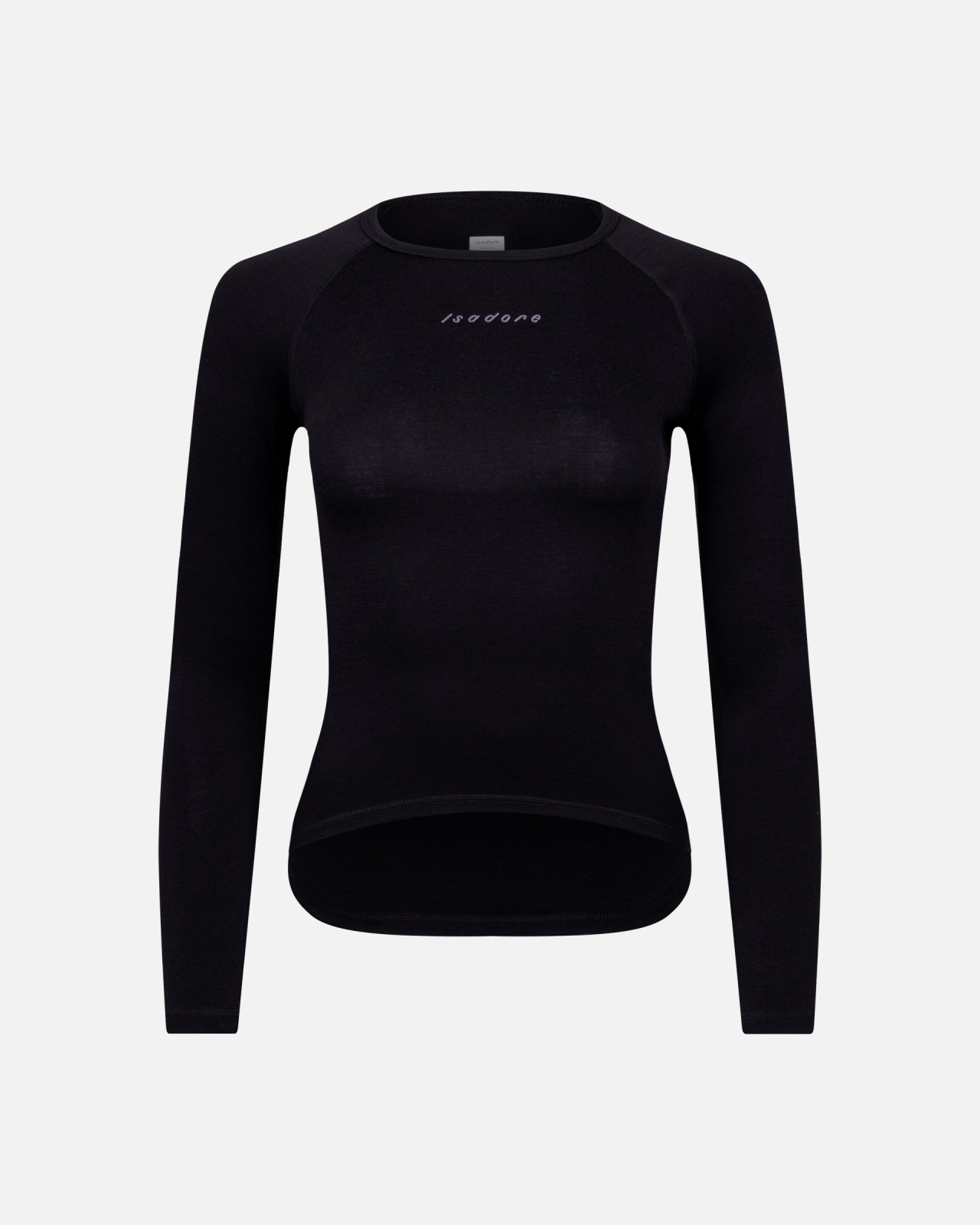
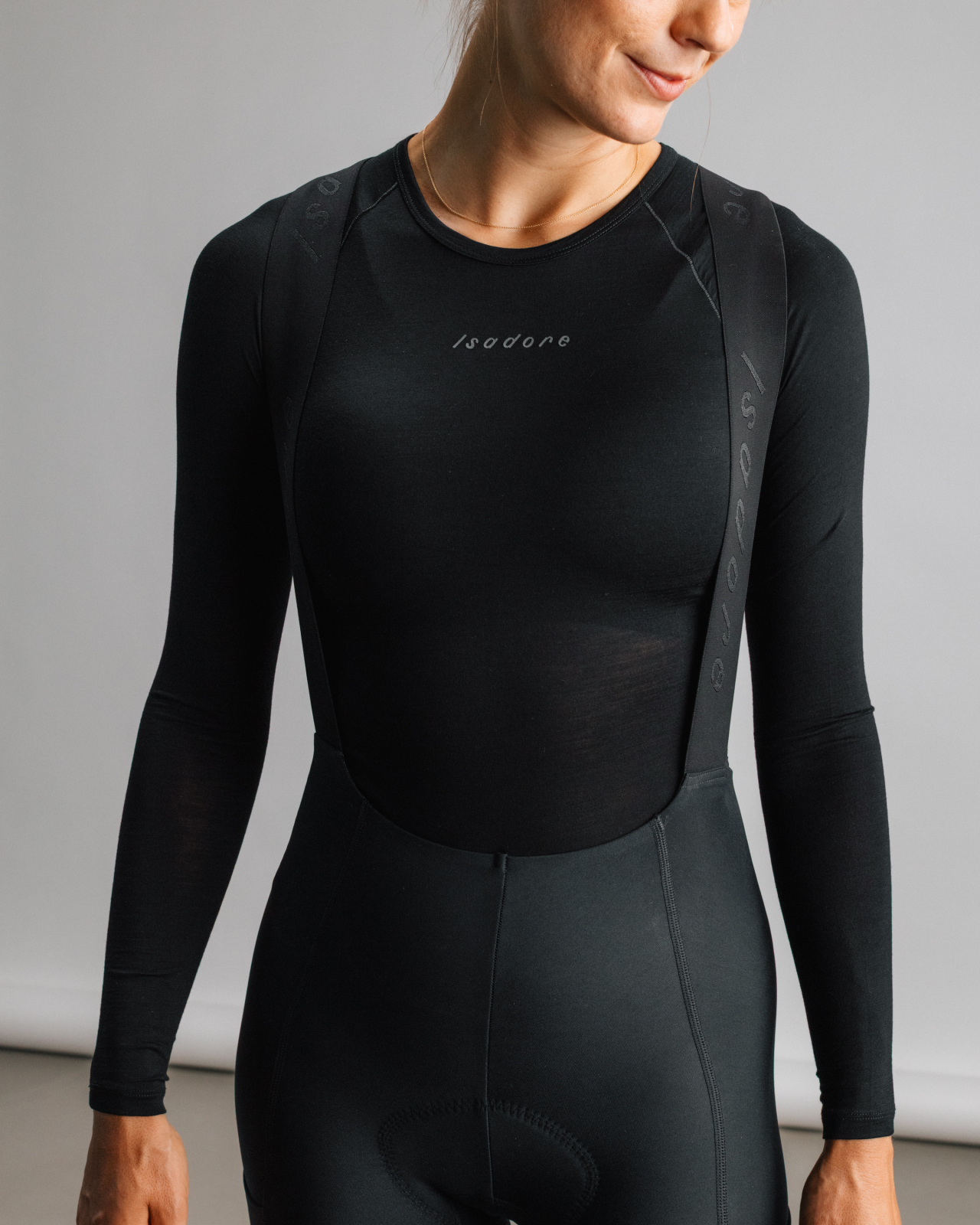
Base layer
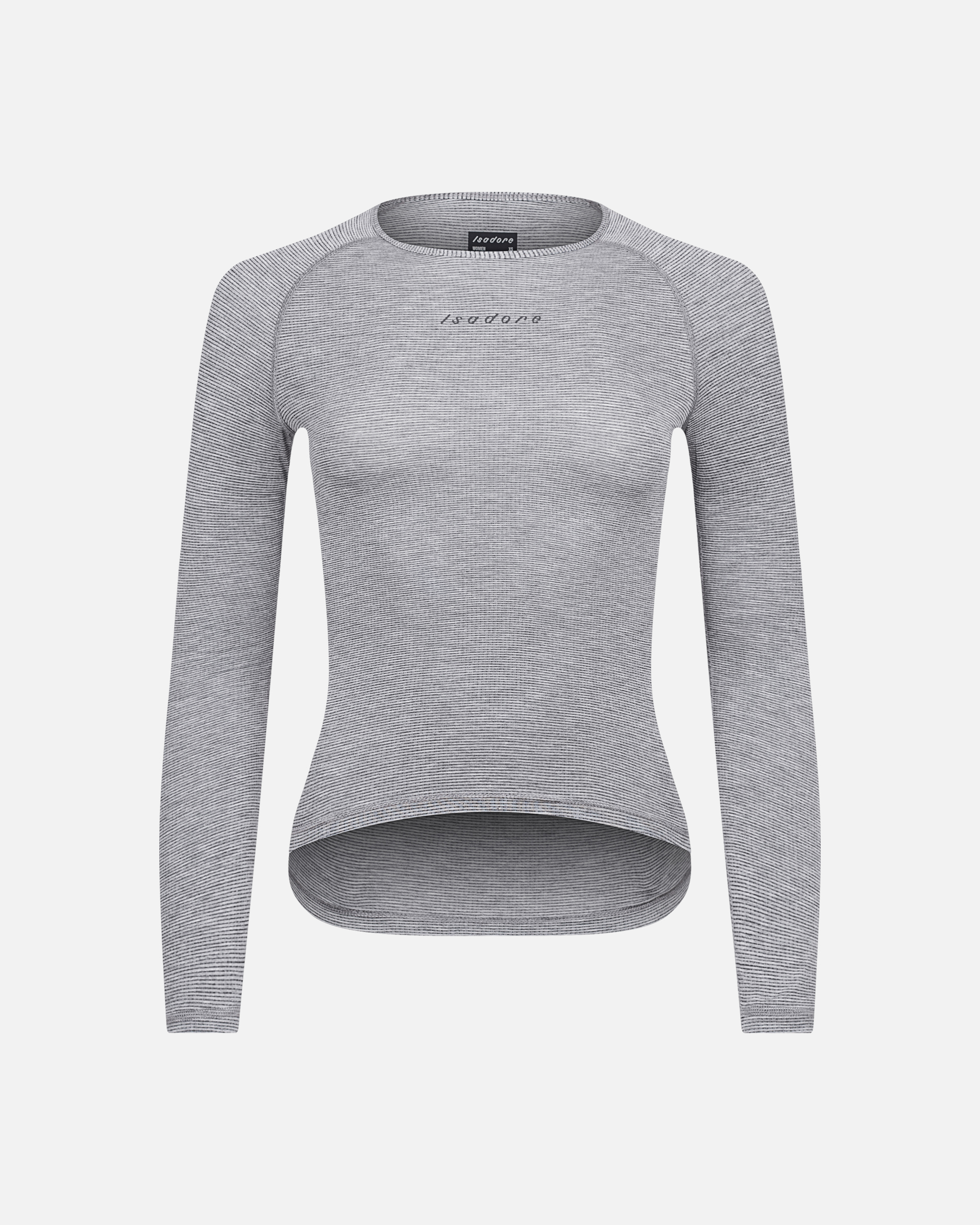
It protects against the cold and pleasantly warms you, effectively wicking moisture away from the skin. You will experience the basic functions of the first layer literally on your skin’s outer layer. Maximize your comfort without restricting your movement thanks to the base layers made of wide range of merino wool and functional synthetic materials.

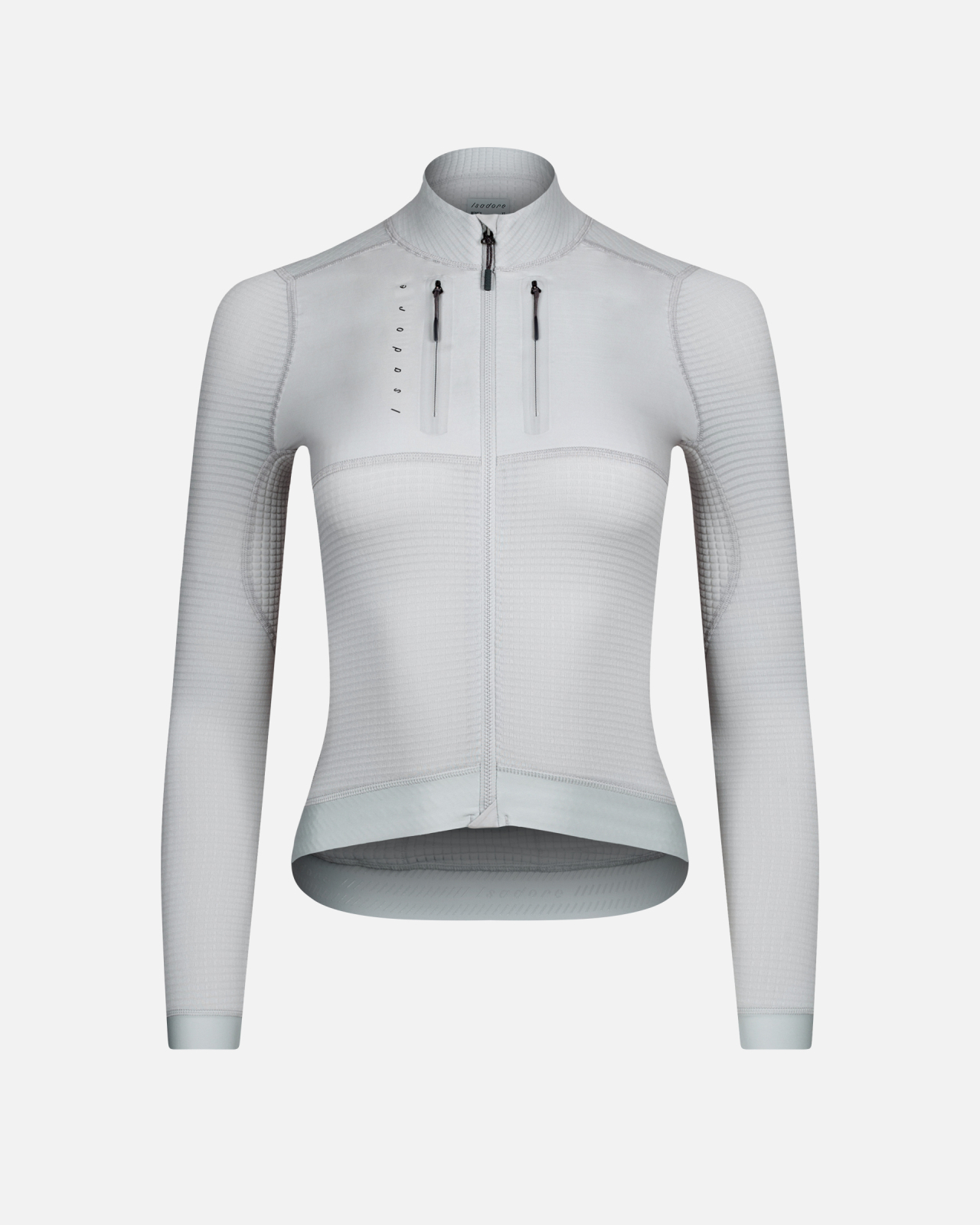
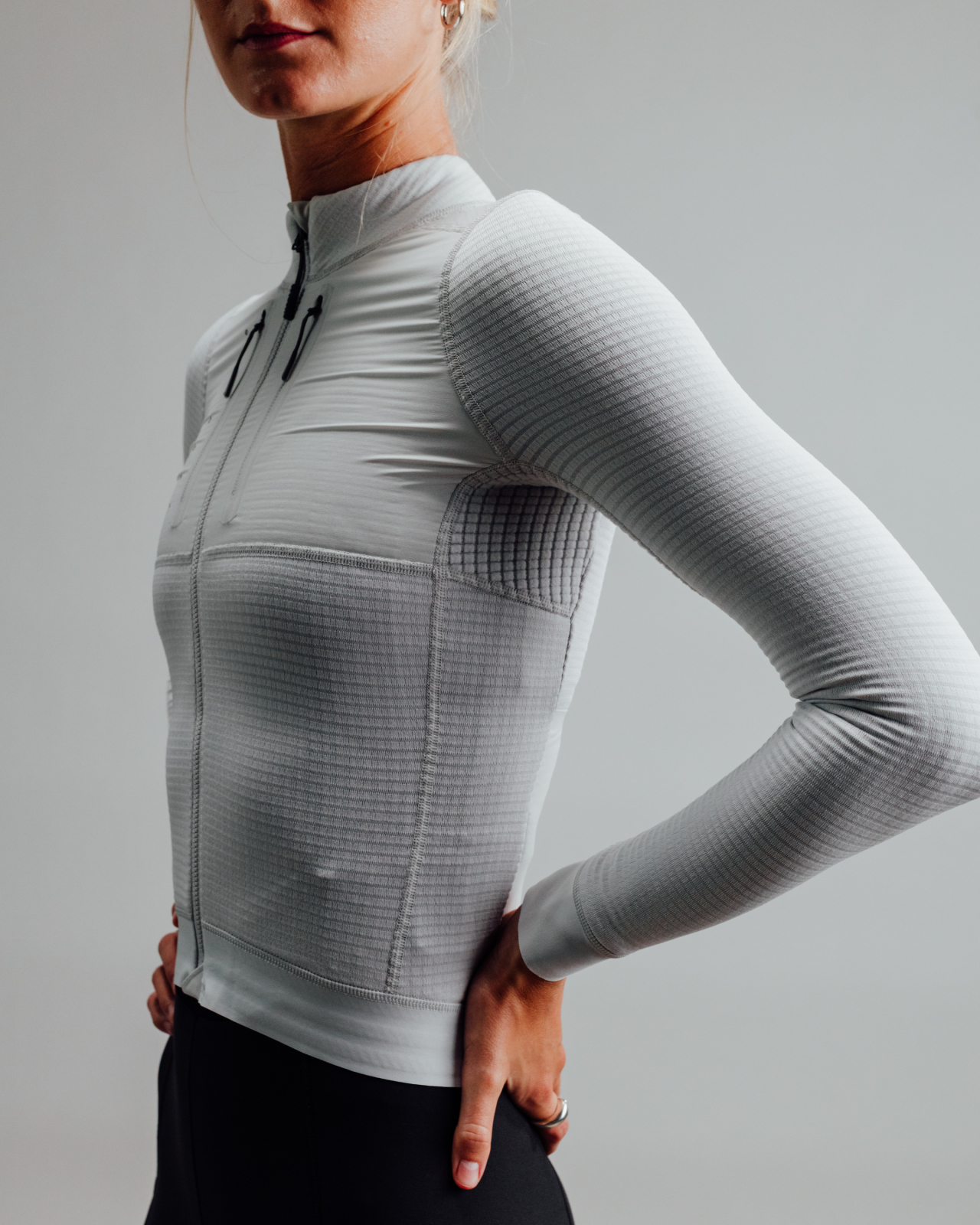
Mid layer
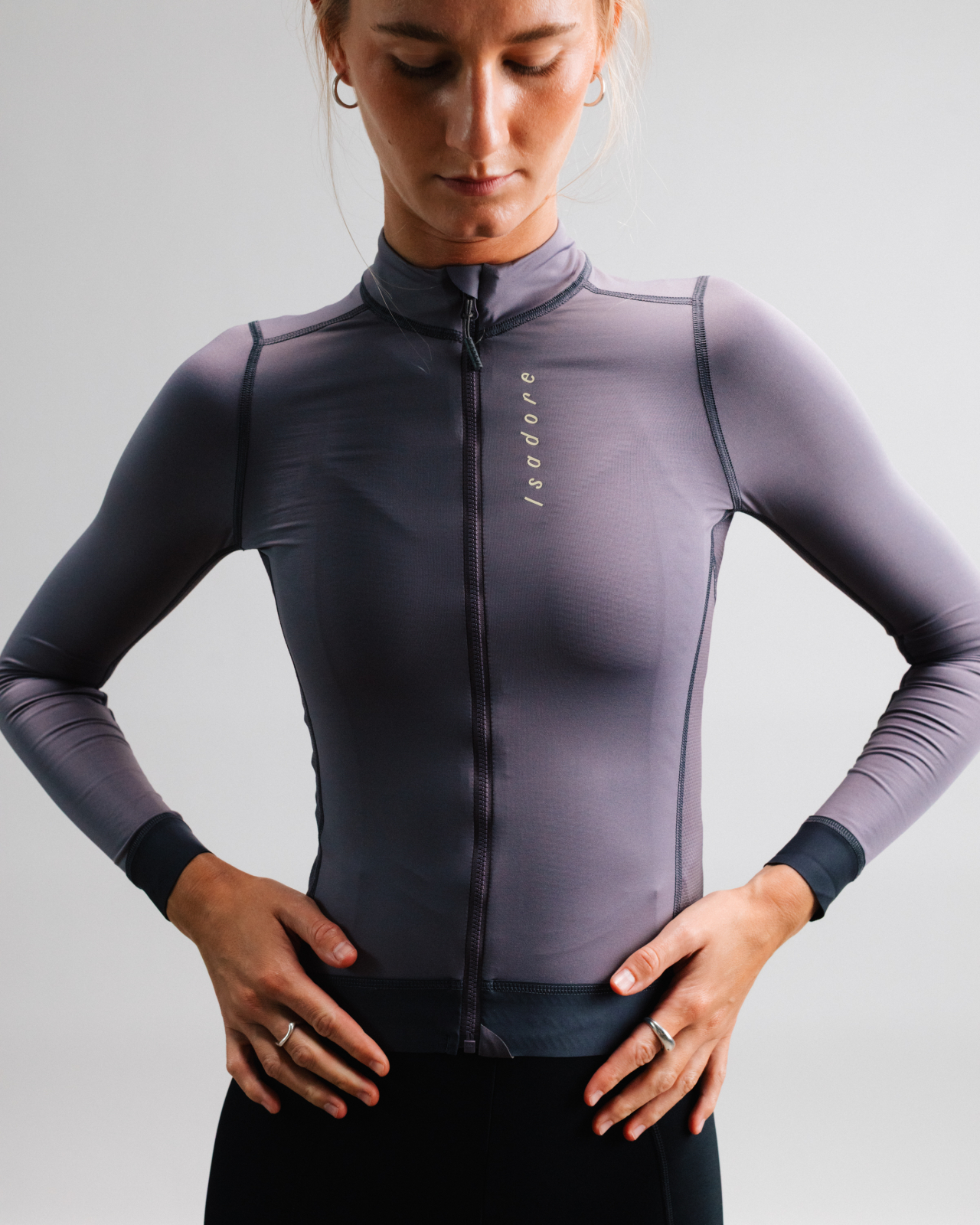
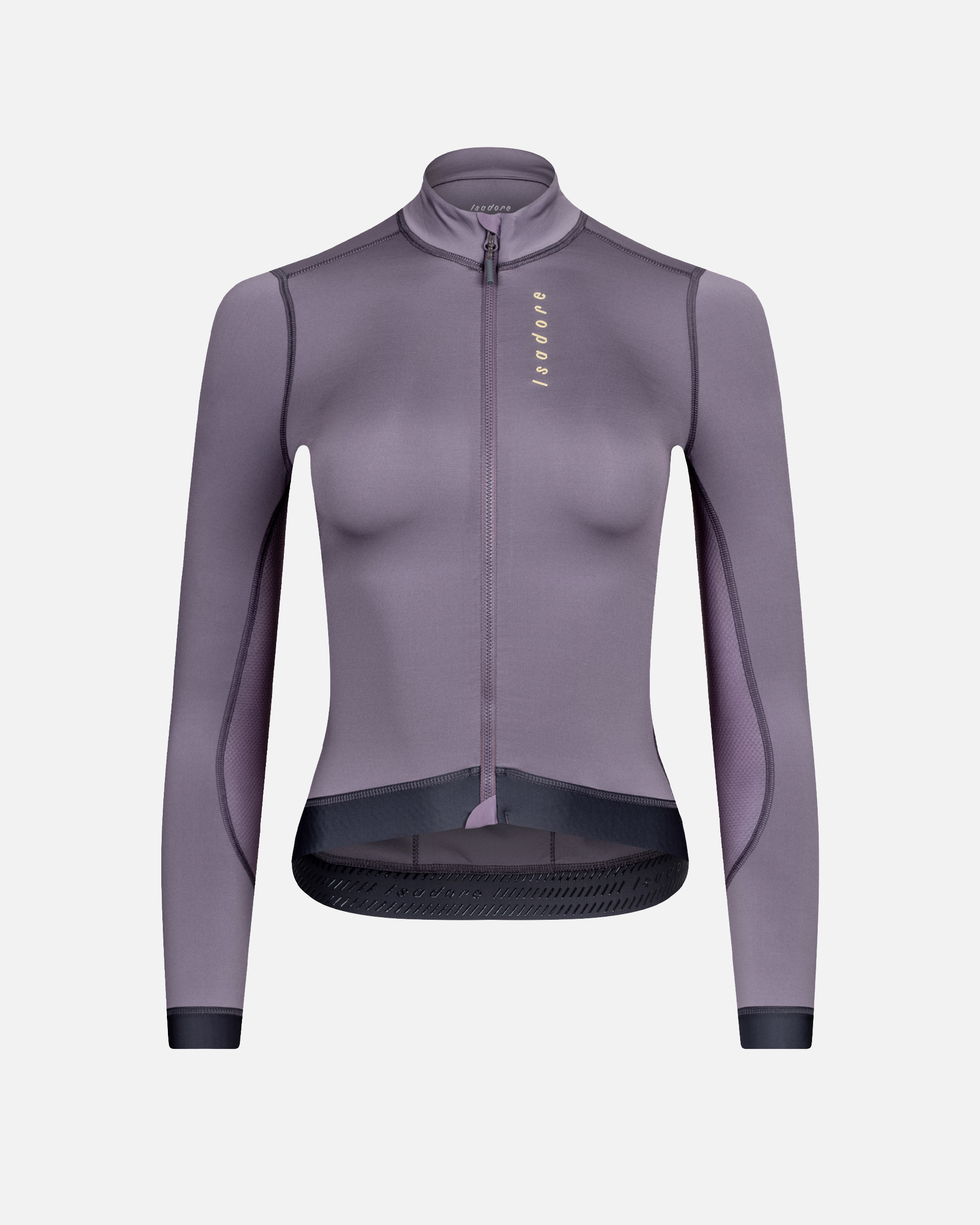
Your favorite summer jersey in sub-zero weather conditions may no longer be sufficient protection against the cold. Moreover, an insulated winter jersey worn in spring acts as a “vest with weights” on performance. Mid layer has an insulating function, but it is important that it is breathable and does not accumulate unnecessary moisture.

Outer layer
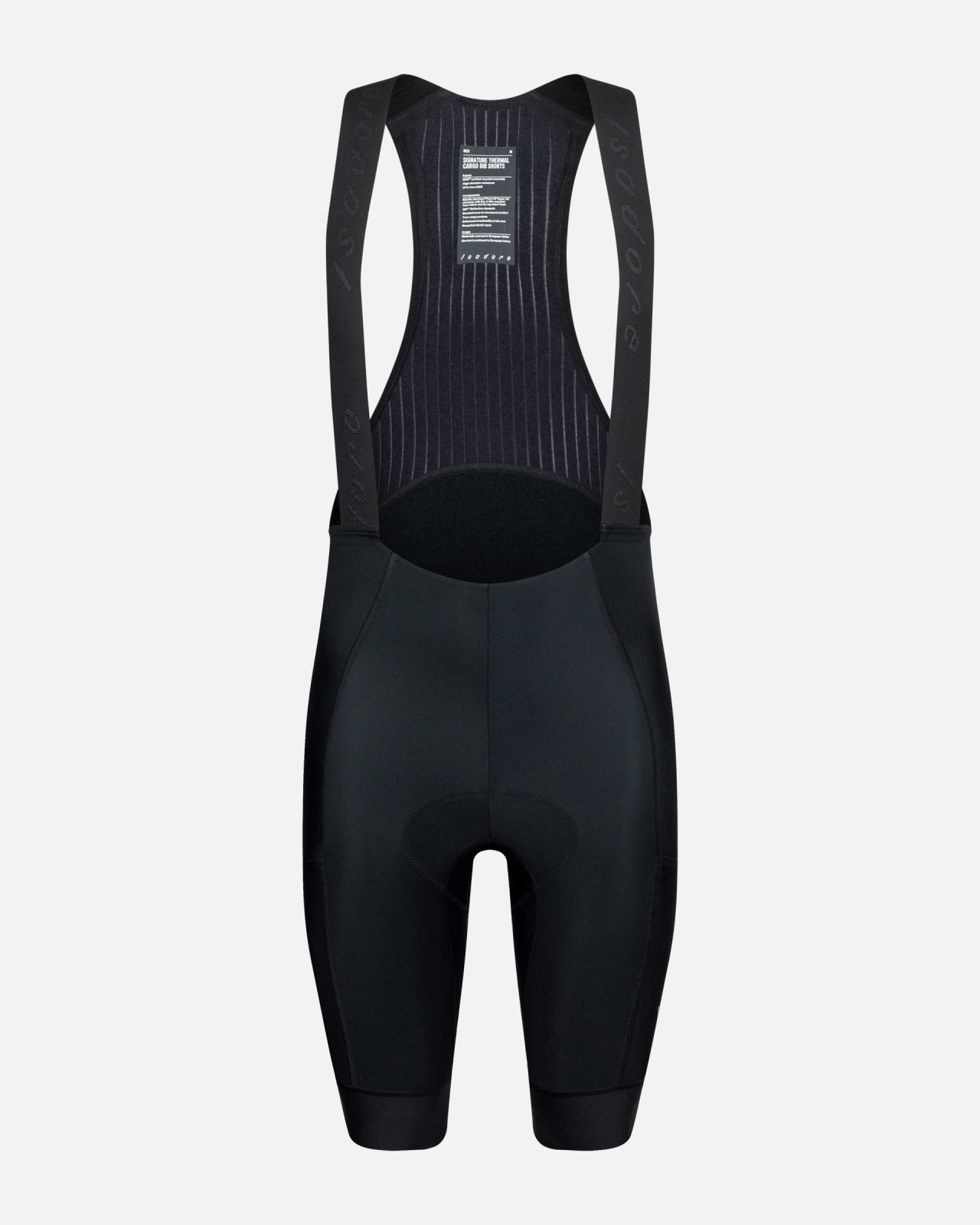
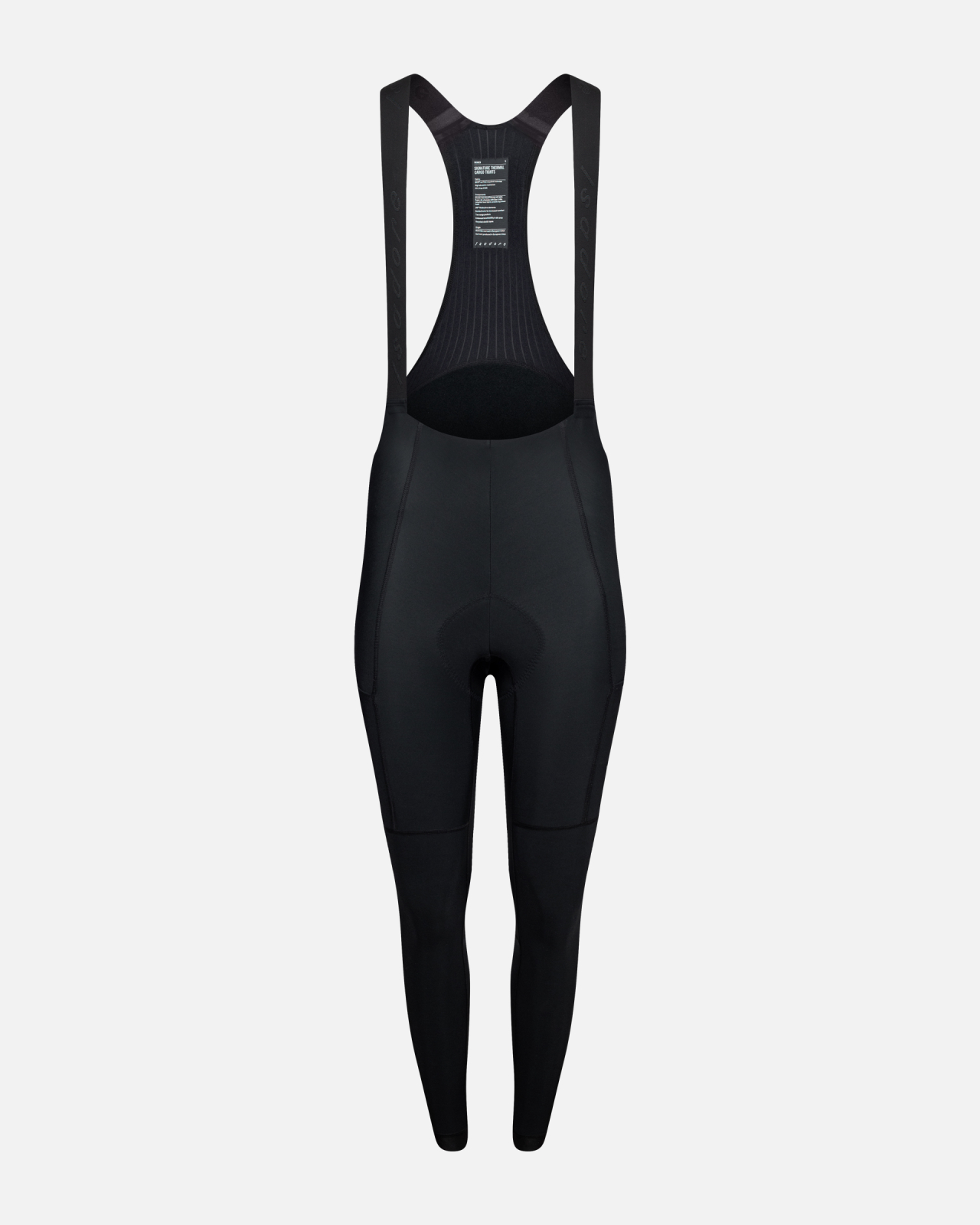
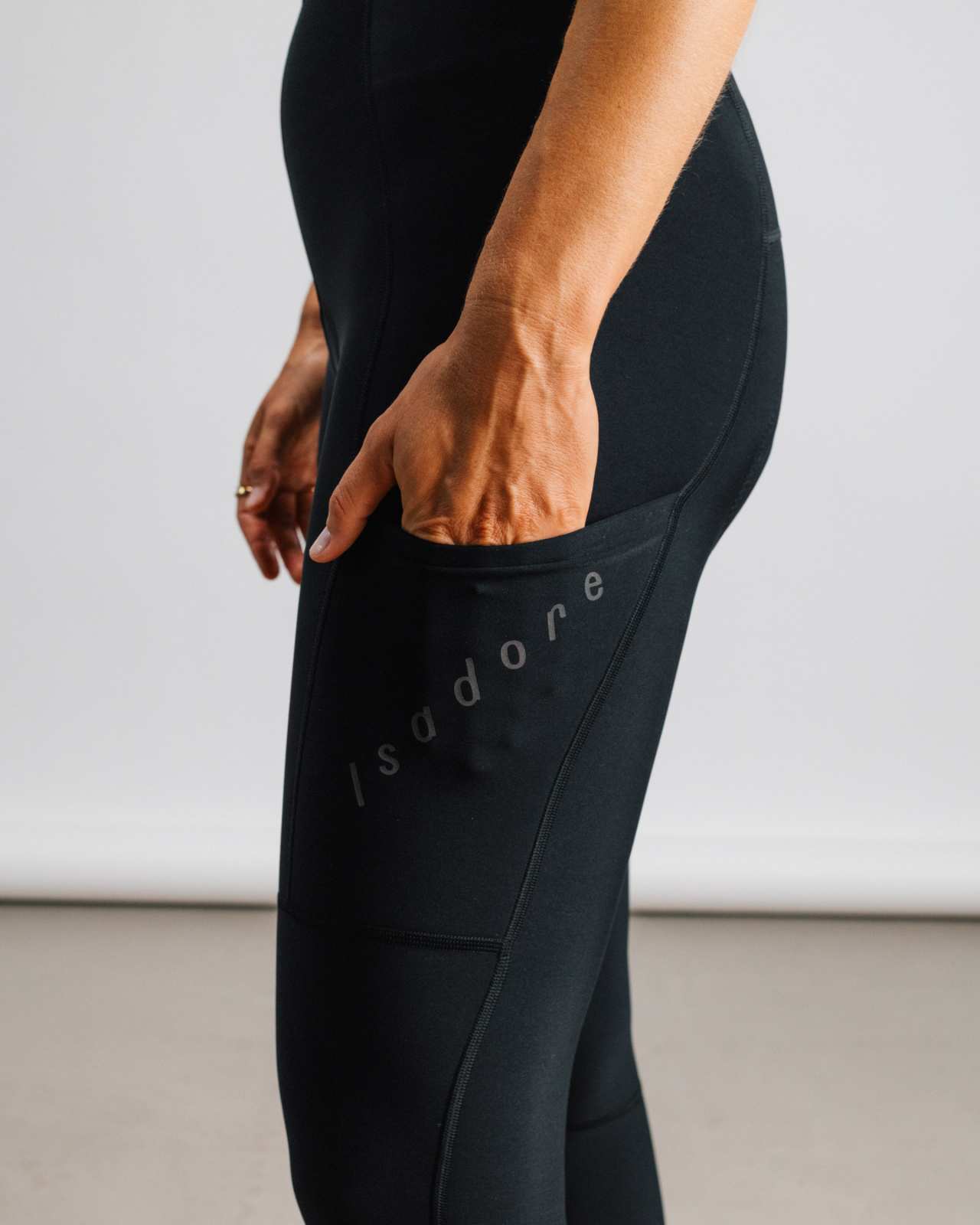
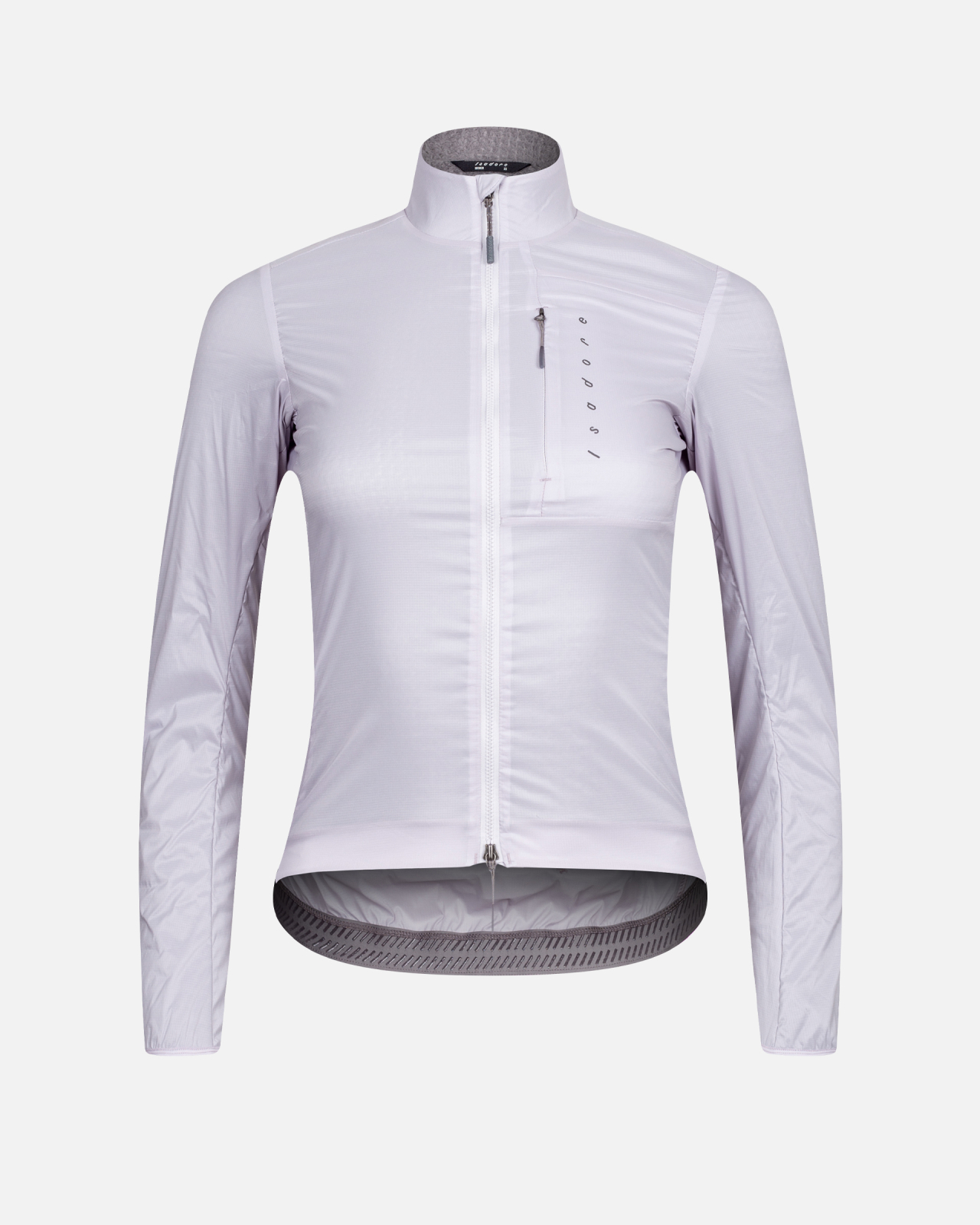
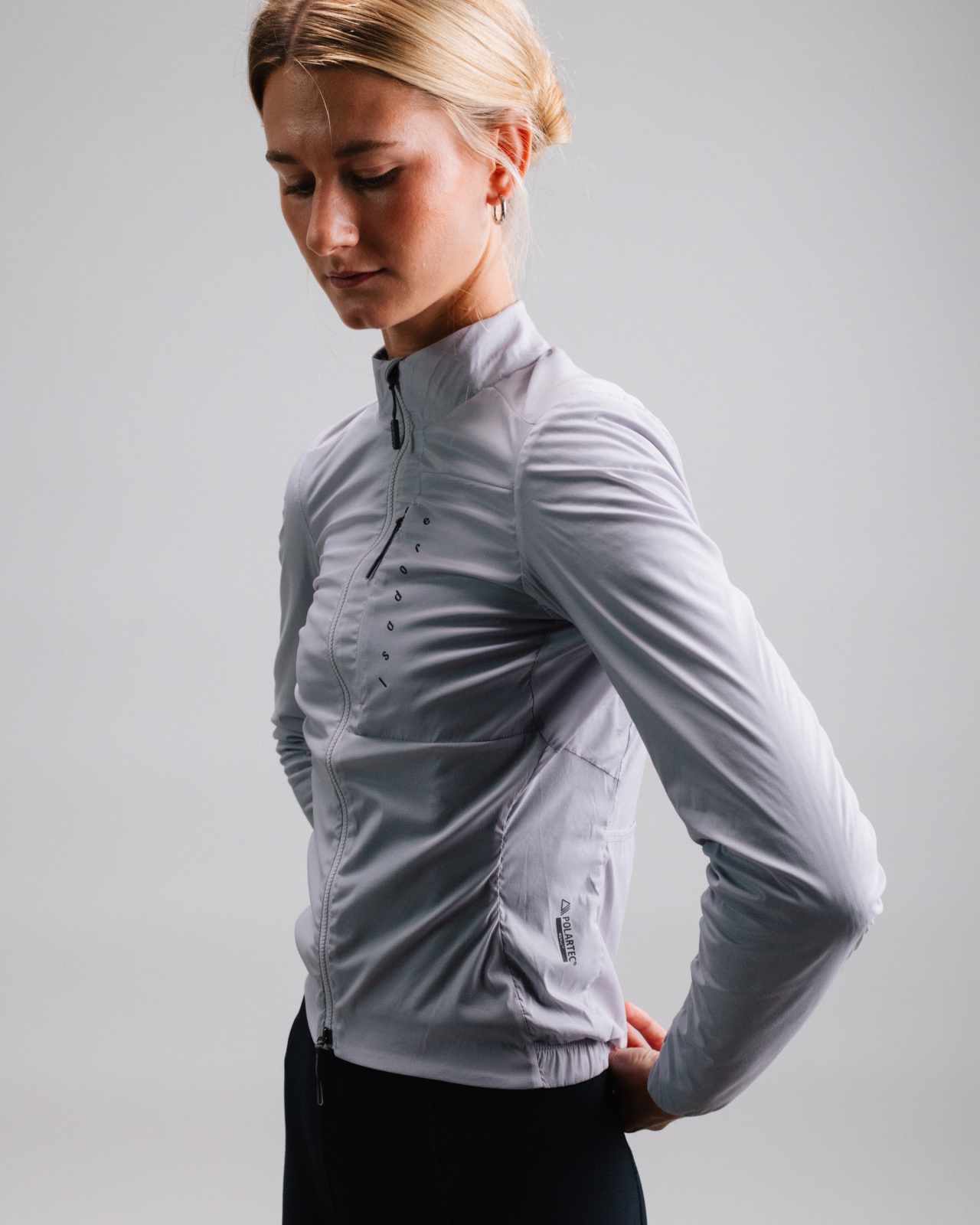
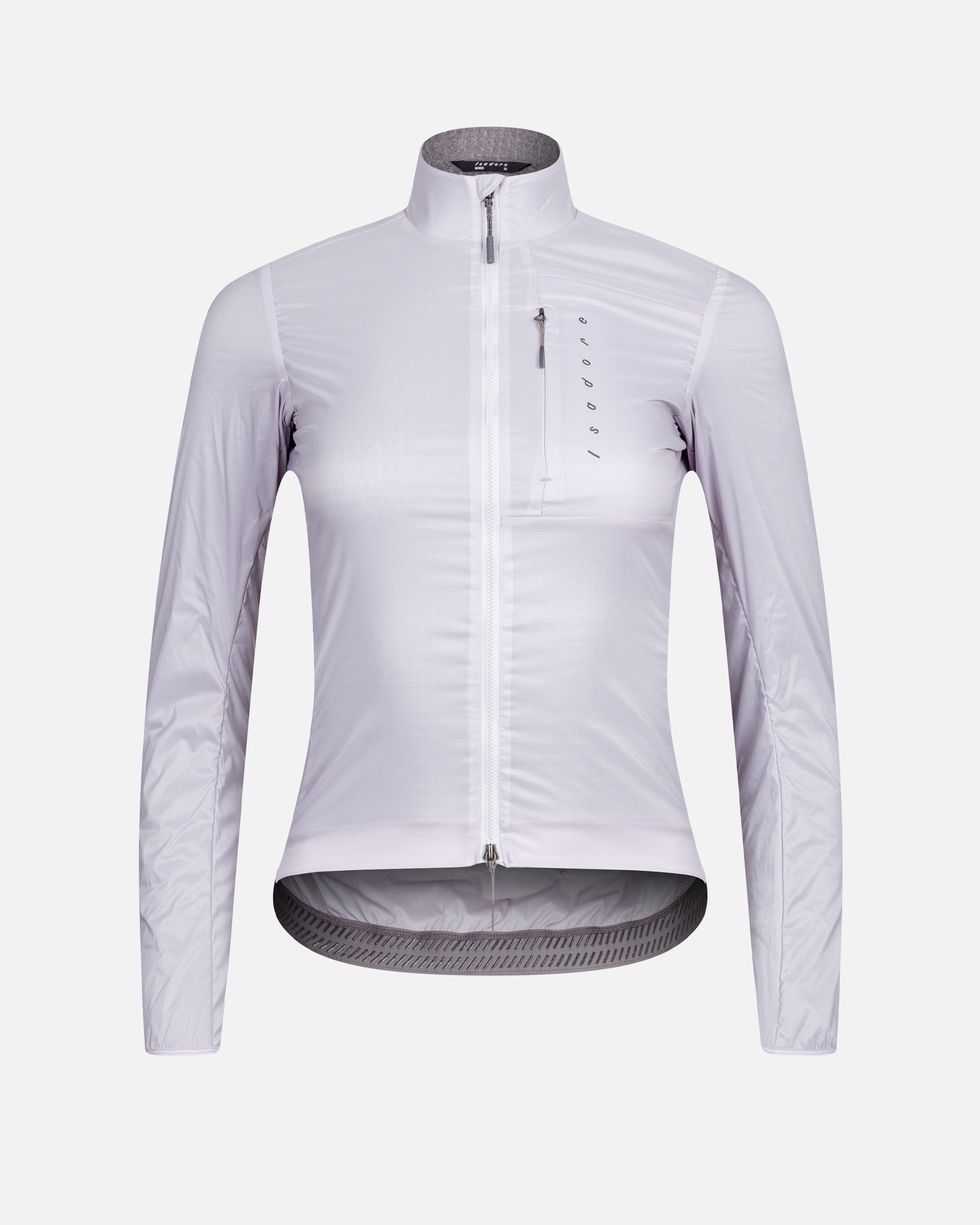
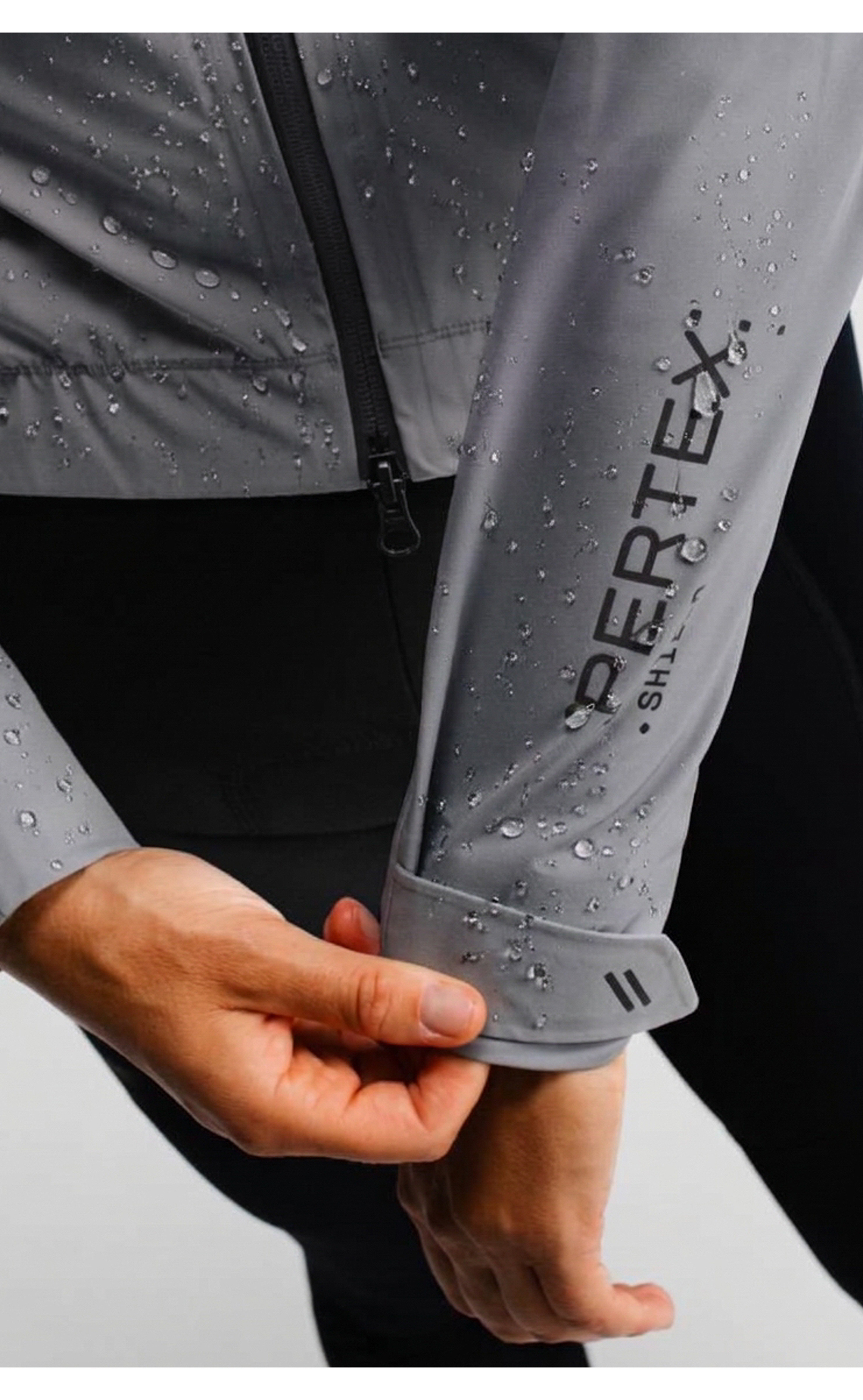
Outer layer is the front line in the battle with the elements. Whether you're hitting the road on sunny but frosty days or are expecting rain and high winds, the well chosen outer layer is the key to a comfortable ride. A lightweight windproof vest, bibs and packable warmers or an insulated jacket with a Polartec insulation layer and trousers made from membrane material? Adapt your outer layer in line with the conditions and style of your ride.


